The Indonesian government is actively engaged in deliberations to finalize the remuneration scheme for an estimated 30,000 managers designated for the ambitious Merah Putih Village Cooperatives (Kopdes Merah Putih) and an additional 5,476 managers for Merah Putih Fishermen Villages. This critical aspect of the program, designed to significantly bolster rural economic resilience and food security nationwide, remains under intense scrutiny as officials navigate the complexities of fair compensation, adherence to labor laws, and the overarching fiscal implications. Despite the immediate priority being the selection of highly qualified candidates possessing entrepreneurial spirit and robust networking capabilities, the specifics of salaries, including exact figures and payment mechanisms, have yet to be formally announced. Crucially, authorities have emphatically stated that the managers’ salaries will be sourced directly from the state budget, entirely separate from the substantial financing facilities—up to Rp3 billion per cooperative unit—earmarked for the operational development and physical infrastructure of these cooperatives.
Background and Strategic Imperative of Kopdes Merah Putih
The Kopdes Merah Putih program is a cornerstone initiative under the current administration’s broader agenda to empower grassroots economies, particularly in rural and coastal areas. It reflects a long-standing commitment to strengthening the cooperative sector, which is constitutionally recognized as a pillar of Indonesia’s national economy. Historically, cooperatives have played a vital role in community development, providing access to credit, markets, and collective bargaining power for farmers, fishermen, and micro, small, and medium enterprises (MSMEs). However, many village cooperatives have struggled with issues such as weak management, limited capital access, and insufficient market penetration. The Kopdes Merah Putih program seeks to address these systemic challenges by injecting professional management and substantial financial support, transforming them into modern, competitive, and sustainable economic entities.
The "Merah Putih" branding, referring to Indonesia’s national flag colors, symbolizes a nationalistic drive to foster self-reliance and collective prosperity at the village level. It signifies a unified national effort to uplift rural communities, ensuring that the benefits of economic growth are distributed more equitably across the archipelago. The program’s strategic objectives extend beyond mere economic upliftment; it aims to enhance national food security by strengthening agricultural and fisheries supply chains, promoting value addition for local commodities, and creating resilient local economies capable of withstanding external shocks. The 30,000 Kopdes managers and 5,476 Fishermen Village managers are envisioned as catalysts for this transformation, acting as business facilitators, community organizers, and conduits for government support.
Chronology of the Initiative’s Development
The conceptualization of the Kopdes Merah Putih program likely began in policy discussions aimed at post-pandemic economic recovery and long-term rural development. While specific dates for initial policy formulation are not publicly detailed, the public rollout and active recruitment phases suggest a rapid progression.
- Early Policy Formulation: Discussions within relevant ministries (Cooperatives and SMEs, Coordinating Ministry for Economic Affairs, Ministry of Finance, Ministry of BUMN) would have commenced, outlining the strategic objectives and implementation framework for a revitalized cooperative sector.
- Issuance of Regulatory Framework for Financing: A pivotal step was the issuance of Ministerial Regulation (PMK) Number 15 Year 2026 by the Minister of Finance, Purbaya Yudhi Sadewa. While the year 2026 suggests a forward-looking policy or a potential typo in the original report (assuming it refers to a recently enacted or soon-to-be enacted regulation), this regulation is critical as it outlines the financial architecture for the cooperatives. It details how government liquidity support from the State Budget (APBN) will facilitate bank loans up to Rp3 billion per cooperative unit at a subsidized annual interest rate of approximately 6 percent, primarily for physical infrastructure development like retail outlets and warehousing.
- Program Announcement and Recruitment Launch: Following the establishment of the financial framework, the government officially announced the program and initiated the recruitment drive for the managerial positions. The announcement highlighted the significant scale of the initiative, targeting 35,476 managers across Kopdes and Fishermen Villages.
- Overwhelming Public Response: As reported by Coordinating Minister for Food Zulkifli Hasan on Monday, April 20, the recruitment drive garnered an unprecedented level of public interest, with 383,830 applicants recorded. This overwhelming response underscores both the need for employment opportunities and the public’s recognition of the program’s potential impact. The majority of these applicants expressed interest in the Kopdes manager roles.
- Ongoing Salary Scheme Deliberations: Concurrently with the recruitment, discussions regarding the specific salary scheme for these managers have been ongoing. These deliberations involve multiple stakeholders, including the Ministry of Cooperatives and SMEs, the Deputy Head of the State-Owned Enterprises (BUMN) Regulatory Body, and potentially the Ministry of Manpower, to ensure adherence to labor laws and fiscal prudence.
The Evolving Salary Framework and Labor Regulations
A central point of discussion is the compensation structure for the Kopdes Merah Putih managers. Minister of Cooperatives Ferry Juliantono has unequivocally stated that the source of these salaries will be distinct from the Rp3 billion financing facility provided to the cooperatives themselves. "It’s separate (from the Rp3 billion loan). There will be another scheme for that," Juliantono affirmed during a meeting at the Coordinating Ministry for Food in Central Jakarta on Monday, April 20. This separation is crucial to prevent the operational funds meant for cooperative development from being diverted to cover personnel costs, thereby ensuring the financial integrity and sustainability of the cooperatives.
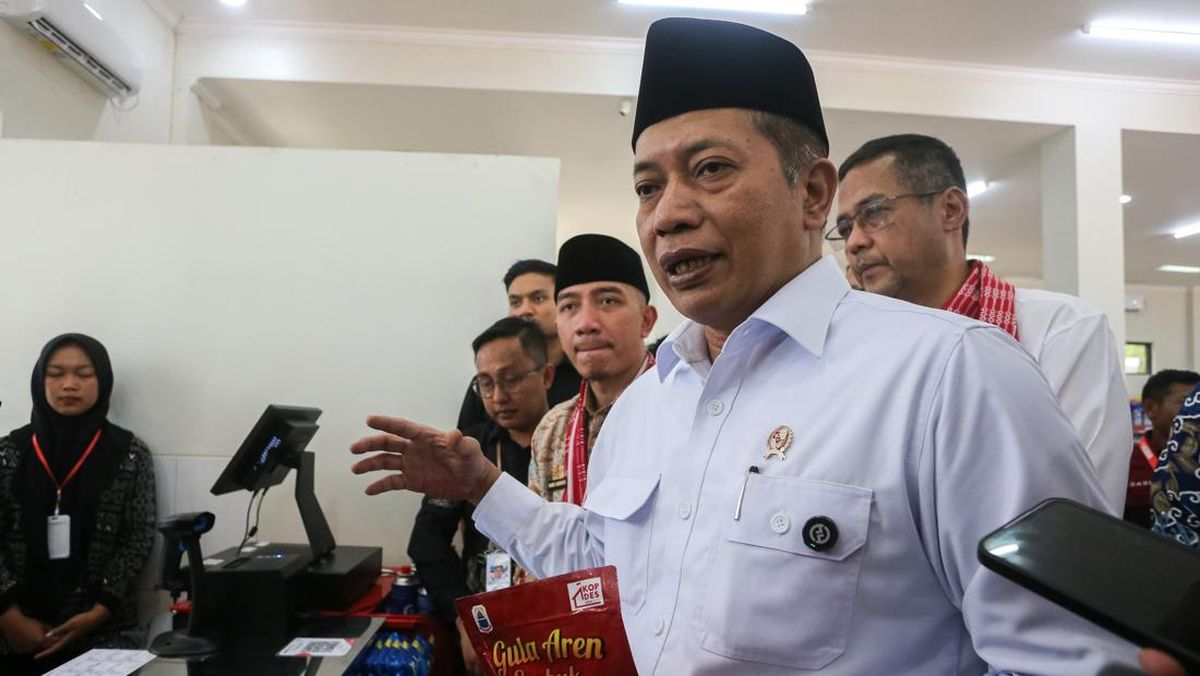
Tedi Bharata, Deputy Head of the BUMN Regulatory Body (BP BUMN), elaborated that the salary scheme is still under review and will strictly adhere to prevailing labor laws. The managers will be engaged under a Fixed-Term Employment Contract (PKWT – Perjanjian Kerja Waktu Tertentu), a common employment model in Indonesia for positions with specific durations or project-based work. Bharata emphasized, "PKWT has its regulations. We cannot just arbitrarily give salaries. So don’t worry, there’s no need to be overly concerned, because this is currently being discussed regarding salaries." This indicates a commitment to legal compliance and a structured approach to determining fair wages.
Under Indonesian labor law, PKWT employees are entitled to compensation that meets at least the provincial minimum wage (UMP) or district/city minimum wage (UMK), whichever is applicable. The exact salary for PKWT positions in BUMNs typically varies significantly based on several factors, including the specific role, required qualifications, responsibilities, the financial health of the employing entity, and regional economic conditions. For instance, data from various sources indicates that staff-level positions in BUMNs generally command salaries ranging from Rp4 million to Rp8 million per month. Managerial roles, which would include the Kopdes managers, can see salaries ranging from Rp8 million up to Rp20 million or even more per month, depending on the sector, company size, and the complexity of the responsibilities. Given that Kopdes managers are expected to possess strong entrepreneurial and networking skills and are tasked with significant responsibilities in rural economic development, their compensation is likely to fall within the managerial bracket, albeit with regional adjustments.
Bharata further stressed that the government’s current priority is to ensure the quality of the candidates rather than solely focusing on the salary figure. "We need individuals with an entrepreneurial character, true businessmen. They will be interacting extensively with vendors, BUMNs, and various business actors at the village level," he explained. This focus highlights the demanding nature of the role, which requires not just administrative capabilities but also strategic vision, business acumen, and the ability to foster collaborative ecosystems within the rural economy. The varying nature of the roles across different regions and cooperative types also suggests that a uniform salary might not be practical or equitable. "It will be adjusted according to regulations, yes. It will be adapted, it can’t be the same," Bharata added, indicating a nuanced approach to compensation based on local conditions and specific job profiles.
Operational Structure and Employment Details
The successful applicants for the Kopdes Merah Putih and Fishermen Village manager positions will be employed under the umbrella of State-Owned Enterprises (BUMNs), specifically PT Agrinas Pangan Nusantara and PT Agrinas Jaladri Nusantara. These entities appear to be special purpose vehicles or subsidiaries established to manage and execute strategic government programs related to food security (Pangan) and maritime/fisheries (Jaladri). Their involvement signifies the government’s intention to leverage the professional management and resources of BUMNs to ensure the effective implementation and long-term sustainability of the cooperative program. Employing managers under a BUMN structure provides a formal framework for human resource management, accountability, and professional development, distinct from direct civil servant employment.
PT Agrinas Pangan Nusantara is likely tasked with overseeing the agricultural cooperatives, focusing on food production, processing, distribution, and market access for farming communities. Meanwhile, PT Agrinas Jaladri Nusantara would focus on the fisheries sector, supporting fishermen villages in aspects such as sustainable fishing practices, fish processing, aquaculture development, and market linkages for marine products. This specialized approach aims to provide targeted support and expertise to each sector, maximizing the program’s impact. The use of PKWT contracts by these BUMNs for the managers allows for flexibility in scaling the program and adapting to evolving needs, while still providing formal employment benefits and legal protections.
Financial Architecture: Empowering Cooperatives Through PMK No. 15/2026
Complementing the manager recruitment is the robust financial support mechanism for the cooperatives themselves, as detailed in Ministerial Regulation (PMK) Number 15 Year 2026, issued by Minister of Finance Purbaya Yudhi Sadewa. This regulation is designed to address one of the most significant hurdles faced by village cooperatives: access to capital. It establishes a scheme where the government places funds as a source of liquidity for commercial banks, enabling these banks to extend credit to village cooperatives with reduced risk. This indirect subsidy mechanism allows cooperatives to access much-needed financing for physical infrastructure development, such as building modern retail outlets, establishing efficient warehousing facilities, and acquiring necessary equipment.
Each eligible cooperative unit can access a maximum financing limit of Rp3 billion, offered at a competitive annual interest rate of approximately 6 percent. This rate is significantly lower than typical commercial loan rates, making it more accessible and sustainable for village cooperatives, many of which operate on thin margins. The government’s role in providing liquidity support from the APBN is critical, as it de-risks the lending process for banks, encouraging them to participate in financing rural development initiatives that might otherwise be deemed too risky or less profitable. This strategic financial intervention aims to accelerate the physical growth and operational capacity of cooperatives, enabling them to better serve their members and contribute more effectively to the local economy. The focus on physical development is intended to create tangible assets that enhance operational efficiency, improve market access, and increase the value chain of local products.
Broader Impact and Implications
The Kopdes Merah Putih program, with its comprehensive approach to management and financing, carries significant potential for transformative impact across various dimensions:
- Economic Empowerment: By professionalizing management and providing access to capital, the program can revitalize village economies. Stronger cooperatives mean better prices for farmers’ produce, improved market access for local goods, and the creation of local employment opportunities. This can lead to increased household incomes and reduced poverty in rural areas.
- Food Security and Resilience: Strengthening agricultural and fisheries cooperatives directly contributes to national food security. Enhanced production, efficient supply chains, and reduced post-harvest losses ensure a more stable and affordable food supply for the wider population. It also empowers local communities to become more self-reliant in food production.
- Entrepreneurship and Skill Development: The emphasis on recruiting entrepreneurial managers will foster a culture of business acumen and innovation at the village level. These managers are expected to mentor local members, transferring valuable business skills and encouraging local entrepreneurship, thereby creating a sustainable ecosystem of economic activity.
- Reduced Rural-Urban Disparities: By creating attractive economic opportunities in villages, the program can help stem rural-urban migration, keeping human capital within rural communities and fostering balanced regional development.
- Strengthening BUMN Role in Development: The involvement of BUMNs like PT Agrinas Pangan Nusantara and PT Agrinas Jaladri Nusantara highlights a strategic shift where state-owned enterprises are increasingly leveraged as instruments for national development and social impact, beyond their traditional commercial roles.
Challenges and Future Outlook
Despite its promising potential, the program is not without its challenges. The sheer scale of recruiting, training, and deploying 35,476 managers across diverse geographical and cultural landscapes is immense.
- Managerial Quality and Retention: Attracting and retaining high-caliber managers with competitive, yet fiscally sustainable, salaries will be crucial. Ensuring these managers genuinely possess the required entrepreneurial spirit and commitment to community development is paramount.
- Transparency and Accountability: With substantial government funding and bank financing involved, robust mechanisms for transparency, accountability, and oversight will be essential to prevent misuse of funds and ensure equitable distribution of benefits.
- Sustainability Beyond Initial Support: The long-term success of the cooperatives hinges on their ability to become self-sustaining and profitable beyond the initial government support. This requires effective business models, market linkages, and continuous innovation.
- Coordination and Integration: Effective coordination among various government ministries, BUMNs, local governments, and financial institutions will be critical for seamless implementation. Integrating the cooperatives into broader national and regional supply chains will also be key.
- Monitoring and Evaluation: Establishing clear performance indicators and a rigorous monitoring and evaluation framework will be necessary to track progress, identify bottlenecks, and make timely adjustments to the program.
In conclusion, the government’s detailed approach to establishing the remuneration framework for Merah Putih Village Cooperative managers, while ensuring its independence from direct cooperative financing, underscores a strategic commitment to a robust, professionally managed, and financially empowered cooperative sector. The enthusiastic public response to the recruitment drive signals a strong belief in the program’s potential. As the nation moves forward with this ambitious initiative, the meticulous execution of both human resource and financial strategies will be pivotal in transforming village cooperatives into formidable engines of inclusive and sustainable national development.
Related posts: