Understanding and Addressing the Common "Brebet" Phenomenon in Popular Vespa Matic Scooters

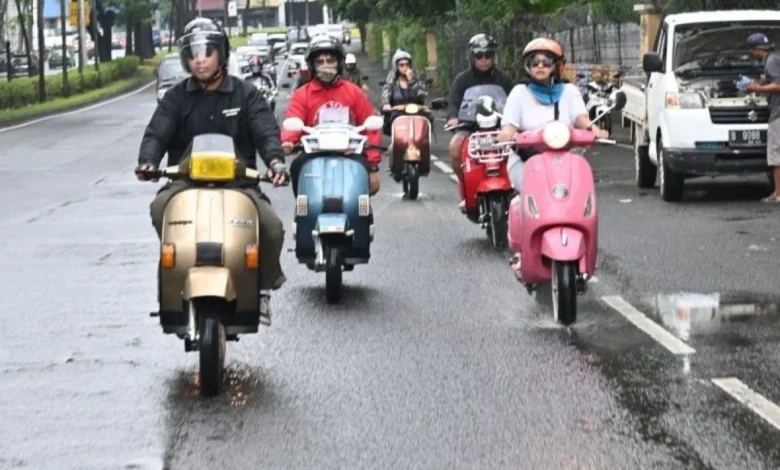
The enduring popularity of Vespa matic scooters in Indonesia, particularly among the younger demographic, is a testament to their unique blend of classic design and modern convenience. These scooters offer a comfortable and stylish solution for daily urban mobility. However, like all sophisticated machinery, they require diligent maintenance to ensure optimal performance. While routine services such as engine oil and transmission fluid changes, fuel injection system cleaning, and CVT maintenance are crucial, a recurring issue that often troubles Vespa matic owners is the disconcerting "brebet" or sputtering sensation when the throttle is engaged. This article delves into the multifaceted causes behind this common problem, providing a comprehensive guide for owners seeking to maintain their beloved Vespas in peak condition.
The Allure and Challenges of Vespa Matic Scooters
Vespa, a brand synonymous with Italian design flair and a rich heritage, has successfully captured the hearts of Indonesian riders. The matic (automatic transmission) variants have further broadened its appeal by simplifying the riding experience, making them accessible to a wider audience. The distinct aesthetic, reminiscent of iconic vintage models, combined with contemporary technological advancements, creates a compelling package. This popularity is not merely anecdotal; global sales figures for Piaggio Group, the parent company of Vespa, have shown consistent growth, with Asia, including Indonesia, being a significant market. For instance, Piaggio reported a 12% increase in sales for its two-wheeler division in the first half of 2023, with scooters forming a substantial portion of this growth.
Despite their undeniable charm and practical advantages, Vespa matics, like any fuel-injected engine, are susceptible to performance degradation if not properly cared for. The "brebet" phenomenon, characterized by an uneven engine response, hesitation, or outright stalling during acceleration, can significantly detract from the riding experience and, in more severe cases, compromise safety. Understanding the root causes is the first step towards effective prevention and resolution.
Unraveling the Mystery: Common Causes of "Brebet" in Vespa Matic Engines
The "brebet" or sputtering issue in Vespa matic scooters is not attributable to a single culprit but rather a confluence of factors affecting various critical systems. These can broadly be categorized into ignition system malfunctions, fuel delivery problems, air intake restrictions, and issues within the Continuously Variable Transmission (CVT) system. Drawing from insights provided by automotive specialists and industry publications, we can identify the most frequent offenders:
1. Faulty Spark Plug Cap (Cangklong Busi)
Often overlooked, the spark plug cap, or "cangklong busi" in Indonesian, plays a vital role in ensuring a strong and consistent spark. This rubber component acts as the conduit for electrical current from the ignition coil to the spark plug. Over time, the rubber can harden and become brittle due to age and exposure to heat and vibration. Furthermore, improper installation can lead to the internal spring contact dislodging, disrupting the electrical connection. A compromised spark plug cap results in an unstable electrical flow to the spark plug, weakening the spark in the combustion chamber. This incomplete combustion process directly leads to engine sputtering, particularly noticeable during acceleration.
2. Dirty or Worn-Out Spark Plug
The spark plug itself is the ignition system’s powerhouse, responsible for igniting the air-fuel mixture. During the combustion process, carbon deposits can accumulate on the spark plug’s tip, impeding its ability to generate a robust spark. Additionally, the electrodes of the spark plug can wear down over time, altering the gap between them. If this gap deviates from the manufacturer’s specifications, the spark’s intensity and consistency will suffer, leading to incomplete combustion, loss of power, and the characteristic "brebet" sensation. Regular inspection and replacement of spark plugs, typically recommended every 5,000 to 10,000 kilometers depending on the model and riding conditions, are essential.
3. Issues with the Ignition Coil or Spark Plug Wires
Beyond the spark plug and its cap, the ignition coil and spark plug wires are also critical components. The ignition coil is responsible for stepping up the battery’s voltage to the high voltage required to create a spark. If the coil begins to weaken or if the spark plug wires suffer damage from wear and tear, the voltage delivered to the spark plug will be insufficient. This results in a weak spark, inefficient combustion, reduced engine performance, and the onset of sputtering. The lifespan of an ignition coil can vary significantly, but many manufacturers suggest replacement every 30,000 to 50,000 kilometers as a precautionary measure.
4. Clogged Fuel Filter or Weak Fuel Pump
Problems within the fuel delivery system are another significant contributor to engine "brebet." A dirty fuel filter can restrict the flow of gasoline to the injectors, starving the engine of fuel. Similarly, a weakening or clogged fuel pump will fail to deliver fuel at the required pressure. When the fuel supply is inconsistent or insufficient, the air-fuel mixture becomes unbalanced, leading to erratic combustion and a noticeable stutter during acceleration. Regular replacement of the fuel filter, often recommended every 10,000 to 15,000 kilometers, is a crucial preventive measure.
5. Dirty Injectors or Throttle Body
Vespa matics utilize an electronic fuel injection (EFI) system, which relies on clean injectors to atomize fuel effectively. Over time, carbon deposits can accumulate within the injectors and the throttle body, the component that regulates the amount of air entering the engine. This buildup disrupts the spray pattern of the fuel, leading to an incorrect air-fuel mixture. The consequence is incomplete combustion and engine sputtering, particularly when the throttle is opened. Professional cleaning of the fuel injection system and throttle body, typically recommended every 10,000 to 20,000 kilometers, can resolve these issues.
6. Contaminated Fuel
The quality of the fuel used in a scooter directly impacts its engine performance. Water contamination in the fuel tank is a common, yet often overlooked, issue. Water does not combust like gasoline, and its presence in the fuel mixture can lead to a significant loss of power, engine hesitation, and even difficulty starting if the contamination is severe. This can occur if fuel is purchased from unreliable sources or if the fuel tank cap is not securely closed, allowing moisture to enter. Using fuel from reputable gas stations and ensuring the fuel cap is always properly sealed are simple yet effective preventive measures.
7. Clogged Air Filter
The air filter’s primary function is to prevent dust and debris from entering the engine’s combustion chamber. A dirty or clogged air filter restricts the flow of air into the engine. This imbalance in the air-fuel ratio leads to incomplete combustion, reduced engine power, and the manifestation of "brebet" symptoms. Regular cleaning or replacement of the air filter, typically every 5,000 to 10,000 kilometers, depending on the riding environment, is essential for maintaining optimal engine performance.
8. Worn or Deformed CVT Rollers
Not all "brebet" issues stem from the engine itself; the Continuously Variable Transmission (CVT) system can also be a source of problems. The CVT uses a set of rollers within a variator to adjust the gear ratio automatically. If these rollers become worn or develop flat spots ("peyang" in Indonesian), they can disrupt the smooth movement of the pulleys. This leads to jerky acceleration, vibrations, and a sensation of sputtering as the transmission struggles to engage smoothly. Worn CVT rollers are typically replaced as part of routine CVT maintenance, usually around the 20,000 to 30,000 kilometer mark.
Proactive Maintenance: The Key to Preventing "Brebet"
The adage "prevention is better than cure" holds particularly true for maintaining the performance and longevity of a Vespa matic scooter. Adhering to a regular maintenance schedule is paramount. This includes:
- Scheduled Servicing: Following the manufacturer’s recommended service intervals is crucial. This ensures that vital components like spark plugs, air filters, fuel filters, and transmission fluids are inspected and replaced as needed.
- Component Checks: Beyond scheduled services, owners should be vigilant about the condition of key components. Regular visual inspections of the spark plug, ignition coil, and spark plug wires can help identify potential issues early on.
- Fuel Quality and Storage: Always use high-quality fuel from reputable service stations. Ensure the fuel tank is not left nearly empty for extended periods, and always secure the fuel tank cap to prevent moisture ingress.
- Regular Cleaning: Periodic cleaning of the fuel injection system and throttle body, especially if the scooter is used in dusty or polluted environments, can prevent the buildup of carbon deposits.
- CVT System Care: While often overlooked, the CVT system requires attention. Regular checks on the rollers, drive belt, and clutch assembly during servicing can preemptively address potential "brebet" issues originating from the transmission.
When to Seek Professional Assistance
While understanding these common causes empowers owners, it is essential to recognize when professional intervention is necessary. If, despite diligent routine maintenance, the "brebet" issue persists or worsens, it is advisable to take the Vespa matic to an authorized service center or a trusted, experienced mechanic. Early detection and diagnosis by a professional can prevent minor issues from escalating into more significant and costly repairs. Furthermore, a mechanic has access to specialized tools and diagnostic equipment that can accurately pinpoint the root cause of complex problems.
The implication of addressing such issues promptly extends beyond mere inconvenience. A sputtering engine can lead to unpredictable performance, increasing the risk of accidents, especially in busy urban traffic. Moreover, persistent engine problems can lead to premature wear and tear on other components, potentially shortening the overall lifespan of the scooter.
The Broader Impact and Future Outlook
The prevalence of the "brebet" issue in popular scooter models like the Vespa matic highlights the ongoing evolution of vehicle technology and the corresponding need for informed ownership. As engines become more sophisticated with advanced fuel injection and electronic control systems, owners must adapt their maintenance practices. The trend towards increasingly complex systems suggests that proactive, data-driven maintenance will become even more critical.
The automotive industry is constantly innovating to improve engine efficiency and reduce emissions. For manufacturers like Piaggio, understanding and addressing common owner concerns like the "brebet" phenomenon is crucial for maintaining customer satisfaction and brand loyalty. Future iterations of Vespa matics may incorporate more robust diagnostic systems or advanced self-monitoring features to alert owners to potential issues before they manifest as performance problems.
In conclusion, while the Vespa matic offers a delightful riding experience, owners must remain vigilant about its maintenance. By understanding the common causes of engine "brebet" and adopting a proactive approach to servicing and care, riders can ensure their scooters continue to perform optimally, providing years of enjoyable and reliable urban mobility. The enduring charm of the Vespa, coupled with a well-maintained engine, promises a continued legacy of style and performance on the roads of Indonesia and beyond.