Astra Honda Motor (AHM) has acknowledged and is investigating customer complaints circulating on social media regarding alleged oil leaks from the engines of its newly launched Honda Vario 160 scooters. The issue surfaced shortly after the model officially entered the Indonesian market, drawing attention from consumers and enthusiasts alike.
Initial Reports and Social Media Buzz
The concerns first gained traction through social media platforms, particularly TikTok, where a user shared images and accounts of what appeared to be oil seepage from the engine area of their brand-new Vario 160. The original poster indicated that the issue manifested within approximately 24 hours of taking delivery of the scooter. While the initial post has since been removed, similar content has been re-shared by other users, amplifying the discussion and prompting a response from the manufacturer.
This situation highlights the heightened scrutiny new vehicle models face, especially in a competitive market like Indonesia, where customer feedback, both positive and negative, can spread rapidly through digital channels. The Vario line, in particular, holds a significant position in Honda’s Indonesian portfolio, known for its practicality and popularity among urban commuters.
AHM’s Official Response and Commitment to Quality
In response to the growing online discussion, Thomas Wijaya, Executive Vice President Director of AHM, stated that the company is prepared to address every report submitted by its customers. He emphasized that consumers experiencing any issues are encouraged to visit official Honda service centers, known as AHASS (Astra Honda Authorized Service Station), for inspection and resolution.
"So, if there are any inputs or anything consumers need, please come to our network, to AHASS," Wijaya stated during an interview in Jakarta on Friday, July 17th.
While acknowledging the reports, Wijaya did not immediately offer a definitive explanation for the alleged leaks. He indicated that AHM’s protocol involves a thorough examination of each affected unit to determine the root cause. This systematic approach underscores the company’s commitment to investigating the specific circumstances of each reported case rather than making broad generalizations.
Wijaya further reiterated Honda’s unwavering focus on product quality. "We have produced in good quality, of course, having passed various tests. Now, we will see what the condition is like," he added, reinforcing the company’s belief in the rigorous testing and quality control processes that precede the market release of their products.
Background of the Honda Vario 160
The Honda Vario 160, which has been the subject of these recent discussions, represents an updated iteration of the popular Vario series. The model boasts a 156.9cc, four-valve, eSP+ engine with liquid cooling, delivering a maximum power output of 15.19 horsepower at 8,500 rpm. Beyond its engine specifications, AHM has also focused on enhancing the Vario 160’s aesthetics and features to appeal to a modern consumer base.
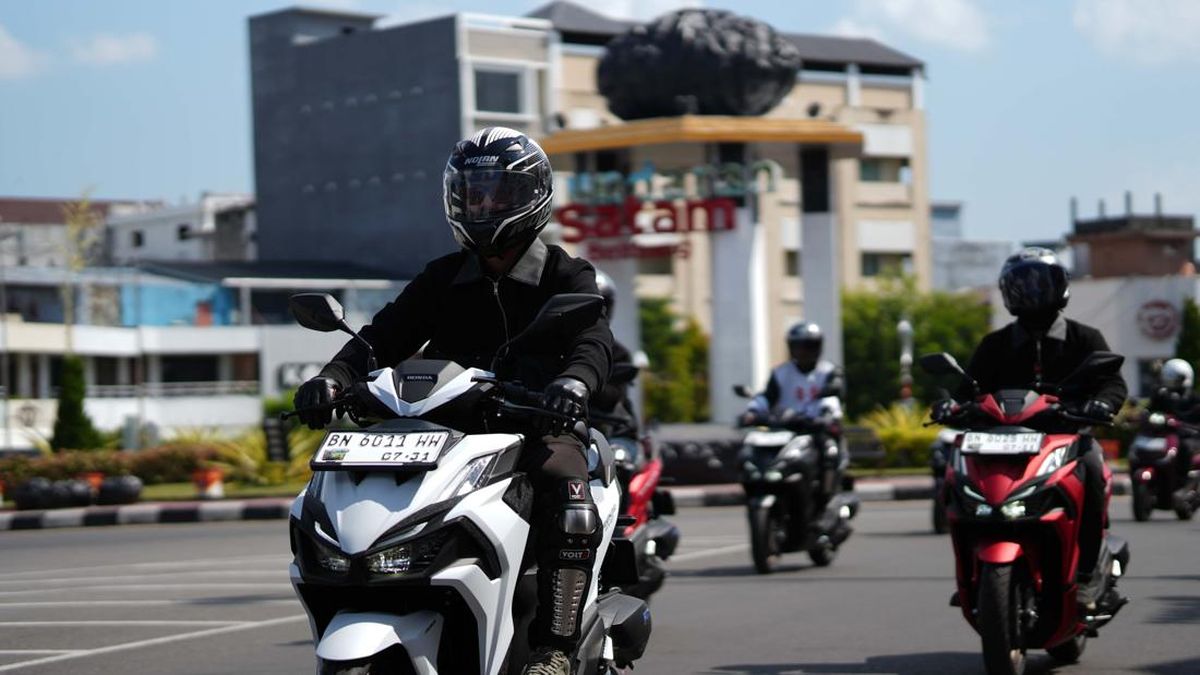
AHM currently offers the Vario 160 in three distinct variants in the Indonesian market: the CBS priced at Rp 28.2 million, the CBS Nitro at Rp 28.7 million, and the ABS model at Rp 31.4 million. These pricing points place the Vario 160 in a competitive segment of the Indonesian scooter market, where it contends with offerings from other major manufacturers.
The demand for the Vario 160 has reportedly been strong since its launch, according to Wijaya, indicating a positive market reception prior to the emergence of these concerns. This suggests that the reported issues, if confirmed to be widespread, could potentially impact consumer confidence in a model that otherwise appears to be performing well in terms of sales.
The Role of Social Media in Automotive Feedback
The rapid dissemination of information through social media platforms like TikTok, Instagram, and Facebook has fundamentally changed how automotive manufacturers receive and respond to customer feedback. What might have once been isolated incidents, reported directly to dealerships and potentially addressed without wider public knowledge, can now quickly escalate into widespread discussions, influencing purchasing decisions for many potential buyers.
In the case of the Vario 160, the initial social media post served as a catalyst, prompting other owners to scrutinize their own vehicles and share their experiences. This collective scrutiny, while beneficial for identifying potential product flaws, also places significant pressure on manufacturers to respond swiftly and transparently.
Broader Implications for AHM and the Indonesian Motorcycle Market
The emergence of these complaints, even if isolated, carries several implications for Astra Honda Motor:
- Brand Reputation Management: A swift and transparent response is crucial for maintaining the brand’s reputation, especially for a popular model like the Vario. Any perceived mishandling of customer concerns could lead to negative publicity and erode consumer trust.
- Quality Control Re-evaluation: While AHM asserts that their products undergo rigorous testing, such reports often prompt an internal review of manufacturing processes and quality control measures. The company will likely analyze whether this is an isolated manufacturing defect, a design flaw, or a user-related issue.
- Customer Service Excellence: The accessibility and efficiency of the AHASS network will be tested. Customers expect prompt and effective solutions when they bring their vehicles in for inspection. The experience at the service centers will significantly influence their perception of AHM’s commitment to customer satisfaction.
- Market Dynamics: The Indonesian motorcycle market is highly competitive, with consumers having a wide array of choices. Negative perceptions, even if stemming from a few incidents, can sway consumer preferences towards competing brands.
The Vario 160’s engine technology, utilizing eSP+ and liquid cooling, represents Honda’s push for more advanced and efficient powertrains. Issues related to these advanced systems, if not properly addressed, could cast doubt on the reliability of these newer technologies.
Looking Ahead: The Investigation Process
AHM’s stated intention to examine each reported unit suggests a methodical approach to understanding the problem. This will likely involve:
- Customer Contact and Vehicle Retrieval: Identifying the specific customers who have reported issues and arranging for their scooters to be brought to designated AHASS centers.
- Diagnostic Inspection: A thorough examination of the engine, including checking seals, gaskets, and other components that could be susceptible to oil seepage. This may involve specialized diagnostic tools and experienced technicians.
- Root Cause Analysis: Determining the precise reason for the leakage. This could range from a faulty component during manufacturing, improper assembly, to environmental factors or even usage patterns that may not be immediately apparent.
- Resolution and Feedback Loop: Once the cause is identified, AHM will implement a solution, which could involve component replacement or repair. The company will then likely use this data to refine its manufacturing or quality assurance processes and provide feedback to its engineering and production teams.
The timeline for resolving these individual cases and AHM’s broader investigation will be closely watched by consumers and industry observers. The company’s ability to provide clear communication throughout this process will be as important as the technical resolution of the issues.
Conclusion: A Test of Trust and Transparency
The situation with the Honda Vario 160’s alleged engine leaks serves as a critical juncture for Astra Honda Motor. While the company has a strong track record and a deeply entrenched presence in the Indonesian market, its response to these emerging concerns will be a key determinant of continued customer trust and brand loyalty. By engaging with customers through their official service network and maintaining transparency, AHM aims to address the concerns and uphold its commitment to delivering quality products. The outcome of this investigation will not only affect the Vario 160 but also shape perceptions of Honda’s technological advancements and customer care in the Indonesian automotive landscape. The coming weeks will be crucial in observing how AHM navigates this challenge and reinforces its position as a leading motorcycle manufacturer in the region.