The Provincial Government of DKI Jakarta, through its Regional Revenue Agency (Bapenda), is actively developing a strategic fiscal incentive scheme to mitigate the impact of a new ministerial regulation that introduces motor vehicle tax (PKB) and vehicle name transfer tax (BBNKB) for electric vehicles. The regulation, Permendagri Nomor 11 Tahun 2026 concerning the Basis for Imposing Motor Vehicle Tax, BBNKB, and Heavy Equipment Tax, marks a significant shift from previous policies that exempted electric vehicles from these charges.
Background: The Evolving Landscape of Electric Vehicle Taxation
For a considerable period, electric vehicles (EVs) have been positioned as a cornerstone of Indonesia’s clean energy transition and environmental sustainability goals. The government, at both national and regional levels, has actively promoted the adoption of EVs through various means, including tax exemptions. This approach was intended to encourage consumer uptake, reduce reliance on fossil fuels, and combat air pollution, particularly in densely populated urban centers like Jakarta.
The previous regulatory framework, Permendagri No. 7 Tahun 2025, explicitly listed vehicles powered by renewable energy sources, including electric, biogas, and solar energy, as well as those converted from fossil fuels to renewable energy, as exempt from PKB and BBNKB. This exemption was a crucial incentive, making EVs a more financially attractive option for consumers compared to their internal combustion engine (ICE) counterparts.
However, the newly enacted Permendagri Nomor 11 Tahun 2026 introduces a paradigm shift. The updated regulation no longer explicitly exempts Battery Electric Motor Vehicles (KBLBB) from PKB and BBNKB. Instead, the list of exemptions in Article 3, paragraph (3) of the new regulation focuses on specific categories such as railways, vehicles for national defense and security, diplomatic vehicles, and other vehicles designated by regional regulations. This omission of explicit EV exemption has necessitated a reassessment of the tax landscape for these vehicles.
Jakarta’s Proactive Stance: Balancing Revenue and Environmental Goals
The Provincial Government of DKI Jakarta, through Bapenda, has publicly acknowledged the potential implications of this regulatory change on EV adoption. In a statement released on its official website on Thursday, April 16th, Bapenda articulated its understanding of the public’s contribution to clean energy transition through EV ownership.
"The DKI Jakarta Provincial Government understands that the public has contributed to supporting the clean energy transition through the use of electric vehicles," stated Bapenda DKI Jakarta. "Therefore, despite the policy adjustments at the national level, the local government is committed to prioritizing public interests and ensuring that electric vehicles remain an affordable choice."
This commitment underscores Jakarta’s dual objectives: to comply with national regulations while simultaneously safeguarding the progress made in promoting sustainable transportation within the capital. The city has been a frontrunner in implementing various initiatives to encourage EV adoption, recognizing their critical role in improving air quality and reducing carbon emissions. The prospect of increased tax burdens could potentially dampen this momentum.
Developing Fiscal Incentives: Leveraging Policy Flexibility
In response to the new ministerial regulation, Bapenda DKI Jakarta is actively exploring and preparing a robust fiscal incentive scheme. The agency aims to leverage the policy flexibility afforded by the Permendagri, which, in Article 19, allows for the provision of exemptions or reductions in PKB and BBNKB for battery-based electric vehicles.
"Bapenda reveals that the DKI Jakarta Provincial Government is currently preparing fiscal incentive schemes by utilizing the policy space provided within the latest Permendagri," the statement detailed. These incentives are meticulously designed to alleviate the tax burden on citizens without contravening existing laws and regulations. The overarching goal is to ensure that the financial implications of the new tax regime do not deter individuals and businesses from choosing electric mobility.
Furthermore, the planned incentive policies are intended to align seamlessly with Jakarta’s vision of becoming a sustainable city. The continued promotion of electric vehicle usage is seen as paramount in the ongoing efforts to curb emissions and enhance the overall air quality within the metropolitan area. Jakarta has been grappling with significant air pollution challenges, and EVs are considered a vital component of the solution.
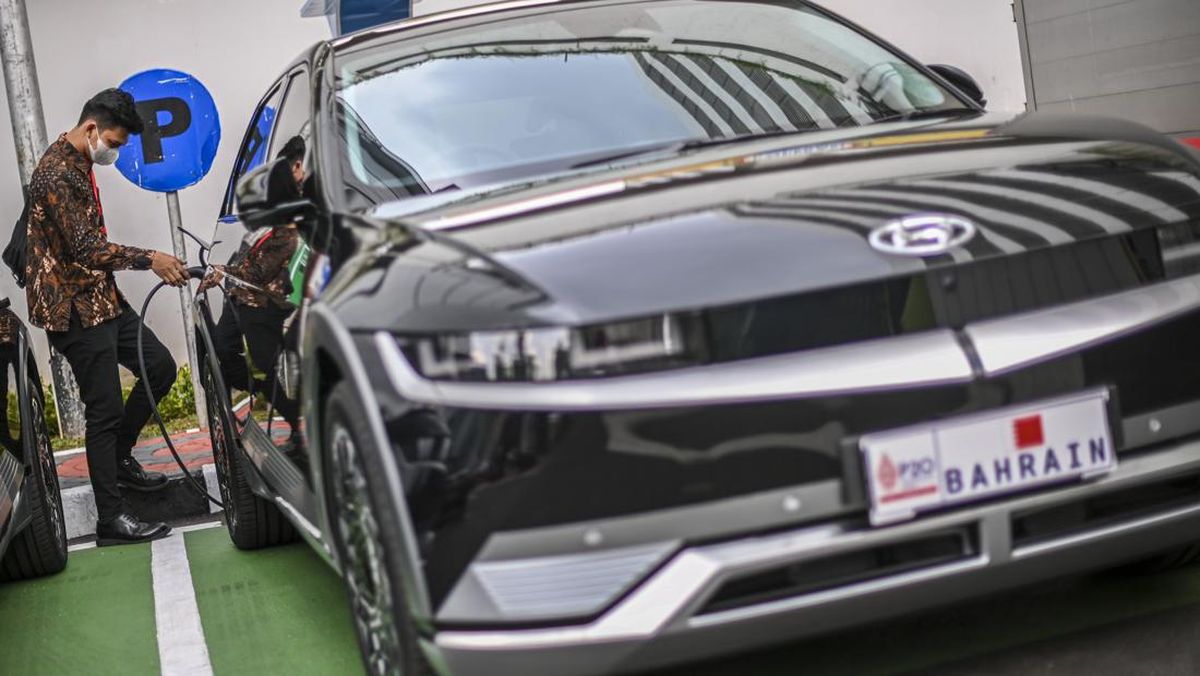
"The Provincial Government of DKI Jakarta wants to ensure that this regulatory change does not diminish public interest in electric vehicles. Quite the opposite, with well-targeted incentives, it is hoped that the electric vehicle ecosystem in Jakarta will continue to grow positively," Bapenda added. This indicates a strategic approach focused on maintaining and fostering the growth of the EV market, rather than allowing it to stagnate or decline due to increased taxation.
Analysis of Implications: Navigating the New Tax Framework
The shift in taxation policy has several significant implications for the Indonesian EV market, particularly in Jakarta.
- Increased Cost of Ownership: Without targeted incentives, the introduction of PKB and BBNKB would directly increase the overall cost of owning an electric vehicle. This could make EVs less competitive, especially for first-time buyers or those on a tighter budget, potentially slowing down the rate of adoption.
- Need for Harmonization: The national regulation provides a framework, but the extent of exemptions or reductions in PKB and BBNKB will ultimately depend on regional governments. This creates a scenario where the attractiveness of EVs might vary across different provinces, potentially leading to an uneven playing field. Jakarta’s proactive stance suggests a commitment to maintaining its position as a leader in EV adoption.
- Revenue Generation vs. Environmental Goals: The new regulation could be interpreted as a move by the central government to generate additional revenue from the growing EV sector. This presents a potential tension between fiscal objectives and the long-standing environmental goals that have driven EV promotion. Jakarta’s approach aims to strike a balance, ensuring that revenue generation does not come at the expense of environmental progress.
- Impact on Manufacturers and Dealerships: A slowdown in EV sales due to increased costs could impact manufacturers and dealerships, potentially affecting investment in local EV production and sales infrastructure.
- Focus on Battery Electric Vehicles: The new regulation specifically mentions "battery-based electric vehicles." This distinction might lead to differing tax treatments for other forms of electric mobility, such as hybrid vehicles or those powered by different renewable energy sources, if not clearly addressed in future regional regulations.
Timeline of Regulatory Changes
To understand Jakarta’s current position, it’s useful to consider the timeline of these regulatory shifts:
- Prior to 2025: Electric vehicles were generally exempt from PKB and BBNKB, serving as a key incentive for adoption.
- Permendagri No. 7 Tahun 2025: This regulation explicitly continued the exemption for vehicles powered by renewable energy, including electric vehicles, and those converted to renewable energy.
- Permendagri Nomor 11 Tahun 2026: This new regulation revises the basis for imposing motor vehicle taxes, no longer explicitly exempting battery electric vehicles.
- Present (April 2024): The Provincial Government of DKI Jakarta is actively preparing fiscal incentive schemes in response to Permendagri Nomor 11 Tahun 2026, aiming to offset the impact of the new tax provisions.
Supporting Data and Jakarta’s EV Landscape
Jakarta has been a significant market for electric vehicles in Indonesia. While specific real-time data on EV ownership in Jakarta for 2024 is still emerging, trends from previous years indicate substantial growth. For instance, reports from the Indonesian Automotive Industry Association (Gaikindo) have shown a consistent upward trajectory in EV sales. In 2023, the sales of Battery Electric Vehicles (BEVs) in Indonesia saw a remarkable increase, with many of these sales concentrated in major urban centers like Jakarta.
The city’s commitment to sustainability is further evidenced by its ambitious targets for electric public transportation. Transjakarta, the city’s bus rapid transit system, has been progressively electrifying its fleet, aiming for a fully electric operation in the coming years. The expansion of charging infrastructure, though still a work in progress, is also a key focus for the provincial government.
The introduction of PKB and BBNKB for EVs, if not adequately mitigated by incentives, could affect the affordability of these vehicles. For example, the cost of BBNKB can be a substantial one-time payment upon vehicle registration. Similarly, annual PKB payments can add to the recurring ownership costs. Without exemptions, the total cost of ownership for an EV could become comparable to, or even exceed, that of an equivalent ICE vehicle, depending on the tax rates applied.
The Path Forward: Collaboration and Public Engagement
The DKI Jakarta Provincial Government’s proactive approach in developing fiscal incentives is crucial for maintaining the momentum of EV adoption. The agency’s commitment to balancing national regulations with local interests and environmental goals demonstrates a nuanced understanding of the challenges and opportunities presented by the evolving EV landscape.
The success of these incentive schemes will depend on their design, implementation, and communication to the public. Clear communication about the nature and extent of the incentives will be vital in managing public expectations and ensuring continued consumer confidence. Furthermore, ongoing dialogue between the government, industry stakeholders, and the public will be essential to adapt policies as the EV market matures and to address any unforeseen challenges.
As Indonesia continues its journey towards a more sustainable future, the policies enacted in key urban centers like Jakarta will play a pivotal role in shaping the national trajectory of electric mobility. The provincial government’s current efforts signal a determination to ensure that the transition to electric vehicles remains accessible and attractive to its citizens, underscoring Jakarta’s role as a leader in environmental policy and urban development.