Toyota Voices Concerns Over Unfair Competition Amidst Japanese Automaker Dealer Closures in Indonesia


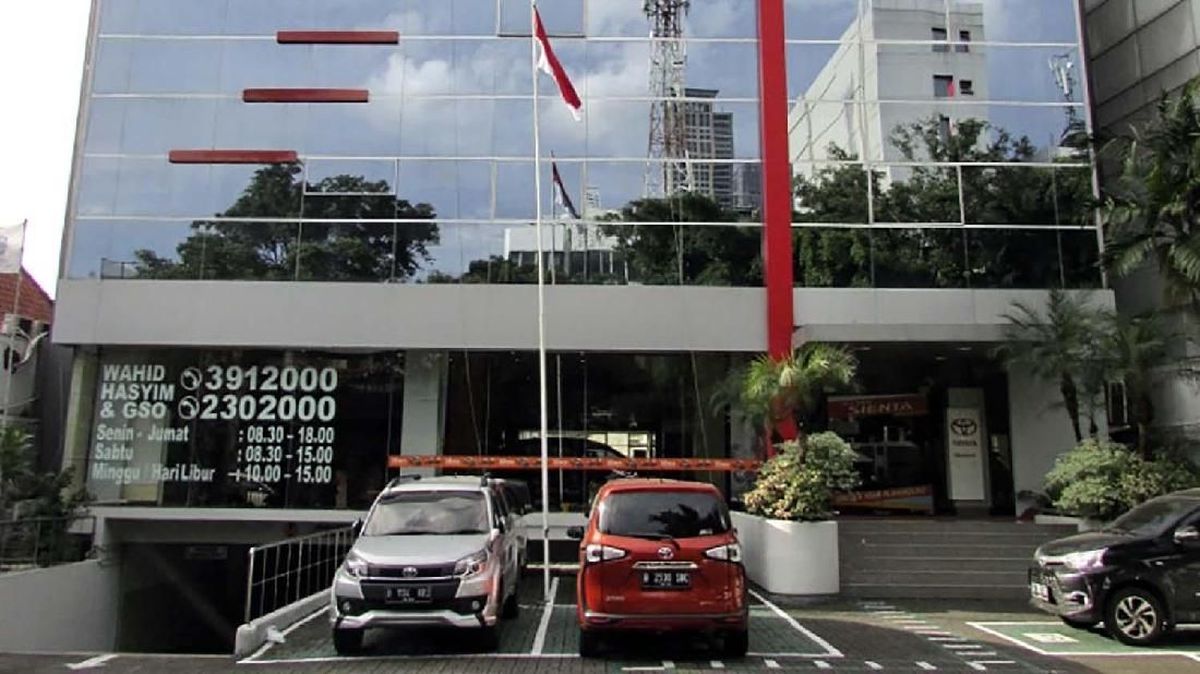
The recent phenomenon of several Japanese car dealerships closing their doors across Indonesia has become a focal point of discussion, particularly amidst the surging presence of new brands, notably from China. This intensifying competition in the automotive industry has prompted a response from Toyota, one of Japan’s leading automakers, highlighting concerns about the fairness of the competitive landscape.
Bob Azam, Deputy President Director of Toyota Motor Manufacturing Indonesia (TMMIN), addressed the situation by questioning the underlying reasons for these closures. "Generally, one must look at why these dealerships are closing," Azam stated in Jakarta on Thursday, April 16th. He emphasized that while competition is an inherent part of the automotive industry, it becomes problematic when the playing field is uneven due to differential treatment.
"As long as there is fair competition, it’s okay. But it shouldn’t be an unfair competition," Azam asserted, pointing to potential disadvantages faced by established players. "For instance, if one party has lower costs because they are not subject to the same taxes, while we are, that is not fair." This suggests that tax policies and import duties might be creating an uneven advantage for certain new entrants.
Background: A Shifting Automotive Landscape
The Indonesian automotive market has historically been dominated by Japanese manufacturers, with brands like Toyota, Honda, Mitsubishi, and Suzuki holding significant market share for decades. These companies have invested heavily in local manufacturing facilities, contributing to job creation and the national economy. However, the past few years have witnessed a dramatic influx of Chinese automotive brands, often leveraging advanced technology, competitive pricing, and a focus on electric vehicles (EVs).
This shift has led to a noticeable disruption. While specific data on the exact number of Japanese dealerships that have closed is not readily available in the initial report, anecdotal evidence and reports of brands like Honda shuttering outlets have become increasingly common. This has fueled speculation that some of these former Japanese dealership locations are being repurposed to serve the growing demand for Chinese vehicles, such as those from brands like Wuling, Chery, and BYD, which have aggressively expanded their presence.
Toyota’s Stance: Investment, Localization, and Economic Contribution
Azam further elaborated on Toyota’s perspective, highlighting the substantial investments the company has made in localizing its production in Indonesia. He stressed that establishing and maintaining local manufacturing is a complex and costly endeavor, encompassing not only production processes but also the creation of employment opportunities for the Indonesian workforce.
"It must also be remembered that the products available in Indonesia are already localized here. With Indonesian labor," Azam stated. He acknowledged that investing in Indonesia comes with its own set of challenges, including higher operational costs. However, these investments are undertaken with a commitment to contributing to the national economy.
The implication here is that established players like Toyota have borne significant costs and responsibilities in building their Indonesian operations, including adhering to local content regulations, investing in skilled labor, and contributing to tax revenues. The emergence of new competitors, potentially with different cost structures or fewer local commitments, raises questions about the sustainability of this established ecosystem.
The Broader Economic Implications
Bob Azam also sounded a warning about the wider repercussions of a disrupted automotive industry ecosystem. He pointed to the potential for significant job losses and a reduction in tax contributions to the government.
"And remember, the automotive sector provides a lot of employment. Especially in Cikarang and Karawang [major industrial areas]," he explained. "Now, if closures occur, leading to layoffs, and if these entities then do not pay taxes, but instead become recipients of social assistance, that becomes a burden on the state. Has this been considered?"
This statement underscores the interconnectedness of the automotive industry with the broader economy. A decline in the sector could lead to a ripple effect, impacting not only direct employees but also suppliers, service providers, and the government’s fiscal health. The argument is that a healthy and competitive automotive sector, even with its challenges, contributes more positively to the nation than a fragmented and struggling one.
The Call for Fair Competition
Toyota’s position, as articulated by Azam, is not an outright rejection of competition. Instead, it is a plea for a level playing field. "So, if competition is perfect because we are committed to pleasing consumers, that’s okay. But it should not be unfair," he reiterated.
This sentiment suggests that while market dynamics are expected, the presence of artificial advantages or unfair practices could undermine the long-term health of the industry and the economic contributions of established players.
Government Response: Adapting to the Electric Vehicle Transition
The Indonesian government, through the Ministry of Industry, has acknowledged the evolving market dynamics. Minister of Industry Agus Gumiwang Kartasasmita commented that the current situation presents a challenge for Japanese automakers to adapt to changing market demands.
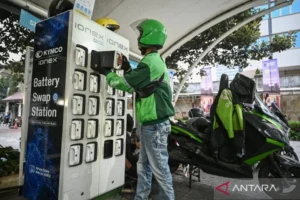
According to Agus, Japanese manufacturers need to be more astute in reading the government’s policy direction, which is consistently shifting towards supporting the use of electric vehicles (EVs). This strategic pivot by the government is driven by global trends, including geopolitical factors like the conflict in the Middle East, which is accelerating efforts to reduce dependence on fossil fuels.
"I think Japanese manufacturers must see that we are shifting in that direction. This is a direct directive from the President for us to move fully towards EVs, whether it’s motorcycles, passenger cars, including trucks and buses," Agus concluded.
This indicates that beyond the competition between established and new brands, a more significant underlying shift is underway, driven by global environmental concerns and governmental policy. Automakers that fail to embrace the EV transition risk being left behind, regardless of their historical market dominance.
Timeline of Developments
- Mid-2025 (Speculative based on report phrasing): Reports begin to surface of Honda closing several dealerships in Indonesia. Speculation arises that these locations might be repurposed to serve consumers of Chinese car brands.
- Recent Period: Honda reportedly closes another dealership in Pondok Pinang, with plans to convert the site into a Jaecoo outlet, a Chinese automotive brand.
- April 16th (Thursday): Bob Azam, Deputy President Director of Toyota Motor Manufacturing Indonesia (TMMIN), publicly addresses the issue of dealership closures and the competitive landscape.
- Ongoing: The Indonesian Ministry of Industry, through Minister Agus Gumiwang Kartasasmita, emphasizes the need for Japanese automakers to adapt to the government’s focus on electric vehicles.
Analysis of Implications
The statements from Toyota and the Ministry of Industry highlight several critical implications for the Indonesian automotive sector:
- Increased Competition and Market Dynamism: The influx of Chinese brands, coupled with evolving consumer preferences and government policy shifts, is undeniably reshaping the Indonesian automotive market. This is likely to lead to more competitive pricing, a wider range of vehicle options, and potentially faster technological adoption.
- The EV Transition as a Major Disruptor: The government’s strong push towards EVs is a significant factor. Japanese automakers, historically strong in internal combustion engine (ICE) technology, face the challenge of rapidly developing and deploying competitive EV models in Indonesia. Chinese manufacturers, who have a head start in EV technology and production, may find this a strategic advantage.
- Challenges for Traditional Dealership Models: The closure of dealerships suggests that the traditional sales and service models may need to evolve. This could involve a shift towards online sales, consolidated service centers, or a more direct-to-consumer approach, mirroring trends seen in other global markets.
- Economic Impact on Employment and Taxation: As highlighted by Toyota, any significant disruption to the established automotive ecosystem could have tangible economic consequences. Job losses in manufacturing and sales, coupled with potential reductions in tax revenue from established players, are valid concerns that policymakers and industry leaders must address.
- Policy Considerations for Fair Competition: The concerns raised by Toyota about unfair competition warrant attention. Policymakers may need to review existing regulations related to import duties, local content requirements, and tax incentives to ensure a balanced competitive environment for all market participants. The focus should be on fostering sustainable growth rather than short-term advantages that could harm long-term industry health.
In conclusion, the Indonesian automotive market is at a pivotal juncture. The rise of new players, driven by technological advancements and evolving global trends, is challenging the long-standing dominance of Japanese manufacturers. While competition is healthy, ensuring its fairness and navigating the critical transition to electric mobility will be key determinants of the sector’s future growth and its contribution to Indonesia’s economic prosperity. The dialogue between industry players and the government will be crucial in shaping this future.