Preventing Costly Engine Damage: Understanding the Risks and Solutions for Mis-fueling Vehicles

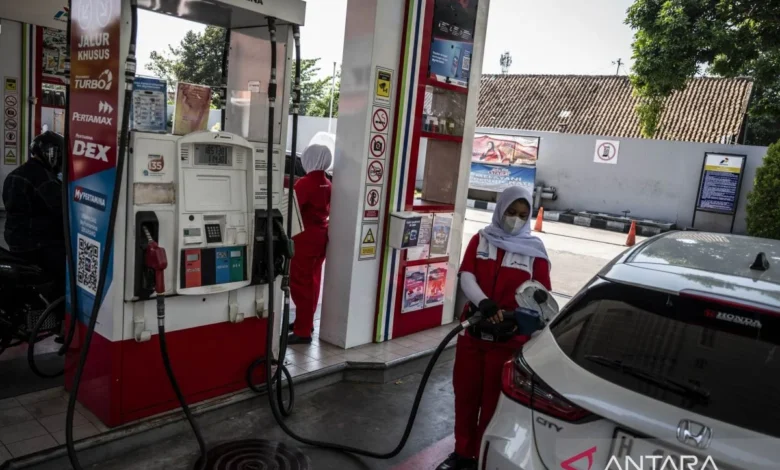
The persistent issue of mis-fueling vehicles, particularly when drivers are in a hurry or not paying close attention to the type of fuel they are using, continues to pose a significant problem for motorists. This oversight can lead to substantial financial burdens and severe damage to vehicle engines, which are meticulously designed by manufacturers to operate on specific fuel types according to their engine specifications. Filling a vehicle with the incorrect fuel not only degrades its performance but can also result in damage to various engine components, potentially leading to catastrophic failures requiring repairs costing millions of Rupiah. It is therefore imperative for all vehicle owners to fully grasp the consequences of mis-fueling and the necessary steps to take if such an error occurs.
The Critical Importance of Using the Correct Fuel Type
Fuel is a fundamental determinant of a vehicle’s engine performance. Currently, the most common fuel types available are gasoline (petrol), diesel, and gas. Each of these possesses distinct characteristics, making them suitable for specific engine designs.
For gasoline-powered vehicles, manufacturers typically recommend fuels with a specific octane rating, often referred to as the Research Octane Number (RON). Common recommendations include RON 92 or RON 95. Utilizing fuel with the appropriate octane rating ensures a more complete combustion process. This optimization translates into sustained optimal engine power, improved fuel efficiency, and a minimized risk of engine damage. The octane number is a measure of a fuel’s ability to resist knocking or pinging – an uncontrolled explosion of the fuel-air mixture within the cylinder. Higher octane fuels are more resistant to premature detonation under pressure and heat.
Diesel-powered vehicles, conversely, operate on diesel fuel. Diesel engines function through a compression-ignition process, where high compression ratios ignite the fuel without the need for a spark plug. This fundamental difference in combustion mechanics means that diesel fuel has distinct properties compared to gasoline. Due to these operational disparities, gasoline and diesel are not interchangeable.
The Ripple Effects of Mis-fueling Gasoline Vehicles
One of the most prevalent mis-fueling errors involves gasoline vehicles being filled with fuel possessing a lower octane rating than recommended by the manufacturer. A common scenario is a vehicle that should be using a higher-octane gasoline, such as Pertamax (equivalent to premium unleaded gasoline with higher octane), being consistently filled with a lower-octane alternative like Pertalite (equivalent to regular unleaded gasoline).
The continuous use of lower-octane fuel can lead to an suboptimal combustion process. This results in a noticeable decrease in engine power, increased fuel consumption (making the vehicle less fuel-efficient), and the onset of knocking or pinging sounds. This phenomenon, known as detonation, occurs when the fuel-air mixture ignites prematurely due to the lower resistance to auto-ignition.
Over an extended period, this compromised combustion can accelerate wear and tear on engine components. Furthermore, the fuel injection system and fuel pump are also susceptible to malfunctions as they are forced to operate outside their designed parameters. The long-term consequences can include premature wear of piston rings, cylinder walls, and valves, all contributing to a shortened engine lifespan and reduced overall vehicle value.
The Dire Consequences of Filling a Gasoline Engine with Diesel
A more severe and potentially catastrophic mis-fueling error occurs when a gasoline-powered vehicle is accidentally filled with diesel fuel. Diesel fuel requires a high compression ratio to ignite, whereas gasoline engines rely on a spark from the spark plug. Consequently, a gasoline engine is incapable of effectively combusting diesel fuel.
Initially, the vehicle might start and run for a short period, especially if there is residual gasoline in the fuel lines. However, once the diesel fuel reaches the combustion chamber, the engine will rapidly lose power, sputter, and eventually stall. It will then become extremely difficult, if not impossible, to restart.
If the driver attempts to force the vehicle to continue operating, the risk of severe damage escalates dramatically. In the worst-case scenario, internal engine components can suffer catastrophic failure, leading to a complete engine breakdown, often referred to as "mesin jebol" (blown engine), particularly if the vehicle is driven at high speeds. The damage can include warped cylinder heads, broken connecting rods, and damaged pistons. The cost of repairing such extensive damage can easily run into tens of millions of Rupiah, often necessitating a complete engine replacement.
The Detrimental Impact of Putting Gasoline in a Diesel Engine
Conversely, filling a diesel engine with gasoline also precipitates serious damage. Diesel fuel serves a dual purpose in diesel engines: it acts as fuel and also as a lubricant for critical components such as the high-pressure fuel pump and the intricate injection system.
Gasoline lacks these essential lubricating properties. When gasoline is introduced into a diesel fuel system, the components that rely on diesel’s lubrication will experience excessive friction, especially under the high pressure and temperature conditions characteristic of diesel engine operation. This can lead to accelerated wear, and in severe cases, complete failure of the fuel pump and injectors.
Moreover, a diesel engine filled with gasoline is likely to exhibit a significant loss of power, become difficult to start, and may eventually stall altogether. If the damage extends to the injection system, the repair costs can be substantial, potentially reaching millions of Rupiah. The delicate nature of diesel injection systems, which operate at extremely high pressures (often exceeding 2,000 bar), makes them particularly vulnerable to damage from non-lubricating fuels.
Recognizing the Warning Signs of Mis-fueling
Vehicle owners can identify several tell-tale signs when their vehicle has been mis-fueled. These symptoms typically manifest shortly after refueling and serve as immediate alerts:
- Sudden Loss of Power: The engine may feel sluggish and unresponsive, with a noticeable reduction in acceleration.
- Rough Idling or Stalling: The engine may run unevenly at idle or stall unexpectedly, especially when coming to a stop.
- Unusual Noises: Knocking, pinging, or rattling sounds from the engine can indicate incorrect combustion.
- Difficulty Starting: The engine may crank but fail to start, or start with difficulty.
- Visible Smoke: In some cases, the exhaust may produce unusual colored smoke.
- Check Engine Light Illumination: Modern vehicles are equipped with sensors that can detect abnormal fuel combustion and trigger the "Check Engine" warning light on the dashboard.
If these symptoms appear immediately after refueling, it is highly probable that the vehicle has been filled with the incorrect type of fuel.
Immediate Actions to Take in Case of Mis-fueling
The course of action to take if a mis-fueling error is discovered depends on whether the engine has been started.
If the error is recognized before starting the engine:
Crucially, do not attempt to start the engine. The vehicle should be moved, either by pushing it or using a tow truck, to a repair shop. This ensures that the contaminated fuel does not enter the combustion system, significantly reducing the potential for damage. At the workshop, the fuel tank will be drained, and the fuel lines will be flushed to remove all traces of the incorrect fuel.
If the engine has already been started or the vehicle has driven a short distance:
Immediately pull over to a safe location and switch off the engine. It is vital to avoid forcing the vehicle to continue driving, as this will exacerbate any existing damage to the engine or fuel system. Subsequently, contact roadside assistance or an official workshop for professional assessment and repair. The typical procedure involves draining the fuel tank, cleaning the entire fuel delivery system, and thoroughly inspecting the fuel pump, injectors, and other engine components for any signs of damage.
Proactive Measures to Prevent Future Mis-fueling Incidents
To avert the costly consequences of mis-fueling, vehicle owners must adopt a vigilant approach:
- Consult Vehicle Manuals: Always refer to the vehicle’s owner’s manual for precise fuel recommendations. This information is also often displayed on a sticker inside the fuel filler flap or near the fuel cap.
- Verify Fuel Nozzle Selection: Before commencing refueling, confirm that the correct fuel nozzle is being used by the attendant. This is especially important when driving a new vehicle or one that is rarely used.
- Educate Family Members: Ensure all regular drivers of the vehicle are aware of the correct fuel type and the risks associated with mis-fueling.
- Pay Attention at the Pump: Avoid distractions while refueling. A few moments of focused attention can prevent significant problems.
Using fuel that aligns with a vehicle’s specifications is the most effective strategy for maintaining engine performance, enhancing fuel efficiency, and prolonging the operational life of vehicle components. Conversely, mis-fueling, whether it involves using an incorrect octane rating or a complete swap between gasoline and diesel, can lead to a cascade of issues, ranging from diminished performance to severe engine damage that incurs substantial repair expenses.
The Broader Economic and Environmental Implications
The issue of mis-fueling extends beyond individual financial burdens. On a larger scale, widespread mis-fueling can have economic implications for the automotive industry and fuel providers. The increased frequency of engine repairs due to mis-fueling can strain warranty services and lead to higher insurance premiums. Furthermore, damaged engines are less efficient, leading to increased fuel consumption and, consequently, higher emissions, contributing to environmental concerns.
The Indonesian government, through agencies like Pertamina, has made efforts to educate the public about fuel types and their proper usage. Public awareness campaigns and clear labeling at fuel stations are crucial in mitigating this persistent problem. The development of advanced fuel injection systems and engine management technologies has also made modern vehicles more sensitive to fuel quality, amplifying the importance of correct fuel selection.
The statistics on mis-fueling incidents are not always readily available as a consolidated national figure, but anecdotal evidence from automotive repair shops and roadside assistance services indicates it remains a recurring issue. For instance, in a metropolitan area like Jakarta, with its high volume of vehicle traffic and frequent rush hours, the likelihood of drivers making haste-driven errors at the fuel pump increases. While specific data is scarce, workshops often report dealing with several cases of mis-fueled vehicles each month.
The implications of mis-fueling are multifaceted. Beyond the immediate financial strain on vehicle owners, it can lead to premature vehicle obsolescence, increasing the demand for new vehicles and thus contributing to resource consumption and waste. From an environmental standpoint, inefficiently running engines due to incorrect fuel lead to higher greenhouse gas emissions and air pollution.
Future Outlook and Technological Solutions
As automotive technology continues to advance, there is a growing interest in developing systems that can further prevent mis-fueling. Some vehicles are equipped with systems that physically prevent the insertion of the wrong-sized fuel nozzle (e.g., a diesel nozzle is typically larger than a gasoline nozzle). However, this system is not foolproof, especially when dealing with similar fuel types like different octane ratings of gasoline.
The ongoing transition towards alternative fuels and electric vehicles may also eventually reduce the incidence of traditional mis-fueling issues. However, for the foreseeable future, gasoline and diesel vehicles will remain a significant part of the global automotive landscape, making awareness and preventative measures paramount.
In conclusion, the act of mis-fueling a vehicle, while often attributed to oversight or haste, carries profound consequences. Understanding the distinct properties of various fuel types, recognizing the symptoms of mis-fueling, and adopting a disciplined approach at the refueling station are critical steps for every vehicle owner. By prioritizing the correct fuel for their vehicle, owners can safeguard their investment, ensure optimal performance, and contribute to a more efficient and environmentally responsible transportation ecosystem. The financial implications of a blown engine are substantial, and the effort required to simply pay attention at the pump pales in comparison to the potential repair costs.