Understanding the Dynamics of Bilateral Cooperation and Its Significance for Indonesia in the Global Arena

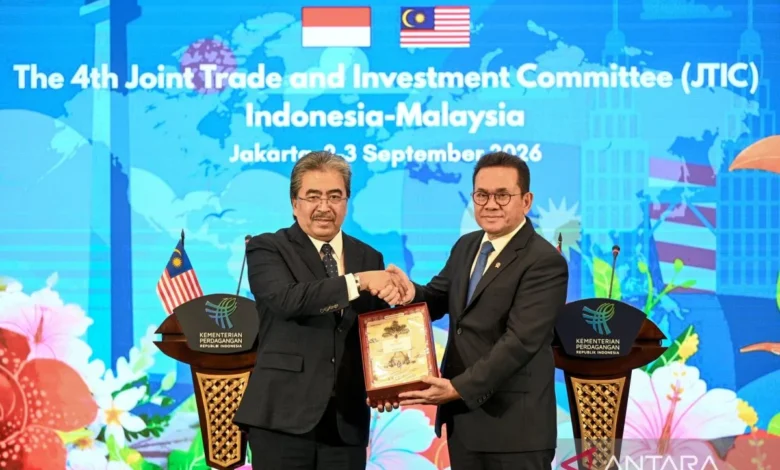
Bilateral cooperation serves as the fundamental bedrock of international relations, acting as a structured mechanism through which two sovereign nations pursue shared interests and address common challenges. By fostering direct engagement, these partnerships enable countries to transcend geopolitical boundaries, creating synergies that span the critical sectors of economy, politics, defense, education, and technological innovation. For Indonesia, an archipelagic nation with a strategic position at the crossroads of global trade routes, the practice of bilateralism is not merely a diplomatic choice but a proactive strategy to secure national interests in an increasingly multipolar world.
Defining the Mechanics of Bilateralism
At its core, bilateral cooperation is defined by the direct interaction between two distinct entities. Unlike multilateralism—which involves complex negotiations among numerous states or international organizations—bilateralism offers a streamlined approach. It allows for highly customized agreements, such as Memorandums of Understanding (MoUs), strategic partnerships, and recurring ministerial dialogues that are tailored to the specific needs and complementarities of the two participating countries.
The strength of bilateral engagement lies in its agility. When two nations identify a mutual benefit—be it a trade deficit that needs balancing, a security concern along a shared maritime border, or a technological gap requiring expertise—they can establish a framework for collaboration far more rapidly than is possible within larger, more bureaucratic multilateral forums.
Indonesia’s Diplomatic Landscape: A Statistical Overview
As of August 2025, Indonesia’s diplomatic footprint is expansive, reflecting a policy of "free and active" (bebas dan aktif) engagement. The Ministry of Foreign Affairs (Kemlu) reports that Indonesia currently maintains formal bilateral cooperation agreements with 162 nations and one special territory. This global network is a testament to Indonesia’s commitment to building a web of interdependencies that stabilize its economy and enhance its regional influence.
From the G20 giants to emerging markets in Africa and the Pacific, these relationships are structured to leverage Indonesia’s vast natural resources and growing demographic dividend. Data indicates that these 162 relationships are not monolithic; they are categorized by regional priority, sector-specific focus, and the maturity of the diplomatic relationship.
Core Objectives of Bilateral Engagement
The pursuit of bilateral ties is driven by six primary strategic objectives that sustain the national interest:
- Strengthening Diplomatic Resilience: Regular bilateral contact creates a cushion for diplomacy. By fostering personal rapport between state leaders and regular communication between foreign ministries, countries can resolve minor disputes before they escalate into major crises.
- Economic Integration and Growth: Through Free Trade Agreements (FTAs) and investment pacts, bilateralism facilitates the flow of capital and goods. These agreements often include provisions for regulatory alignment, which significantly lowers the cost of doing business.
- Human Capital Development: Through academic exchange programs, vocational training, and scholarships, nations invest in their future workforce. These "people-to-people" connections are essential for long-term cultural and economic ties.
- Technological Sovereignty and Transfer: Collaboration in R&D and industrial innovation allows developing nations to leapfrog traditional development stages. By partnering with technologically advanced nations, Indonesia continues to enhance its digital and industrial infrastructure.
- Collective Security and Stability: Bilateral defense pacts, joint military exercises, and intelligence-sharing agreements regarding transnational crime, terrorism, and maritime piracy remain vital for regional security.
- Cultural and Social Soft Power: Cultural exchange programs, arts festivals, and tourism promotion initiatives serve as a diplomatic soft-power tool, creating public goodwill and fostering cross-cultural understanding.
Case Studies in Modern Diplomacy
Indonesia’s diplomatic history provides several benchmarks for how bilateralism adapts to changing global needs.
The Indonesia-Netherlands Model
The partnership with the Netherlands is a prime example of an evolving relationship that has transitioned from historical complexity to modern, forward-looking cooperation. Current agreements focus heavily on climate change mitigation, sustainable water management, and technological innovation. By leveraging Dutch expertise in maritime engineering and agriculture, Indonesia addresses domestic infrastructure challenges while providing the Netherlands with access to a vibrant, growing economy.
The Papua New Guinea (PNG) Strategic Dialogue
The relationship with Papua New Guinea serves as a model for regional stability. Since 2022, the "Annual Leaders’ Dialogue" has institutionalized communication between Jakarta and Port Moresby. This mechanism covers not only trade and investment but also border management, human security, and public health, demonstrating how neighboring countries can manage complex borders through high-level transparency.
Bilateral vs. Multilateral: A Necessary Complement
While bilateralism offers specificity, it does not exist in a vacuum. The global order requires multilateral institutions—such as ASEAN, the UN, and the WTO—to set universal standards. However, the rise of "minilateralism" and robust bilateralism indicates that nations are increasingly prioritizing the efficiency of two-way deals.
For instance, while Indonesia is a key player in ASEAN, it simultaneously maintains individual bilateral strategic partnerships with every major power, including the United States, China, Japan, and India. This allows Indonesia to navigate the "great power competition" by maintaining equidistant relationships, ensuring that it is not overly reliant on any single bloc. This duality—participating in multilateral forums while solidifying bilateral foundations—is the hallmark of modern Indonesian statecraft.
Challenges and Future Implications
Despite the benefits, bilateralism faces challenges in an era of protectionism and supply chain disruptions. Negotiating a fair bilateral agreement requires significant administrative capacity and legal expertise. Furthermore, as global issues like climate change, pandemic preparedness, and cyber security become increasingly interconnected, the limitations of bilateralism become evident. A bilateral agreement on emissions, for example, can only be truly effective if it is integrated into broader international standards.
Looking ahead, the evolution of Indonesia’s bilateral strategy is expected to focus on "green diplomacy." As the world transitions toward renewable energy, Indonesia is already seeking bilateral partners for battery mineral processing and carbon credit markets. These future-oriented partnerships will define the next decade of Indonesia’s international standing.
Conclusion: The Strategic Necessity of Engagement
In summary, bilateral cooperation remains the most reliable vehicle for national progress in the international arena. For Indonesia, the ability to maintain 162 unique partnerships requires a sophisticated, agile, and well-resourced foreign policy apparatus. By continuing to refine its bilateral strategies, prioritizing economic and technological synergies, and maintaining its commitment to regional stability, Indonesia secures its position as a central, stabilizing force in the Indo-Pacific region.
As the international landscape continues to shift, the lessons learned from established partnerships—such as the consistency of the Annual Leaders’ Dialogue with PNG or the technical depth of the Dutch relationship—will serve as a roadmap for future diplomacy. Bilateralism, in all its forms, remains the primary instrument through which Indonesia translates its domestic aspirations into global reality, ensuring that its voice is heard and its interests are protected in the halls of power worldwide.
Related posts: