Toyota Expands Vocational Training Program to Lombok, Donating Automotive Engines to Vocational Schools

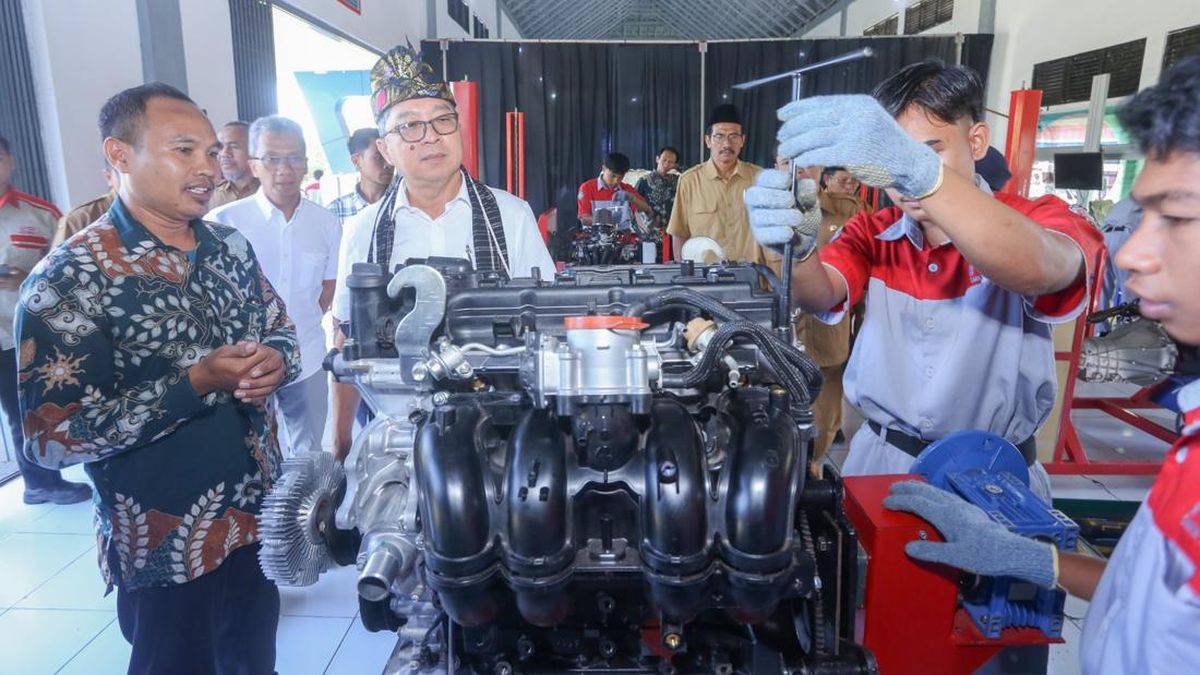
Toyota Motor Manufacturing Indonesia (TMMIN) has significantly expanded its vocational school training program by extending its reach to the island of Lombok, West Nusa Tenggara (NTB). This initiative aims to bolster the practical skills of automotive students by providing essential learning tools. In its latest contribution, the company has donated two complete automobile engines to two vocational high schools (SMKs) in Lombok, marking a substantial step in enhancing the quality of automotive education in the region.
The educational support has been directed to two key institutions: SMKN 1 Jonggat in Central Lombok and SMKN 2 Kuripan in West Lombok. Each school has received a vital piece of automotive technology: SMKN 1 Jonggat has been equipped with a gasoline engine, specifically the 2TR model, while SMKN 2 Kuripan has received a diesel engine, the 2GD model. These engines are slated to be utilized as practical training equipment and instructional aids, bridging the gap between theoretical learning and real-world automotive applications.
Investing in the Future Workforce: TMMIN’s Commitment to Vocational Education
The expansion of TMMIN’s vocational education program into Lombok underscores the company’s broader commitment to Corporate Social Responsibility (CSR) in the education sector. According to Nandi Julyanto, President of TMMIN, the enhancement of vocational education quality is a collective effort that requires active participation from various stakeholders, including industry players.
"This step may seem simple, but we hope it can become part of their journey to grow, to work, and to contribute in their respective regions," stated Nandi Julyanto during the handover ceremony for the educational equipment. This sentiment highlights TMMIN’s vision of empowering students with the skills and knowledge necessary for them to become valuable assets in their local economies.
The provision of practical learning tools is a cornerstone of TMMIN’s strategy to strengthen students’ technical competencies. By offering equipment that mirrors industrial standards, the company aims to provide a learning experience that is closely aligned with the demands of the automotive industry. This approach ensures that graduates are not only academically prepared but also practically proficient, ready to contribute from day one in a professional setting.
A Holistic Approach: The Vocational School Development Program
Beyond the donation of engines, TMMIN’s engagement with vocational schools extends to a comprehensive program known as Vocational School Development. This initiative, which has been implemented in several beneficiary schools, encompasses a range of activities designed to foster a more industry-relevant educational environment.
Key components of the Vocational School Development program include:
- Industry-Based Curriculum Development: Collaborating with schools to update and refine curricula, ensuring that the learning content is aligned with current industry needs and technological advancements.
- Provision of Learning Aids: Supplying schools with a variety of educational resources and tools, including simulators, diagnostic equipment, and specialized manuals, to enhance the learning experience.
- Industrial Work Culture Implementation: Introducing and fostering an industrial work ethic within the school environment, emphasizing discipline, teamwork, safety, and efficiency – principles crucial for success in the professional world.
Nandi Julyanto further emphasized the critical role of collaboration between educational institutions and the industry in elevating the competitiveness of vocational graduates. "Schools prepare their competencies, and industry helps shape them. TMMIN wants to be a part of that process," he articulated in a written statement. This symbiotic relationship is seen as essential for producing graduates who are not only skilled but also adaptable and well-rounded individuals prepared for the dynamic nature of the automotive sector.
Expanding Reach: From Java to Lombok
The initiative in Lombok represents a significant expansion for TMMIN’s vocational education outreach. Prior to this, the company’s successful vocational training programs had already been established across various regions, notably supporting 29 vocational schools primarily located throughout the island of Java.
The strategic decision to extend the program to West Nusa Tenggara signifies TMMIN’s commitment to democratizing access to advanced learning facilities. The move aims to deepen the connection between vocational schools in NTB and learning resources that are in sync with the evolving requirements of the automotive industry. This expansion is crucial for fostering a skilled workforce that can support the growth and development of the automotive sector not just in Java, but across other key regions of Indonesia.
The Broader Impact: Addressing Skill Gaps and Economic Growth
The expansion of TMMIN’s vocational training program to Lombok carries significant implications for both the students and the broader economic landscape of the region. By providing access to modern automotive engines and industry-aligned training methodologies, TMMIN is directly addressing critical skill gaps that often hinder the employability of vocational graduates.
Supporting Data and Context:
Indonesia’s automotive industry is a significant contributor to the national economy, with a growing demand for skilled technicians and mechanics. According to data from the Indonesian Automotive Industry Association (Gaikindo), vehicle sales in Indonesia have shown a consistent upward trend over the years, driving the need for a robust after-sales service network. This, in turn, necessitates a continuous supply of well-trained professionals.
Furthermore, vocational education plays a pivotal role in the Indonesian government’s strategy to reduce unemployment and improve the quality of the workforce. The "link and match" program, a government initiative aimed at aligning vocational education with industry needs, emphasizes the importance of partnerships like the one TMMIN is fostering.
The presence of a well-trained automotive workforce can attract further investment in the automotive sector, including manufacturing, repair services, and component suppliers. This can lead to job creation and economic diversification within regions like Lombok, which are actively seeking to develop their industrial capabilities.
Timeline and Chronology of TMMIN’s Vocational Education Efforts:
While the specific timeline for the inception of TMMIN’s vocational training program is not detailed in the provided text, its expansion to Lombok marks a recent milestone. The program has likely evolved over several years, building on successful implementations in Java. The initial phase likely involved establishing partnerships with a select number of schools, followed by a gradual increase in the number of beneficiary institutions and the scope of support provided. The extension to Lombok can be viewed as a strategic phase of national-scale expansion, aiming to replicate successful models in new geographical areas.
Potential Reactions and Inferred Statements from Related Parties:
- Local Government Officials (NTB): It is reasonable to infer that local government officials in West Nusa Tenggara would welcome TMMIN’s initiative. They likely see it as a valuable contribution to the region’s educational infrastructure and economic development. A statement might express gratitude for the investment in their youth and highlight how this program aligns with regional development goals. They might also emphasize the importance of such partnerships in creating a skilled workforce for emerging local industries.
- School Principals and Educators: The principals and teachers at SMKN 1 Jonggat and SMKN 2 Kuripan would undoubtedly express enthusiasm and appreciation. They would likely highlight the immediate benefits for their students, providing them with hands-on experience with modern machinery that might otherwise be inaccessible. They might also speak about the enhanced teaching capabilities and the improved reputation of their schools as a result of this support.
- Students: Students at the beneficiary schools would likely be excited about the opportunity to work with real automotive engines. This practical exposure would offer them a significant advantage in their future careers. They might express their eagerness to learn and their aspirations to work in the automotive industry, confident that their training is now more relevant and advanced.
- Industry Experts and Analysts: Observers of the Indonesian automotive sector might view TMMIN’s initiative as a positive and proactive step. They might analyze its potential impact on the quality of automotive technicians entering the workforce and its contribution to addressing the industry’s skill demands. Such analysis could point to the long-term benefits of such CSR programs in fostering a sustainable and competitive industry.
Analysis of Implications:
The expansion of TMMIN’s vocational training program to Lombok has several key implications:
- Enhanced Employability of Graduates: Students in Lombok will receive training that is more aligned with industry standards, significantly improving their chances of securing employment in the automotive sector, both locally and potentially in larger urban centers.
- Regional Economic Development: By fostering a more skilled workforce, the program can contribute to the economic growth of Lombok. This could include supporting the development of local automotive repair shops, service centers, and potentially attracting further investment in related industries.
- Bridging the Urban-Rural Divide in Education: This initiative helps to bridge the educational resource gap between urban centers, where such advanced training facilities are more common, and more remote regions like Lombok.
- Strengthening TMMIN’s Brand and Reputation: Such CSR initiatives reinforce TMMIN’s image as a socially responsible corporate citizen, committed to contributing to the development of Indonesia’s human capital and its industrial future.
- Setting a Precedent for Other Industries: The success of TMMIN’s model could inspire other large industries operating in Indonesia to adopt similar approaches to vocational training, leading to a broader positive impact on the national education system and workforce development.
In conclusion, TMMIN’s strategic expansion of its vocational training program to Lombok, marked by the donation of automotive engines, is a commendable initiative. It not only provides tangible resources for educational enhancement but also signifies a deeper commitment to nurturing the next generation of automotive professionals. This program is poised to make a lasting positive impact on the students, the educational institutions, and the broader economic development of West Nusa Tenggara, aligning with national objectives for skill development and industrial growth.