Routine maintenance is a cornerstone of ensuring automatic motorcycles, or "matic" bikes, maintain their peak performance. Beyond regular engine oil changes and scheduled servicing, riders must not overlook the importance of maintaining the Continuously Variable Transmission (CVT) system, the central component of automatic transmission in these popular vehicles. The CVT’s diligent operation, transferring engine power to the rear wheel for seamless, gear-shift-free acceleration, means its internal parts, including the V-belt, rollers, clutch shoes, and pulleys, inevitably experience wear and tear over time. Neglecting periodic CVT upkeep can lead to a decline in performance, directly impacting both rider comfort and safety. Understanding the tell-tale signs that indicate a CVT requires servicing is therefore paramount for every automatic motorcycle owner.
Understanding the Mechanics of CVT and Its Importance
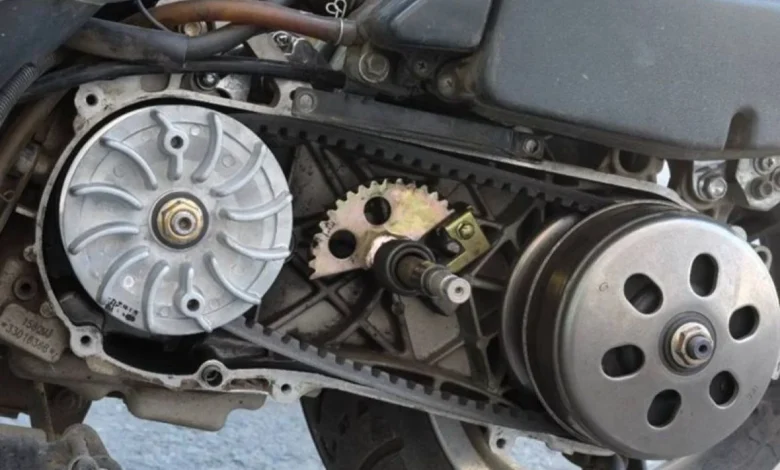
The CVT system is the heart of the automatic transmission in modern motorcycles. Unlike traditional manual transmissions that require the rider to manually select gears, the CVT continuously adjusts its gear ratio to provide the optimal engine speed for any given riding condition. This is achieved through a sophisticated interplay of components. At its core, the CVT utilizes a V-belt, a strong rubber belt reinforced with internal cords, that runs between two variable-diameter pulleys. One pulley is connected to the engine’s crankshaft, and the other to the rear wheel’s final drive.
When the engine starts, the drive pulley is at its smallest diameter, and the driven pulley is at its largest. As the engine speed increases, centrifugal force pushes the two halves of the drive pulley closer together, forcing the V-belt to ride higher on the pulley, thus increasing its diameter. Simultaneously, the driven pulley’s halves move apart, decreasing its diameter and allowing the V-belt to ride lower. This continuous adjustment of pulley diameters effectively creates an infinite number of gear ratios, allowing the engine to operate within its most efficient power band for smooth acceleration and optimal fuel consumption.
The key components within the CVT system that are subject to wear include:
- V-belt: This is the primary power transfer medium. It’s made of durable rubber compounds but is subjected to immense tension and friction, leading to stretching, cracking, or fraying over time.
- Rollers: Located within the drive pulley assembly, these weighted rollers move outwards due to centrifugal force as engine RPM increases. Their smooth movement is crucial for accurate ratio changes. Wear on the rollers or their housing can lead to uneven acceleration and vibrations.
- Clutch Shoes (Kampas Kopling): These engage and disengage the transmission at low speeds and during acceleration. Friction material on the shoes wears down with use, similar to brake pads.
- Clutch Housing (Mangkuk Kopling): This component rotates with the clutch shoes and is also subject to friction.
- Pulleys (Drive and Driven): The surfaces of the pulleys where the V-belt runs can develop wear marks or grooves, affecting the belt’s grip and the smoothness of ratio changes.
Given this intricate and constantly working mechanism, regular inspections and maintenance are not merely recommended but essential for preventing costly repairs and ensuring rider safety.
Recognizing the Warning Signs: Eight Indicators for CVT Servicing
The following eight indicators, compiled from expert advice and common rider experiences, signal that your automatic motorcycle’s CVT is due for an inspection and potential servicing:
1. Reaching Scheduled Service Mileage
The most straightforward and proactive approach to CVT maintenance is adhering to the manufacturer’s recommended service intervals. Generally, most motorcycle manufacturers advise a CVT service every 8,000 to 10,000 kilometers (approximately 5,000 to 6,200 miles). During these scheduled services, technicians typically perform a thorough cleaning of the CVT housing and meticulously inspect the condition of critical components such as the rollers, V-belt, clutch shoes, clutch housing, and pulleys. However, it is crucial to note that service intervals can vary significantly between different motorcycle brands and models. Therefore, owners should always consult their vehicle’s owner’s manual or service book for the precise maintenance schedule recommended by the manufacturer. This proactive approach helps prevent minor issues from escalating into major problems.
2. High-Intensity Usage Patterns
Motorcycles that are used extensively on a daily basis, covering long distances, or frequently navigating congested urban traffic conditions, often necessitate more frequent CVT servicing. Such demanding usage places a greater workload on the CVT components, accelerating their wear and tear. In scenarios characterized by high-intensity use, a CVT inspection might be advisable as early as every 5,000 kilometers (approximately 3,100 miles), or as recommended by your trusted mechanic or the motorcycle manufacturer. This is because the constant stop-and-go traffic, prolonged idling, and frequent acceleration and deceleration cycles put continuous stress on the CVT’s moving parts, leading to quicker degradation than in vehicles used for more leisurely riding.
3. Unusual Noises Emanating from the CVT Area
A well-maintained CVT system operates with remarkable quietness and smoothness. However, any deviation from this expected silence can be a significant warning sign. The emergence of unusual sounds from the CVT area—such as a persistent squeaking, a high-pitched whining, a rough grinding noise, or any other unfamiliar auditory anomaly—could indicate that one or more internal components are experiencing wear or damage. These sounds might originate from worn clutch shoes that are not engaging properly, loose or damaged rollers, worn bearings within the pulley system, or even a V-belt that has lost its integrity and is slipping or rubbing. Prompt investigation of these noises is crucial to identify the root cause and prevent further damage.
4. Vibrations During Acceleration
Experiencing abnormal vibrations when the throttle is applied is another critical indicator of a potential issue within the CVT system. These unsettling vibrations are often most noticeable when the motorcycle is starting from a standstill or during the initial stages of acceleration. The underlying cause of such vibrations can be multifaceted, potentially stemming from worn or flattened rollers that are not moving freely within their guides, uneven wear on the clutch shoes preventing a smooth engagement, or a V-belt that has become loose, frayed, or has developed an inconsistent profile, leading to a jerky power delivery. If left unaddressed, these vibrations can intensify over time, significantly diminishing the riding experience and potentially leading to more severe component damage.
5. A Noticeable Sluggishness in Acceleration
A decline in the motorcycle’s overall performance, particularly a perceived sluggishness during acceleration, can be a direct consequence of CVT problems. If your motorcycle feels heavier than usual when you twist the throttle, exhibits reduced power output, or responds sluggishly to throttle inputs, it’s a strong possibility that the engine’s power is not being transmitted efficiently to the rear wheel. This inefficiency often arises from worn CVT components that are no longer able to maintain optimal engagement or provide the correct ratio adjustments. For instance, a stretched V-belt might slip, or worn pulleys might not achieve the optimal diameter changes, leading to a loss of power and a feeling of lethargy.
6. Difficulty Starting the Motorcycle
While difficulty in starting a motorcycle can be attributed to a variety of issues, including a weak battery or problems with the electrical system, it can also be linked to an underperforming CVT. In typical operating conditions, automatic motorcycles should start up readily. If you find yourself struggling to ignite the engine, especially if accompanied by sounds of the engine cranking weakly or laboring, it’s worth considering the CVT’s condition. A CVT that is not disengaging properly or has internal friction issues might create drag on the engine, making it harder to turn over. Therefore, alongside checking other common starting culprits, a CVT inspection should be part of the diagnostic process.
7. Increased Fuel Consumption
A compromised CVT system can directly impact the motorcycle’s fuel efficiency. When the transmission is not able to transfer power to the wheels effectively, the engine must work harder and rev higher to achieve the desired speed or acceleration. This increased engine workload translates directly into a higher demand for fuel. Consequently, if you notice a significant and unexplained increase in your motorcycle’s fuel consumption—meaning it’s becoming "boros" or more wasteful with fuel than it used to be—a thorough examination of the CVT’s condition is a logical and necessary step in identifying the cause. This is because an inefficient CVT can lead to the engine operating outside its optimal fuel-saving range.
8. Illuminated CVT Indicator Light
Modern automatic motorcycles are increasingly equipped with advanced diagnostic systems, including dedicated indicator lights on the instrument panel specifically designed to alert the rider to potential issues within the CVT system. If this particular indicator light illuminates while you are riding or upon starting the motorcycle, it signifies that the vehicle’s onboard computer has detected a fault or anomaly within the CVT. Such a warning light should never be ignored. It serves as a direct signal from the motorcycle’s systems that attention is required. The immediate course of action should be to take the motorcycle to an authorized dealership or a reputable, trusted mechanic for a professional diagnosis and appropriate repair.
The Broader Implications of Neglecting CVT Maintenance
The implications of neglecting regular CVT maintenance extend far beyond mere inconvenience. A poorly performing CVT can lead to a cascade of problems, affecting not only the immediate riding experience but also the long-term health and value of the motorcycle.
Safety Concerns: A failing CVT can manifest in unpredictable ways, such as sudden loss of power during overtaking maneuvers, delayed acceleration in critical situations, or even unexpected deceleration. These performance issues can significantly compromise rider safety, increasing the risk of accidents, particularly in heavy traffic or at higher speeds. The inability of the transmission to smoothly and reliably deliver power means the rider may not be able to react adequately to changing road conditions or the actions of other vehicles.
Increased Repair Costs: Small issues within the CVT, if left unaddressed, can quickly escalate into more significant and costly problems. For instance, a worn V-belt that begins to fray can eventually snap, potentially causing severe damage to other internal CVT components like the pulleys and housing. Similarly, a roller that has seized or become damaged can score the interior of the pulley or damage the belt. Addressing these issues early through routine servicing, which typically involves cleaning and minor adjustments or replacements, is considerably less expensive than repairing or replacing major CVT components after a catastrophic failure.
Reduced Resale Value: Motorcycles with a well-documented history of regular maintenance, including CVT servicing, generally command a higher resale value. Potential buyers are more inclined to invest in a pre-owned vehicle that they know has been properly cared for, as it suggests a reduced likelihood of immediate mechanical problems. Conversely, a motorcycle with a neglected maintenance record, especially concerning critical systems like the CVT, may deter buyers and necessitate a lower asking price.
Environmental Impact: While perhaps less immediately apparent, an inefficient CVT can also have an environmental impact. As previously discussed, a poorly functioning CVT leads to increased fuel consumption. Burning more fuel not only results in higher running costs for the owner but also contributes to increased emissions, including greenhouse gases and other pollutants, into the atmosphere. Maintaining optimal engine and transmission efficiency is therefore also a step towards more environmentally responsible motorcycling.
Proactive Maintenance: A Strategy for Longevity
The overarching message from motorcycle experts and manufacturers alike is clear: proactive maintenance is the most effective strategy for ensuring the longevity and optimal performance of any automatic motorcycle. This proactive approach involves several key elements:
- Adherence to Service Schedules: As emphasized, strictly following the manufacturer’s recommended service intervals for both general maintenance and specific CVT checks is fundamental. This forms the bedrock of a reliable maintenance plan.
- Quality Parts and Fluids: When servicing or replacing components, always opt for genuine or high-quality aftermarket parts and lubricants. Using inferior products can lead to premature wear and compromised performance, negating the benefits of regular maintenance.
- Choosing Reputable Workshops: Entrust your motorcycle’s maintenance to qualified and reputable mechanics or authorized service centers. Technicians with specialized knowledge of automatic transmission systems are better equipped to diagnose and resolve any emerging issues effectively.
- Rider Awareness: As outlined by the eight warning signs, being attuned to your motorcycle’s behavior—listening for unusual sounds, feeling for vibrations, and observing changes in performance—empowers you to identify potential problems early.
In conclusion, the CVT system is a sophisticated piece of engineering that demands regular attention. By understanding its function, recognizing the warning signs of wear, and committing to a routine maintenance schedule, automatic motorcycle owners can ensure their bikes remain reliable, efficient, and most importantly, safe to ride for years to come. The investment in timely CVT servicing is an investment in the overall performance, longevity, and enjoyment of your automatic motorcycle.