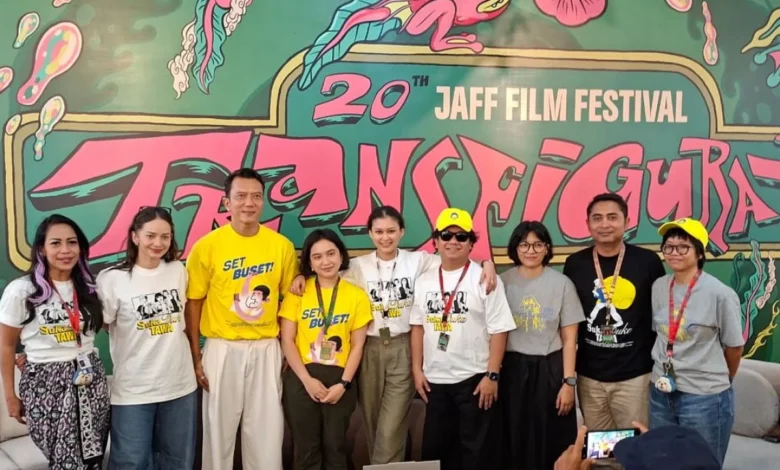
Jakarta, Indonesia – The Indonesian cinematic landscape is poised for a poignant yet humorous arrival as the new comedy-drama film, "Suka Duka Tawa" (The Joys and Sorrows of Laughter), is slated for a nationwide release in theaters across Indonesia on January 8, 2026. Positioned as an early-year cinematic offering, the film promises audiences a narrative that is both lighthearted and deeply meaningful, exploring the complexities of familial bonds through the lens of stand-up comedy.
Produced by the collaborative efforts of Bion Studios and Spasi Moving Image, "Suka Duka Tawa" marks a significant directorial debut for Aco Tenriyagelli in the feature film arena. The movie ventures into the drama-comedy genre, centering its narrative on a fractured family relationship riddled with emotional turmoil. The ensemble cast, comprising a constellation of Indonesia’s most recognized actors and actresses, further elevates anticipation for the film, signaling its potential to capture significant audience attention. This report aims to provide a comprehensive overview of the film’s plot and the distinguished individuals who bring its story to life.
Unraveling the Narrative: A Synopsis of "Suka Duka Tawa"
At the heart of "Suka Duka Tawa" lies the compelling journey of Tawa, a burgeoning female stand-up comedian brought to life by the acclaimed performance of Rachel Amanda. Tawa’s career is depicted at its zenith, a testament to her authentic and relatable stand-up material. Her comedic prowess is significantly fueled by her willingness to mine her own past for material, particularly the painful experiences stemming from a strained relationship with her father.
The paternal figure in Tawa’s life is Pak Keset, portrayed by the seasoned actor Teuku Rifnu Wikana. Pak Keset is an established comedian from an earlier generation, whose past decision to leave his family has left a void in Tawa’s life since her childhood. The narrative introduces a layer of dramatic irony as Tawa’s popularity skyrockets precisely because she candidly uses her difficult past with her father as fodder for her comedy. Concurrently, Pak Keset’s own career has waned, leaving him on the precipice of being forgotten.
Fate orchestrates a reunion between father and daughter in an atmosphere fraught with awkwardness and unresolved tension. Despite the painful history that separates them, Pak Keset makes the conscious decision to support his daughter’s burgeoning career. This support extends to a willingness to revisit old wounds and transform them into material for Tawa’s stage performances.
Over time, the emotional distance between father and daughter begins to diminish. Tawa starts to experience the presence of the father figure she had long been deprived of, and the lingering pain of the past gradually transforms into a cathartic release through laughter.
During this process, Tawa gains a deeper understanding of her father’s multifaceted nature, recognizing his vulnerabilities, his regrets, and the unspoken affection he harbors. This emotional evolution is further enriched by the presence of Tawa’s supportive circle of friends – a unique, humorous, and deeply empathetic group. Through their shared experiences and conversations, Tawa learns a vital lesson: that pain does not necessitate perpetual concealment. Instead, it can be acknowledged, articulated, and ultimately transmuted into laughter. This laughter, the film suggests, is not a mockery of suffering, but a testament to resilience, a pathway to reconciliation, and a catalyst for personal growth.
A Stellar Ensemble: The Cast of "Suka Duka Tawa"
The film boasts a formidable cast, with Rachel Amanda and Teuku Rifnu Wikana taking center stage, supported by the impactful presence of Marissa Anita in a pivotal role. The ensemble is further bolstered by a roster of popular Indonesian actors and actresses, including Myesha Lin, Bintang Emon, Enzy Storia, Arif Brata, and Gilang Bhaskara. Each performer is set to contribute their unique blend of humor and emotional depth, promising a rich and engaging cinematic experience.
Production Background and Industry Context
The production of "Suka Duka Tawa" by Bion Studios and Spasi Moving Image comes at a time when Indonesian cinema is increasingly exploring diverse genres and narratives. The rise of stand-up comedy as a popular entertainment form, both live and through various media platforms, provides a fertile ground for storytelling. Films that delve into the personal lives of comedians and the often-painful origins of their material resonate with audiences who appreciate authenticity and vulnerability.
Aco Tenriyagelli’s directorial debut in feature films is a noteworthy event. His transition from potentially shorter formats or other areas of filmmaking into a full-length narrative suggests a deliberate artistic vision. The choice to focus on a drama-comedy genre, particularly one that tackles complex family dynamics, aligns with a growing trend in both international and Indonesian cinema to blend humor with profound emotional themes. This approach often leads to more relatable and impactful storytelling.
Anticipated Release and Audience Reception
The announcement of a January 8, 2026 release date positions "Suka Duka Tawa" as a significant film for the early part of the year. The holiday season leading up to January often sees a surge in cinema attendance, and a film offering both humor and emotional depth is likely to appeal to a broad demographic. Industry analysts will be closely watching the film’s box office performance as an indicator of audience appetite for such thematic explorations.
The film’s marketing strategy, likely to leverage social media platforms and promotional events, will be crucial in building anticipation. Given the subject matter, early buzz suggests that the film will aim to connect with audiences on an emotional level, encouraging discussions about family, healing, and the power of humor as a coping mechanism.
Broader Implications and Cultural Resonance
"Suka Duka Tawa" has the potential to contribute to a broader cultural conversation in Indonesia regarding mental health, familial relationships, and the often-unseen struggles behind public personas. The film’s exploration of how personal pain can be transformed into a source of strength and connection offers a hopeful and empowering message.
Furthermore, the film’s focus on stand-up comedy as a narrative vehicle highlights the growing cultural significance of this art form in Indonesia. Stand-up comedians often serve as social commentators, using their platforms to address societal issues, personal experiences, and universal human emotions. By featuring a comedian as its protagonist, "Suka Duka Tawa" not only entertains but also potentially elevates the appreciation for the craft of comedy and the courage it takes to be vulnerable in public.
The involvement of established actors like Rachel Amanda, Teuku Rifnu Wikana, and Marissa Anita, alongside popular younger talents such as Bintang Emon and Enzy Storia, ensures a wide reach and diverse appeal. Their collective ability to convey both comedic timing and dramatic nuance will be instrumental in the film’s success.
Conclusion
As January 8, 2026, draws nearer, "Suka Duka Tawa" stands as a promising cinematic event that aims to entertain, provoke thought, and perhaps even heal. Its blend of relatable human drama and the infectious nature of comedy, set against the backdrop of evolving family dynamics, positions it as a film that could leave a lasting impression on Indonesian audiences. The directorial vision of Aco Tenriyagelli, coupled with a stellar cast and a compelling narrative, suggests that "Suka Duka Tawa" will be more than just a movie; it will be an experience that resonates with the joys and sorrows inherent in the human condition.
Pewarta: Sean Anggiatheda Sitorus
Editor: Alviansyah Pasaribu
Copyright © ANTARA 2026
Dilarang keras mengambil konten, melakukan crawling atau pengindeksan otomatis untuk AI di situs web ini tanpa izin tertulis dari Kantor Berita ANTARA.