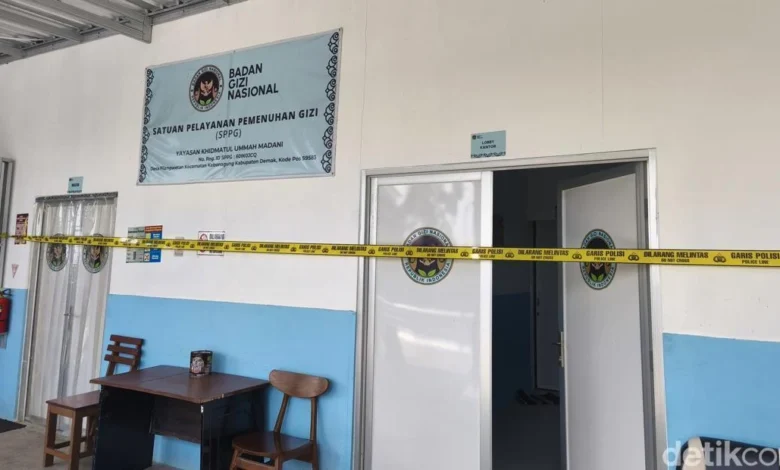
Demak, Indonesia – A concerning wave of suspected food poisoning has prompted the Demak District Health Office (Dinkesda) to issue a stern advisory against serving nasi goreng (fried rice) within its free nutritious meal program (MBG). This decisive action follows an incident where hundreds of individuals, including santri (Islamic boarding school students), breastfeeding mothers, and toddlers, allegedly fell ill after consuming meals provided by the SPPG Yayasan Khidmatul Ummah Madani in Pilangwetan Village, Kebonagung District, Demak Regency, on Saturday, April 18, 2026.
The meal in question reportedly consisted of nasi goreng, fried egg, tofu, pickles, oranges, and a box of milk. The widespread nature of the alleged poisoning has raised significant alarm within the community and among health authorities.
Official Stance and Dietary Recommendations
The Head of Dinkesda Demak, Ali Maimun, stated on Monday, April 20, 2026, that nasi goreng has been identified by the National Nutrition Agency (BGN) as a dish that is frequently associated with such incidents. "The BGN has conveyed that fried rice is indeed often a cause for such occurrences," Ali Maimun explained, differentiating it from their official designation of "suspected food poisoning."
During an inspection of the SPPG facility, Ali Maimun noted that the kitchen managers and nutritionists at Yayasan Khidmatul Ummah admitted to not being fully aware of the specific dietary restrictions concerning nasi goreng within the MBG program. "I further inquired with the nutrition officers and the SPPI (Sarjana Penggerak Pembangunan Indonesia – Indonesian Development Mover Scholar) there, and they were not yet informed that fried rice is a dish that requires extreme caution when prepared, especially if there isn’t a certified expert chef present," Ali Maimun elaborated.
Beyond nasi goreng, Dinkesda Demak has also flagged other rice-based dishes that pose a high risk of spoilage and are therefore discouraged for the MBG program. These include nasi kuning (yellow rice), nasi liwet (a savory rice dish), and nasi uduk (coconut rice). "There are several menus that have actually been warned against, if possible, not to be served (for MBG)," Ali Maimun stated. "These include fried rice, yellow rice, liwet rice, coconut rice, those cooked with coconut milk that spoil quickly. There have been warnings already." The underlying concern with these dishes is their susceptibility to rapid spoilage, particularly in the tropical climate of Indonesia, and the potential for bacterial growth if not handled and stored with utmost precision.
Facility Assessment and Operational Context
The Dinkesda’s inspection was comprehensive, evaluating not only the menu but also the overall layout and food processing workflow at the SPPG. The assessment covered the entire chain of food preparation, from receiving raw materials to distribution. "Starting from the receiving area for goods, the processing area, then the cooking area, the portioning area, and then to the vehicles for transport to schools. So, the locations, the layout, the flow were assessed," Ali Maimun reported.
He further confirmed that the facility adheres to standard practices for water usage, utilizing water from Mount Ungaran for both cooking and drinking. Raw materials were also reportedly sourced daily, with ingredients for the next day’s cooking arriving in the afternoon, minimizing the need for extended storage. "The raw materials are also daily, for example, if fried rice is to be cooked tomorrow, the raw materials arrive this afternoon, there are no excess stocks stored," he added.
The SPPG itself is a relatively new facility, having commenced operations in February 2026. Its proximity to the Tuntang River embankment is noteworthy, as the facility had also been affected by flooding. "It’s a new building, so it’s not an old building that was adapted to the BGN layout. If I’m not mistaken, it started operating in February, then it was affected by floods, then there was a break for fasting and Eid," Ali Maimun recounted, providing context for the facility’s operational history.
Chronology of the Incident and Victim Count
The initial reports of the alleged poisoning emerged on Saturday, April 18, 2026, following the distribution of the MBG meals. By Monday, April 20, 2026, the Demak District Health Office had recorded a significant number of affected individuals.
According to Ali Maimun, a total of 134 people had received medical attention across various health facilities. Of these, 68 patients were admitted for inpatient care, while 66 received outpatient treatment. The majority of the victims were students from Islamic boarding schools in the Pilangwetan area, including Pesantren Asnawiyyah, Pesantren Bustanul Quran, and Pesantren Hidayatul Mubtadiin. Cases were also reported from Solowire and Prigi villages.
The affected individuals were dispersed across several hospitals and community health centers (puskesmas) in both Demak and Grobogan regencies. Ali Maimun assured the public that the condition of the hospitalized patients was stable and manageable. "Alhamdulillah, no one is in serious condition. We have not received any reports of serious cases. So, they are still manageable and can be well-controlled," he stated.
Recommendations and Future Prevention
In response to the mass poisoning incident, Dinkesda Demak has outlined a series of corrective measures for the SPPG Yayasan Khidmatul Ummah Madani. These recommendations encompass improvements in infrastructure, equipment, and strict adherence to Standard Operating Procedures (SOPs).
"The recommendations for improvement for the SPPG include facilities and infrastructure, the tools used, and compliance with SOPs," Ali Maimun stated. "Furthermore, regarding the menus that have been noted and flagged by the BGN as frequently causing prominent incidents, they should no longer be included in the menu, unless prepared by a certified chef."
This directive underscores the critical need for trained culinary professionals and stringent hygiene protocols within food service operations, especially those catering to vulnerable populations. The emphasis on certified chefs highlights the complex nature of food preparation, where subtle errors in handling ingredients, cooking temperatures, or cross-contamination can have severe health consequences.
Broader Implications and Food Safety Standards
The incident in Demak brings to the forefront the critical importance of robust food safety regulations and their effective implementation, particularly within government-supported nutrition programs. The MBG program aims to provide essential nutritional support to the community, and any failure in its execution can have devastating repercussions.
The alleged poisoning raises questions about the oversight mechanisms in place for such programs. While the SPPG is new and claims to follow daily sourcing of ingredients and use of standardized water, the incident suggests potential gaps in food handling, preparation, or storage practices. The fact that the SPPG is located near a river embankment and had previously experienced flooding also warrants further investigation into potential environmental contamination risks.
The BGN’s identification of nasi goreng as a high-risk menu item points to a broader concern regarding the preparation of certain dishes. The traditional method of preparing nasi goreng often involves cooking rice in advance and then frying it, which, if not done at sufficiently high temperatures or if the rice is stored improperly, can create an environment conducive to bacterial growth. Similarly, dishes cooked with coconut milk are prone to rapid spoilage.
The incident serves as a stark reminder for all food service providers, especially those involved in large-scale catering for vulnerable groups, to prioritize food safety training, implement rigorous hygiene practices, and adhere strictly to established dietary guidelines. The role of certified professionals in managing kitchens and food preparation processes cannot be overstated.
Furthermore, the incident highlights the need for continuous monitoring and evaluation of food safety standards within public nutrition programs. Regular unannounced inspections, comprehensive training programs for food handlers, and clear communication channels between health authorities and program implementers are essential to prevent future occurrences. The Demak District Health Office’s proactive stance in issuing advisories and recommendations is a crucial step towards safeguarding public health and ensuring the integrity of its nutrition initiatives. The focus now shifts to the effective implementation of these recommendations and the assurance that such a widespread health concern does not recur.