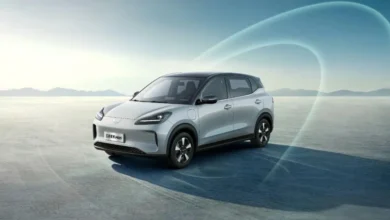
Changan Nevo Q05 Reimagines Daily Commuting Through Advanced Utility and Sustainable Innovation

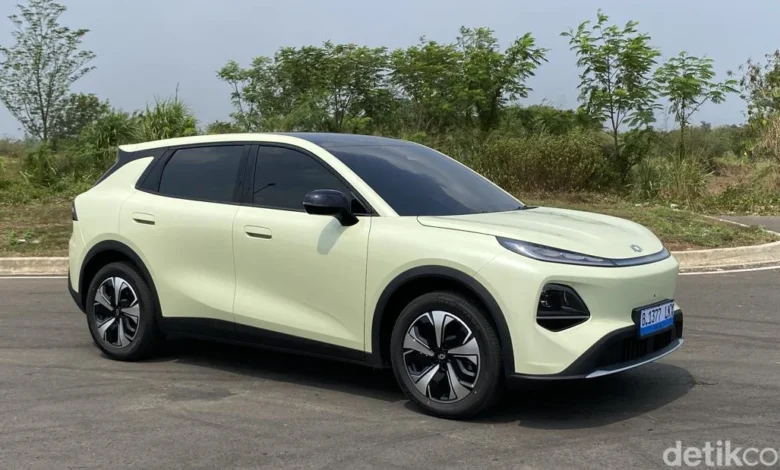
The landscape of the Indonesian automotive market is undergoing a seismic shift as electric vehicles (EVs) transition from luxury novelties to practical, everyday solutions. Standing at the forefront of this transformation is the Changan Nevo Q05, a compact SUV that has captured the attention of urban commuters by blending high-end digital architecture with pragmatic spatial design. Positioned in the highly competitive Rp300 million price bracket, the Nevo Q05 is not merely a statement of sustainable mobility; it is a meticulously engineered vehicle designed to address the specific pain points of modern, fast-paced living.
A New Standard for Practical Electric Mobility
For the contemporary driver, a vehicle is no longer just a mode of transportation but an extension of their digital and professional workspace. Changan, leveraging its global R&D capabilities, has integrated the Nevo Q05 with a robust technological suite. At the heart of the cockpit sits a 14.6-inch primary infotainment touchscreen, complemented by a 10.17-inch digital instrument cluster.
What distinguishes the Q05 from its peers is the processing power beneath the surface. Equipped with the MT8675 chipset—utilizing 7nm process technology—the system maintains high-speed responsiveness, eliminating the "lag" that often plagues legacy automotive infotainment systems. This technological prowess extends to user interaction; the vehicle features a sophisticated voice command system that functions in Bahasa Indonesia and operates without the need for cumbersome wake-word triggers. Furthermore, the integration of Apple CarPlay and Android Auto ensures seamless smartphone synchronization, while a proprietary Bluetooth Key system allows owners to manage vehicle access, diagnostic checks, and climate controls via a mobile application.
Spatial Optimization: The Engineering of Volume
The primary challenge in designing a compact SUV is maximizing internal volume without compromising the vehicle’s maneuverability in congested urban environments like Jakarta. The Changan Nevo Q05 tackles this through an intelligent layout. With a wheelbase of 2,735 mm—claimed to be the longest in its segment—the vehicle provides a class-leading 320 mm of rear-seat legroom.
The commitment to comfort is evident in the cabin’s architecture. The rear passenger area features a flat-floor design, ensuring that even a third passenger in the center seat enjoys adequate foot space during long-distance travel. Furthermore, the interior utilizes 80% soft-touch materials, elevating the tactile quality of the cabin, while a 1.8-square-meter panoramic roof mitigates the claustrophobia often associated with compact SUVs, creating an airy, premium atmosphere.
Regarding storage, the Q05 is designed for versatility. In its standard configuration, the rear cargo area offers 540 liters of capacity, sufficient for multiple medium-to-large suitcases or baby strollers. For those requiring more space, the 60:40-split folding rear seats expand the cargo volume to 1,380 liters, resulting in a near-flat surface. Adding to this is a hidden 90-liter storage compartment located beneath the trunk deck, perfect for security-sensitive items or emergency tools. With 27 distinct storage points throughout the cabin—ranging from deep door pockets to specialized smartphone compartments—the vehicle is purpose-built for the clutter of daily life.
Performance and Energy Efficiency
The Changan Nevo Q05 is powered by an electric drivetrain that balances output with energy conservation. It boasts a maximum power output of 120 kW and 190 Nm of torque, delivering a smooth, linear acceleration profile typical of electric motors. Its e-drive efficiency reaches 94%, with a power consumption rate of 12.9 kWh per 100 kilometers.
According to NEDC standards, the Q05 provides a range of up to 462 km on a single charge, which effectively covers both daily metropolitan commuting and occasional inter-city trips. To address range anxiety, Changan has implemented 3C Fast Charging technology. This system allows the battery to charge from 30% to 80% in just 15 minutes. For those in a hurry, a five-minute charge can add up to 100 km of range, a critical metric for busy professionals.
Moreover, the vehicle supports Vehicle-to-Load (V2L) technology with a 3.3 kW output. This feature transforms the vehicle into a mobile power bank, capable of powering camping equipment, laptops, or emergency home appliances, thereby expanding the utility of the vehicle beyond simple transport.
The Strategic Vision of Changan in Indonesia
The introduction of the Nevo Q05 is a calculated move by Changan, in partnership with Indomobil, to establish a firm foothold in the Indonesian EV market. The decision to enter the market with a well-equipped SUV at a sub-Rp400 million price point (Rp349 million for the Pro variant and Rp399 million for the Max variant) signals an aggressive expansion strategy.
Setiawan Surya, CEO of Changan Indonesia, emphasized that the brand’s philosophy—"Smart Drive, Easy Life"—is aimed at aligning with the evolving needs of the Indonesian consumer. "We are not just selling an electric vehicle; we are providing a holistic ecosystem," Surya noted. "By partnering with Indomobil, we ensure that the infrastructure for maintenance, parts availability, and customer support is established from day one."
This strategic partnership is vital, as the primary barrier to EV adoption in Indonesia remains the uncertainty surrounding long-term maintenance and the resale value of batteries. By establishing a comprehensive purna jual (after-sales) network, Changan aims to cultivate brand trust, which is a critical currency in the Indonesian automotive sector.
Market Implications and Future Outlook
The entry of the Nevo Q05 into the Indonesian market creates significant competitive pressure on existing Japanese and South Korean incumbents who have historically dominated the SUV segment. As consumers become increasingly tech-savvy, the expectation for integrated digital ecosystems in entry-level and mid-range vehicles is rising. The Q05’s focus on software-defined vehicle features sets a benchmark that competitors will be forced to match.
Furthermore, the timing of this launch coincides with the Indonesian government’s aggressive push toward an electrified transportation sector. Through tax incentives and infrastructure development, the government is creating a favorable environment for manufacturers like Changan. However, the true test will be the vehicle’s real-world reliability in the diverse climatic and road conditions of Indonesia.
The Changan Nevo Q05 represents a transition phase in the automotive industry. It is no longer enough to offer a car that simply moves from point A to point B. The modern consumer demands a vehicle that integrates with their smart-home ecosystem, provides flexible storage solutions for an active lifestyle, and offers a transparent, worry-free ownership experience. By focusing on these core pillars, Changan is positioning itself to capture a significant share of the early-majority adopters in Indonesia who are ready to make the switch to electric, provided the product offers a tangible upgrade in quality of life.
As the brand continues to roll out its network and service centers, the success of the Nevo Q05 will likely serve as a barometer for how well Chinese automotive manufacturers can translate global technological advancements into localized success. With its robust build, intelligent cabin, and competitive pricing, the Nevo Q05 is poised to be more than just a fleeting entrant; it is a serious contender that challenges the traditional definitions of a daily driver. The coming fiscal quarters will reveal whether the Indonesian market is prepared to embrace this level of integration at scale, but for now, the Nevo Q05 provides a compelling vision of the future of urban mobility.