Jakarta Intensifies Campaign to Eradicate Invasive Suckermouth Catfish, Citing Severe Ecological and Economic Threats

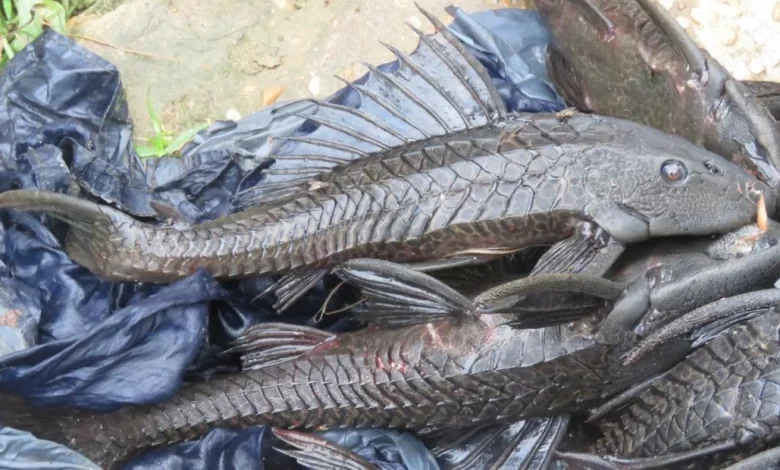
The Jakarta Provincial Government has significantly escalated its efforts to combat the proliferating population of suckermouth catfish, locally known as "ikan sapu-sapu," deemed a critical invasive species threatening the capital’s aquatic ecosystems. This intensified campaign follows growing scientific consensus and tangible evidence of the fish’s detrimental impact on native fish populations and overall environmental health. The recent large-scale culling operation in Jakarta underscores the urgency of addressing what many experts describe as an ecological time bomb, with implications stretching far beyond the capital’s waterways.
The suckermouth catfish, primarily species from the Pterygoplichthys genus (often mistakenly identified as Hypostomus plecostomus), are native to the freshwater systems of South America, particularly the Amazon and Paraguay River basins. These distinctive armored fish, characterized by their flattened bodies, bony plates, and unique sucker-mouths, were originally introduced to Indonesia and many other parts of the world through the ornamental aquarium trade. Prized for their ability to consume algae and keep aquariums clean, they were widely imported and sold. However, as these fish grew larger than anticipated or became less desirable as pets, many owners irresponsibly released them into local rivers, lakes, and canals, unwittingly unleashing an ecological disaster. Jakarta’s extensive network of rivers, canals, and reservoirs, often characterized by nutrient-rich waters and a lack of natural predators, provided an ideal environment for these hardy invaders to establish themselves and thrive.
The Pervasive Threat of an Invasive Species
The scientific literature has extensively documented the dangers posed by the suckermouth catfish. A study published in Jurnal Albacore, Volume 4 No 1, February 2020, conducted by a team of scientists including Hasrianti, Surianti, and Muhammad Rais Rahmat Razak, vividly illustrates the problem in Danau Sidenreng, Desa Teteaji, Kelurahan Wette’e, Kabupaten Sidenreng Rappang. Their research revealed a direct correlation between the explosive growth of the suckermouth catfish population and a drastic decline in native fish catches, such as snakehead (gabus), tilapia (nila), tawes, common carp (mas), and gourami (mujair), within the lake. This phenomenon is not isolated to Sidenreng; similar observations have been made in numerous aquatic environments across Indonesia.
The study unequivocally concluded, "The presence of invasive suckermouth catfish can lead to the damage and even disappearance of local fish communities in the waters." This stark warning reflects a broader understanding of invasive species dynamics, where alien organisms, once established, can outcompete, displace, and ultimately decimate native flora and fauna, leading to significant biodiversity loss.
Mechanisms of Ecological Devastation
The invasive success of suckermouth catfish can be attributed to several key biological and behavioral traits:
-
High Adaptability and Resilience: These fish are remarkably tolerant of a wide range of environmental conditions, including varying water temperatures, oxygen levels, and pollution loads. This resilience allows them to thrive in degraded urban waterways where many native species struggle to survive. Their armored bodies also provide protection against potential predators, further enhancing their survival rates.
-
Rapid Reproduction and Longevity: Suckermouth catfish are prolific breeders, producing large numbers of eggs multiple times a year. They also have a relatively long lifespan, contributing to rapid population growth and the establishment of self-sustaining populations in new environments. Their reproductive strategy often outpaces that of native species, giving them a significant competitive advantage.
-
Habitat Alteration through Burrowing: A critical and often overlooked impact of these fish is their burrowing behavior. Suckermouth catfish excavate extensive tunnels and burrows into riverbanks and lakebeds, particularly during breeding seasons. This activity destabilizes shorelines, increases soil erosion, and dramatically increases water turbidity. Elevated turbidity reduces light penetration, hindering the growth of submerged aquatic vegetation which serves as crucial habitat, food, and spawning grounds for many native fish and invertebrate species. The constant stirring of sediment also releases nutrients, potentially exacerbating eutrophication.
-
Disruption of Food Webs and Competition for Resources: While primarily detritivores and herbivores, feeding on algae, detritus, and biofilm, their massive numbers mean they consume vast quantities of these resources. Maruf Adnan, in his article "The Environmental Impact of Hypostomus plecostomus: Assessing the Potential Harm to Water Species," highlights how their intense grazing on algae can disrupt the delicate balance of aquatic ecosystems. Algae are not just food; they also provide shelter and breeding substrates for countless smaller aquatic organisms. By removing these algal mats, suckermouth catfish indirectly deprive native species of vital habitat and food sources, leading to a cascade effect throughout the food web. Furthermore, they compete directly with native detritivores and herbivores for limited food resources.
-
Predation on Native Eggs and Larvae: Although not primarily piscivorous, observations have shown that suckermouth catfish can opportunistically consume the eggs and larvae of native fish species. This direct predation, especially in high-density populations, can significantly impact the reproductive success and recruitment rates of vulnerable native fish, further accelerating their decline.
-
Disease Transmission: As an introduced species, suckermouth catfish can act as vectors for pathogens and parasites that native species have no natural immunity against. The introduction of novel diseases can be devastating to local fish populations, leading to widespread mortality and weakening the overall health of the ecosystem.
-
Absence of Natural Predators: In their native South American habitats, suckermouth catfish are part of a complex food web and face predation pressure from larger predatory fish, caimans, and other aquatic carnivores. In Indonesian waterways, these natural predators are largely absent or insufficient to control their rapidly expanding populations, allowing them to proliferate unchecked.
Economic and Social Repercussions
Beyond the immediate ecological damage, the unchecked spread of suckermouth catfish has profound economic and social implications. The decline in native fish populations directly impacts the livelihoods of local fishermen. In communities dependent on fishing, reduced catches translate into lost income, food insecurity, and increased economic hardship. The Sidenreng Lake study serves as a stark reminder of how rapidly traditional fisheries can collapse under the pressure of invasive species.
Moreover, the burrowing activities of these fish can pose risks to critical water infrastructure. Embankments, dykes, and irrigation canals are susceptible to damage from their extensive tunneling, potentially leading to increased maintenance costs, structural failures, and disruptions to water management systems essential for agriculture and urban water supply. The aesthetic degradation of waterways due to high turbidity and the presence of numerous "unattractive" fish can also impact recreational activities and tourism potential.
Jakarta’s Coordinated Response: A Chronology of Action
Recognizing the escalating threat, the DKI Jakarta Provincial Government has intensified its efforts to control and eradicate the suckermouth catfish. The recent large-scale operation represents a significant step in this ongoing battle.
On Friday, April 17, 2024, a coordinated, simultaneous operation was launched across various locations in Jakarta. This multi-pronged effort involved teams deploying a range of methods, including nets and traps, to capture the invasive fish. The scale of the operation was substantial: a staggering 6.98 tons of suckermouth catfish, equivalent to approximately 68,880 individual fish, were caught during this single drive. The sheer volume of the catch underscores the pervasive nature of the problem within Jakarta’s aquatic environments.
Following their capture, the 68,880 fish underwent a specific disposal protocol: they were split open and then buried at designated points near sluice gates. This method of disposal was not arbitrary. Hasudungan A Sidabalok, the Head of the DKI Jakarta Food Security, Marine, and Agriculture (KPKP) Agency, explicitly stated that this procedure was implemented to prevent any potential misuse or diversion of the captured fish. The primary concern was to ensure that the culled fish were not illegally sold to vendors for consumption or other purposes, which could inadvertently reintroduce them into the food chain or even lead to their re-release into other waterways. The thorough destruction and burial are intended to be a definitive end to their lifecycle and ecological threat.
This recent operation builds upon earlier, smaller-scale efforts and increasing public awareness campaigns. For years, environmental groups and local communities have voiced concerns, but the comprehensive governmental response now signals a more determined and centralized approach to tackling the issue head-on.
Expert and Official Perspectives: A Unified Front
The Jakarta government’s actions are firmly rooted in scientific recommendations and a clear understanding of the ecological imperative. Hasudungan A Sidabalok’s firm stance on the disposal method reflects the agency’s commitment to effective invasive species management. "The burial is crucial to ensure that there is no misappropriation of the caught suckermouth catfish, such as unilateral sales to traders," he reiterated, emphasizing the importance of preventing any loopholes in the eradication process. This approach highlights the challenges in managing invasive species, where even disposal requires careful consideration to avoid unintended consequences.
Environmental experts like Maruf Adnan, whose work emphasizes responsible pet ownership, strongly support such initiatives. Adnan’s research reinforces the critical message that individuals must act responsibly and never release pet fish into natural environments. "The importance of responsible pet ownership cannot be overstated," Adnan stated, highlighting that many invasive species problems originate from human actions. He further stressed "the necessity of effective management strategies to mitigate the impact of invasive species on native aquatic environments." This call for a multi-faceted approach, combining eradication with prevention, is a recurring theme among conservationists.
The findings from the Jurnal Albacore study provide critical data for policymakers. The research team’s direct observation of reduced native fish populations in Danau Sidenreng offers compelling evidence that translates scientific understanding into tangible policy decisions. Their work, alongside numerous other studies, forms the scientific bedrock upon which Jakarta’s eradication efforts are built.
Beyond Eradication: Long-Term Strategies and Prevention
While large-scale culling operations are vital for immediate population control, experts agree that sustained efforts require a broader, more integrated approach. The fight against invasive suckermouth catfish necessitates long-term strategies focusing on prevention, education, and ecosystem restoration.
-
Public Awareness and Education: A crucial component is educating the public about the dangers of invasive species and the importance of responsible pet ownership. Campaigns targeting aquarium hobbyists, pet stores, and schools can prevent future releases. Clear guidelines on how to humanely dispose of unwanted aquatic pets are essential.
-
Biosecurity Measures: Stricter regulations on the import, sale, and trade of exotic aquatic species are needed. Regular monitoring of pet shops and aquaculture facilities can help prevent the introduction of new invasive species and control the spread of existing ones.
-
Habitat Restoration: Post-eradication, efforts must focus on restoring the health of affected waterways. This includes improving water quality, re-establishing native aquatic vegetation, and enhancing habitats for native fish species. A healthy, resilient ecosystem is better equipped to resist future invasions.
-
Integrated Pest Management: Combining various control methods, including mechanical removal (trapping, netting), biological controls (if safe and feasible), and public engagement, offers the most effective long-term solution. Continuous monitoring of water bodies for re-infestation or new invasive threats is also critical.
-
Research and Monitoring: Ongoing scientific research into the ecology of suckermouth catfish, their population dynamics, and the specific impacts on local ecosystems will inform and refine management strategies. Monitoring the recovery of native species after control efforts is also essential to assess effectiveness.
Broader Implications and Regional Outlook
The challenge posed by invasive suckermouth catfish is not unique to Jakarta or even Indonesia. It is a global phenomenon, with various species of Pterygoplichthys causing ecological havoc in freshwater systems across Asia, Africa, and North America. The lessons learned from Jakarta’s campaign can offer valuable insights for other regions grappling with similar environmental threats.
The problem underscores the complex interplay between human activity, global trade, and ecological stability. While the immediate focus is on managing the existing invasive populations, the overarching message from this campaign is a call for greater environmental stewardship and a more cautious approach to introducing non-native species into delicate ecosystems. The sustained commitment from government agencies, supported by scientific research and public cooperation, will be crucial in mitigating the long-term ecological and economic damage inflicted by these silent invaders, striving to restore the natural balance of Jakarta’s invaluable aquatic environments.
Related posts: