UTBK-SNBT 2026 at UNJ to be Held Across 11 Locations Including 6 Partner Vocational Schools in Jakarta

Universitas Negeri Jakarta (UNJ) has officially announced its readiness to serve as a primary hub for the 2026 Computer-Based Selection Test for State Universities (UTBK-SNBT), a critical milestone for tens of thousands of aspiring university students. Scheduled to commence on April 21, 2026, this year’s examination cycle represents a significant logistical undertaking, involving not only the core university facilities but also a strategic partnership with six vocational high schools (SMKN) across the Jakarta metropolitan area. By distributing the examination load across 11 distinct locations, the university aims to provide a seamless, secure, and accessible testing environment for 35,191 registered participants. This expansion highlights the increasing demand for higher education in Indonesia and the necessity of collaborative infrastructure to meet national academic standards.
The implementation of the UTBK-SNBT is the primary gateway for high school graduates seeking entry into Indonesia’s prestigious state universities. As one of the designated "Pusat UTBK" (UTBK Centers), UNJ bears the responsibility of managing thousands of candidates daily, ensuring that technical failures are minimized and academic integrity is upheld. The 2026 session is particularly noteworthy due to the full integration of automated systems for seat allocation and a heightened focus on inclusive facilities for students with disabilities.
Strategic Distribution of Examination Venues
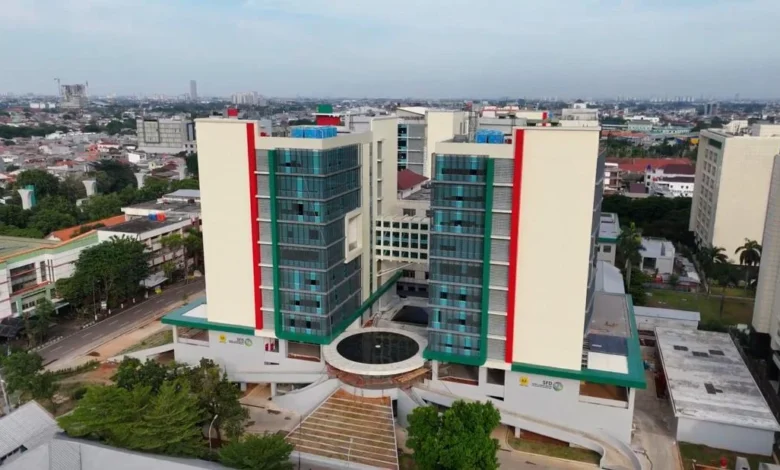
To accommodate the massive influx of examinees, UNJ has mapped out a dual-layer location strategy. The first layer consists of five major buildings within the UNJ campus ecosystem, which serve as the nerve center for the testing operations. These locations include the Center for Information and Communication Technology (Pustikom) Building, the Dewi Sartika Building, the Saudi Fund for Development (SFD) Tower A, the SFD Tower B, and Building L of the Faculty of Engineering (FT). These venues are equipped with high-speed internet infrastructure and dedicated server rooms to handle the real-time data processing required by the national testing agency.
The second layer of the strategy involves a vital partnership with the Jakarta Education Agency to utilize the computer laboratories of six State Vocational High Schools (SMKN). This collaboration is essential for decentralizing the crowd and making the testing centers more accessible to candidates residing in different sectors of the city. The partner schools include:
- SMKN 1 Jakarta: Located at Jl. Budi Utomo No. 7, Pasar Baru, Central Jakarta. This site serves candidates in the heart of the city, benefiting from its proximity to major transportation hubs.
- SMKN 10 Jakarta: Situated on Jl. Mayjen Sutoyo, Cawang, East Jakarta. This location provides a strategic point for students coming from the southern and eastern corridors of the capital.
- SMKN 40 Jakarta: Found at Jl. Nanas II No. 9, Utan Kayu Utara, East Jakarta, offering additional capacity in a densely populated residential area.
- SMKN 44 Jakarta: Located at Jl. Harapan Jaya 9, Cempaka Baru, Central Jakarta, bolstering the testing capacity in the central district.
- SMKN 48 Jakarta: Positioned on Jl. Radin Inten II No. 3, Klender, East Jakarta, serving the eastern suburbs.
- SMKN 50 Jakarta: Located at Jl. Cipinang Muara I No. 4, Jatinegara, East Jakarta.
By utilizing these vocational schools, UNJ leverages existing high-quality computer laboratories that are already optimized for digital examinations, ensuring that the testing experience is standardized regardless of whether a student is sitting for the exam at the university or a partner school.
Comprehensive Chronology and Session Management
The 2026 UTBK-SNBT will follow a rigorous timeline designed to maximize the use of available hardware. The main testing window is set for ten days, running from April 21 to April 30, 2026. However, recognizing the high volume of applicants specifically choosing UNJ as their testing center, the university has scheduled an additional period extending until May 2, 2026, for sessions held exclusively on the UNJ campus.
To manage the 35,191 participants, the examinations are divided into two distinct sessions per day. The morning session is scheduled to begin promptly at 06:45 WIB, requiring students to be present on-site well before the start time for administrative checks. The afternoon session commences at 12:30 WIB. A specific adjustment is made for Friday sessions to accommodate religious observances, ensuring that the testing schedule does not conflict with Friday prayers. In total, the UNJ campus will host 22 sessions, while the partner vocational schools will facilitate 20 sessions.
This structured approach is designed to prevent server overloads and ensure that the campus environment remains manageable. Each session is a high-stakes event where time management is critical, not just for the students, but for the proctors and IT support staff who must reset and verify the systems between the morning and afternoon rotations.
Systemic Changes: Automatic Placement and Fraud Prevention
A major shift in policy for the 2026 academic year is the introduction of automatic location assignment by the national selection system. In previous years, students often had more leeway in selecting specific venues, which sometimes led to overcrowding at certain sites and underutilization of others. The new system automatically assigns a participant to a specific room and location within their chosen Pusat UTBK based on capacity and logistical optimization.
This change serves three primary purposes: the equalization of participant distribution, the optimization of available computer hardware, and the mitigation of potential cheating. By removing the ability for groups of students to coordinate their specific testing locations, the system reduces the risk of organized fraud or the use of "jockeys" (proxy test-takers).
To further bolster security, UNJ has implemented a multi-layered verification process. Upon arrival, students must present valid identification and graduation documents. Security personnel will utilize metal detectors to ensure that no unauthorized electronic devices—such as smartphones, smartwatches, or hidden communication tools—are brought into the examination halls. The university has emphasized that any breach of integrity will result in immediate disqualification and potential legal consequences.
Infrastructure and Inclusivity Measures
The scale of the 2026 UTBK-SNBT requires a robust technical foundation. UNJ has prepared 1,680 primary computer units to be used daily, supported by a fleet of 249 backup units. These computers are distributed across 75 examination rooms in the 11 designated locations. The provision of backup units is a critical contingency measure to address potential hardware failures or software glitches, ensuring that no student is disadvantaged by technical issues.
Beyond technical readiness, UNJ has made significant strides in ensuring the examination is inclusive. Dedicated testing rooms have been prepared for participants with disabilities. These rooms are designed to be easily accessible and are staffed by proctors trained to provide the necessary assistance without compromising the independence of the test-taker. This commitment to accessibility reflects the university’s broader mission to provide equitable education opportunities for all segments of society.
Furthermore, UNJ has prioritized clear communication with the public. Information regarding room layouts, traffic flow, dress codes, and prohibited items has been disseminated through both digital platforms and physical signage at all 11 locations. Candidates are encouraged to perform a location survey at least one day before their scheduled exam to familiarize themselves with the commute and the specific building locations.
Logistical Advice and Broader Implications
Given the notorious traffic conditions in Jakarta and the limited parking space at both the university and the partner SMKs, the organizing committee has issued a strong recommendation for participants to use public transportation. Systems such as the TransJakarta bus network and the KRL Commuterline offer reliable access to most of the testing sites. For those arriving by private vehicle, a "drop-off" system will be strictly enforced to prevent gridlock at campus entrances.
The successful execution of the UTBK-SNBT at UNJ is seen as a benchmark for national education administration. The coordination between the university, the Ministry of Education, Culture, Research, and Technology, and local vocational schools demonstrates a high level of institutional synergy. As the SNPMB (National Selection for New Student Admissions) continues to evolve, the lessons learned from the 2026 cycle at UNJ will likely inform future policies regarding digital testing and resource sharing.
The broader impact of these preparations extends beyond just the test dates. It reinforces the integrity of the Indonesian higher education system, ensuring that entry into state universities remains a meritocratic process. For the 35,191 participants at the UNJ center, the rigorous protocols and high-quality facilities provided are intended to offer a fair stage upon which they can demonstrate their academic potential. With the final checks currently underway, UNJ officials have expressed optimism that the 2026 UTBK-SNBT will be characterized by order, transparency, and technical excellence.