Victim of Venomous Snakebite in Brebes Faces Financial Hurdles Due to Non-Active BPJS

Brebes, Indonesia – A distressing incident involving a venomous snakebite in Brebes has highlighted a critical issue regarding healthcare access, as the victim, 69-year-old Suradi, initially received only outpatient treatment due to his non-active BPJS (Badan Penyelenggara Jaminan Sosial) health insurance. The viral social media post, initially shared on the Exalos Indonesia Instagram account, depicted the severe swelling and blistering of Suradi’s leg, prompting public concern and subsequent intervention from local authorities and the hospital. The case underscores the complex interplay between health emergencies, insurance status, and the financial burdens faced by vulnerable populations in accessing timely and comprehensive medical care.
The incident, which occurred on Thursday, April 16, 2026, saw Suradi, a resident of Siasem Village, Wanasari District, Brebes, bitten by what was later identified as a Gloydius blomhoffii, commonly known as a viper or pit viper, often referred to locally as "ular tanah" or "ular gibug." Suradi was reportedly foraging for grass to feed his goats near the railway bridge in Kampung Kauman when the venomous reptile attacked his leg. The initial visual evidence shared online, showing a severely inflamed and blistered limb, painted a grim picture of the snake’s venomous impact.
Initial Response and Access to Healthcare Challenges
Following the snakebite, Suradi was promptly taken to the Brebes Regional General Hospital (RSUD Brebes). However, upon arrival, it was discovered that his BPJS health insurance was inactive. This status meant that Suradi was not eligible for inpatient care or the full spectrum of treatments typically covered by the national health insurance scheme. Consequently, he was only provided with outpatient treatment, which at that stage involved being prescribed antibiotics.
"Thursday afternoon after being bitten by the snake, I was taken to RSUD Brebes. I planned to use BPJS, but it was inactive, so I requested outpatient treatment. I was told to buy anti-venom medicine, but I didn’t have the money; it was expensive, up to Rp 1.5 million. So, I was just given an antibiotic injection," Suradi recounted to detikJateng. This statement reveals the immediate financial barrier Suradi faced in obtaining potentially life-saving treatment, with the cost of anti-venom being prohibitively high for him.
The delay in receiving appropriate treatment, compounded by the financial constraints, led to a rapid deterioration of Suradi’s condition. The day after the bite, the wound began to swell significantly. By the following day, his leg developed blisters resembling severe burns, a clear indication of the venom’s destructive effects on his tissue. This escalating severity of his condition highlighted the critical need for immediate and comprehensive medical intervention, including the administration of anti-venom.
Intervention and Escalation of Care
The initial viral post by Exalos Indonesia played a crucial role in drawing wider attention to Suradi’s plight. The organization noted that Suradi’s family had initially considered seeking traditional remedies, a common practice in some rural areas of Indonesia. However, Exalos Indonesia intervened, urging the family to prioritize immediate hospital treatment. This intervention underscored the importance of public awareness and the role of community organizations in advocating for proper medical care, especially in emergency situations.
Faizal Rivaldi, an officer from the Brebes Fire Department and Public Order Agency (Damkar Satpol PP), confirmed Suradi’s identity and the species of snake involved. "It was a gibug snake, or viper. Quite dangerous. We from the fire department are still searching for the snake around the incident location," Faizal stated on Monday, April 20, 2026. The active search for the snake by the fire department indicates the community’s concern and the potential ongoing risk to residents in the area.
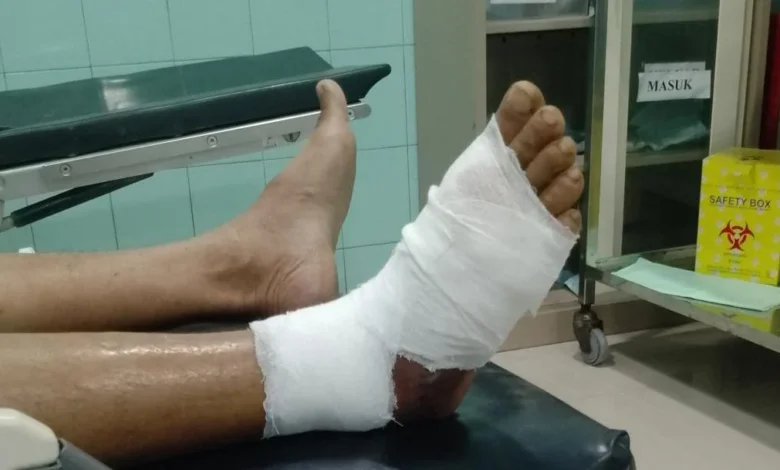
Recognizing the gravity of Suradi’s worsening condition and the initial limitations in his treatment, local authorities and the village administration stepped in to facilitate further medical attention. With the assistance of the village, Suradi was able to return to RSUD Brebes for more advanced treatment. The news report indicated that his leg was subsequently bandaged and that he was receiving care from medical professionals. "Now it’s better. It has been handled by doctors with the help of the village," Suradi reported, expressing a sense of relief at the improved medical attention.
RSUD Brebes’ Commitment to Ensuring Access
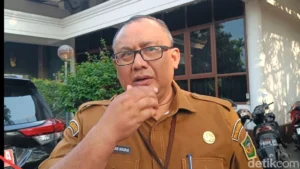
In response to the public attention and the critical situation, dr. Aries Suparmiati, Head of Medical Services and Quality Development at RSUD Brebes, assured that the hospital was committed to providing necessary care for Suradi. Addressing the financial implications of his non-active BPJS status, dr. Aries stated that the hospital would actively seek alternative funding sources to cover Suradi’s medical expenses.
"We will help with the financing by looking for other funding sources, such as CSR (Corporate Social Responsibility)," dr. Aries emphasized. This commitment signals the hospital’s willingness to go beyond standard procedures to ensure that patients in dire need are not denied essential medical services due to financial constraints. The utilization of CSR funds is a common practice in Indonesia for hospitals to support underprivileged patients and address gaps in public health coverage.
The Broader Implications of Health Insurance Status
Suradi’s case shines a spotlight on the critical importance of active health insurance coverage, particularly in a country like Indonesia where access to healthcare can be a significant challenge for many. BPJS Kesehatan, the national health insurance program, was established with the aim of providing universal health coverage to all Indonesian citizens. However, lapses in payment or administrative issues can lead to the deactivation of coverage, as seen in Suradi’s situation.
The incident raises questions about the robustness of the system in ensuring continuous coverage for vulnerable individuals and the ease with which individuals can reinstate their active status when facing emergencies. The cost of anti-venom, a crucial component in treating venomous snakebites, can be substantial, placing an immense burden on individuals without adequate insurance. The price of Rp 1.5 million mentioned by Suradi is significant, especially considering that many snakebite victims in rural areas may have limited financial resources.
Venomous Snakebite Statistics and Public Health Concerns
Venomous snakebites remain a significant public health concern in Indonesia, a tropical archipelago with diverse ecosystems that harbor numerous snake species. While exact national statistics for snakebite incidents can vary, it is widely acknowledged that these incidents disproportionately affect rural populations who have greater exposure to snakes in their daily activities, such as farming and foraging.
According to the World Health Organization (WHO), snakebite envenoming is a neglected tropical disease that causes an estimated 81,000 to 138,000 deaths annually worldwide, with many more survivors suffering permanent disabilities. Southeast Asia, including Indonesia, is one of the regions most affected by snakebite envenoming. The severity of the bite and the effectiveness of treatment depend heavily on the species of snake, the amount of venom injected, the victim’s age and health, and the promptness and quality of medical care received.
The viper species that bit Suradi, Gloydius blomhoffii, is known for its potent hemotoxic and cytotoxic venom, which can cause significant local tissue damage, pain, swelling, and, if untreated or inadequately treated, can lead to severe complications such as compartment syndrome, necrosis, and even systemic effects. The visible swelling and blistering on Suradi’s leg are typical manifestations of such venomous bites.
The Role of Early Intervention and Public Awareness
The sequence of events in Suradi’s case underscores the critical importance of early and appropriate medical intervention. While the initial diagnosis at RSUD Brebes might not have immediately indicated the severity of a venomous snakebite (as Suradi himself mentioned that the symptoms were not yet apparent), the subsequent rapid deterioration highlights the insidious nature of venom. The delay in administering anti-venom, due to financial constraints, likely exacerbated the tissue damage.
Public awareness campaigns about snakebite first aid and the importance of immediate medical attention are vital. Educating communities on how to identify venomous snakes, what to do (and not to do) in case of a bite, and the necessity of seeking professional medical help rather than relying solely on traditional remedies can significantly improve outcomes. The intervention by Exalos Indonesia in Suradi’s case demonstrates the positive impact of informed individuals and organizations in advocating for proper medical care.
Moving Forward: Strengthening Healthcare Access
Suradi’s experience serves as a stark reminder of the challenges that can arise when individuals face health emergencies without active health insurance. The commitment from RSUD Brebes to seek CSR funding is commendable and offers a ray of hope for Suradi. However, this situation also calls for a broader discussion on how to prevent such predicaments.
Potential solutions could include:
- Enhanced Public Awareness Campaigns: Ensuring that individuals understand the importance of maintaining active BPJS status and the procedures for renewal or reinstatement.
- Proactive Outreach Programs: Implementing programs that identify and assist vulnerable individuals who may be at risk of their BPJS status lapsing due to financial difficulties.
- Streamlined Reinstatement Processes: Simplifying the process for individuals to reactivate their BPJS coverage, especially during emergencies.
- Emergency Funding Mechanisms: Exploring the establishment of emergency funds or protocols within local health systems to cover critical treatments for individuals whose insurance is temporarily inactive during life-threatening events.
- Collaboration with Local Governments and NGOs: Strengthening partnerships between healthcare providers, local administrations, and non-governmental organizations to create a safety net for those in need.
The case of Suradi in Brebes, while highlighting a specific individual’s struggle, reflects a systemic challenge that requires ongoing attention and solutions to ensure that all citizens have equitable access to essential healthcare services, regardless of their immediate financial circumstances or insurance status. The timely and effective treatment of venomous snakebites, like other medical emergencies, hinges on a robust and accessible healthcare system.