Over 2.2 Million Indonesian Social Assistance Beneficiaries Flagged Over Online Gambling Linkages Prompting Wide-Scale Verification

The integrity of Indonesia’s national social safety net has faced unprecedented scrutiny following a massive joint intelligence and data analytics operation that flagged millions of beneficiary accounts over suspected involvement in online gambling, locally known as judol (judi online). The Ministry of Social Affairs (Kemensos), working in close coordination with the Financial Transaction Reports and Analysis Centre (PPATK), has identified more than 2.2 million records belonging to Keluarga Penerima Manfaat (KPM)—or Beneficiary Families—linked to suspicious financial transactions during the second-quarter evaluation cycle of 2026.
This staggering development has sent ripples through local communities across the archipelago, triggering widespread anxiety among vulnerable populations who rely heavily on government support to meet their daily basic needs. However, both central authorities and regional social agencies have emphasized that a flagged status does not automatically equate to a formal conviction of wrongdoing or an immediate, permanent revocation of social welfare rights. Instead, the government has initiated a rigorous, multi-layered verification and clarification protocol designed to separate genuine violators from innocent citizens whose personal identities may have been compromised or misused by third parties.
The intersection of state welfare provisions and the digital-era scourge of online gambling has exposed deep vulnerabilities within digital identities, financial inclusion, and household-level administration. As local governments scramble to process thousands of appeals, the crisis underscores the complex operational challenges facing modern welfare distribution systems in developing nations.
The Anatomy of the Discovery: Unprecedented Data Integration
The root of the current policy intervention lies in sophisticated cross-sectoral data matching executed by the PPATK and the Ministry of Social Affairs. During routine administrative evaluations for the second quarter of 2026, state auditors and financial intelligence analysts flagged a combined total of 2,289,127 recipient entries across two of Indonesia’s primary social assistance programs: the Non-Cash Food Assistance program (Bantuan Pangan Non Tunai or BPNT) and the Family Hope Program (Program Keluarga Harapan or PKH).
Specifically, the data revealed that 1,494,652 KPM beneficiaries registered under the BPNT food security initiative exhibited transaction patterns consistent with online gambling activities. Simultaneously, 794,475 recipients enrolled in the conditional cash transfer scheme under the PKH framework were flagged under similar parameters.
These figures represent a significant fraction of Indonesia’s broader social assistance architecture, which targets tens of millions of low-income households. The integration of PPATK’s financial surveillance capabilities into the welfare database marks a decisive shift in how the state monitors public funds. Historically, social assistance audits focused primarily on issues of inclusion and exclusion errors—ensuring that aid reached the poor while omitting the wealthy. The 2026 evaluations, however, have introduced behavioral and transactional compliance metrics, penalizing the diversion of state subsidies toward illicit digital pastimes.
The Chronology of Policy Action and Institutional Response
The uncovering of these statistics did not instantly result in mass disenrollments. Recognizing the potential for systemic administrative errors, identity theft, and collateral damage to innocent dependents, the Ministry of Social Affairs formulated a phased institutional response strategy.
In the initial phase, spanning the weeks immediately following the discovery, the ministry ordered the temporary suspension—rather than permanent termination—of assistance disbursements for all flagged accounts. This preventative measure aimed to freeze potentially misdirected state funds while shielding the treasury from ongoing leakage.
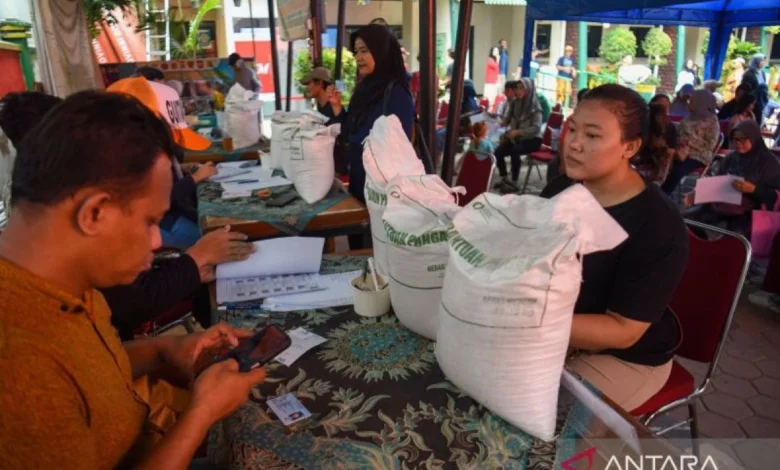
By the middle of the evaluation period, regional offices of the Social Affairs Department (Dinas Sosial) across various regencies and municipalities were flooded with inquiries from bewildered citizens. Local authorities quickly established dedicated help desks and utilized the National Single Social and Economic Data (DTSEN) infrastructure, alongside the Next Generation Social Welfare Information System (SIKS-NG), to manage the influx of complaints.
Local case studies illustrate the immediate operational reality on the ground. In Tangerang Regency, out of 259 beneficiary accounts initially suspended due to suspected online gambling linkages, 195 individuals promptly stepped forward to file formal clarification requests to restore their participant status. Similar administrative bottlenecks were reported in Bantul and other key districts, where local social agencies deployed field verification teams to assess the legitimacy of the flags.
Identity Theft, Familial Misuse, and the Vulnerability of NIKs
A critical finding emerging from the early stages of field verification is the prevalence of proxy utilization and identity theft. Government investigators and local social workers discovered that a significant portion of flagged individuals had no personal knowledge of, or participation in, online gambling platforms. Instead, their crucial National Identity Numbers (Nomor Induk Kependudukan or NIK) had been exploited by third parties.
In many households, younger family members—such as adult children or extended relatives experiencing financial distress—surreptitiously utilized the NIKs of elderly parents or vulnerable heads of households to register for and fund online gambling accounts. Because social assistance accounts are frequently tied to digital wallets or banking instruments managed at the family level, the financial footprints tracked by the PPATK frequently pointed to the registered household head, even if that individual was entirely incapacitated, elderly, or technologically illiterate.
Recognizing these nuances, the Ministry of Social Affairs mandated that field verifications must pay special attention to vulnerable demographics, including the elderly, persons with disabilities, and extreme poverty households whose digital literacy is minimal. If field officers confirm that a recipient met all genuine poverty criteria and did not personally commit the infraction, the suspended assistance is restored and scheduled for retroactive disbursement.
The Dual-Track Protocol: Sanggah vs. Berhenti Judol
To maintain administrative clarity and procedural fairness, the government instituted a clear dual-track protocol for handling flagged accounts, depending on the veracity of the underlying infractions.
For beneficiaries who maintain their innocence and assert that their identities were misused, the administrative remedy relies on the "sanggah" (rebuttal or appeal) mechanism. KPM participants can initiate this process by visiting their local village or sub-district office (kantor desa/kelurahan) to interface directly with DTSEN operators. Applicants must formally declare that they have never engaged in online gambling and request a thorough verification of the data anomalies that prompted the suspension of their benefits.
Conversely, for individuals who acknowledge direct participation in online gambling using social assistance funds, the state has implemented a remedial rehabilitation pathway rather than immediate, unyielding punitive abandonment. Through the SIKS-NG platform, regional social agencies utilize a specialized feature known as "Berhenti Judol" (Stop Online Gambling). This function allows admitted participants to formally pledge cessation from illicit gambling activities, clearing a path for monitored rehabilitation under strict probationary terms.
However, the Ministry of Social Affairs has maintained a strict disciplinary framework for repeat offenders or those who brazenly siphon substantial state subsidies into digital betting rings. Depending on the severity and frequency of the violation, sanctions range from extended benefit suspensions to permanent blacklisting from all future government assistance programs.
Broader Economic and Social Implications
The 2026 social assistance crisis highlights a complex socio-economic dilemma facing contemporary Indonesia: the digitization of both financial welfare and illicit vices. While government initiatives to digitize welfare distribution—such as moving toward non-cash transfers and integrated electronic banking accounts—have successfully reduced bureaucratic corruption and improved transparency, they have simultaneously exposed vulnerable populations to new digital threats.
Online gambling has surged as a major socio-economic disruptor among lower-income communities in Indonesia, frequently exacerbating household debt, domestic violence, and destitution. By tethering welfare compliance to anti-gambling metrics, the Indonesian government is attempting to enforce social responsibility as a prerequisite for state support. Yet, this approach walks a delicate administrative tightrope. Aggressive policing of beneficiary accounts risks inflicting severe hardship on blameless dependents if verification mechanisms prove too slow or inaccessible.
Furthermore, the integration of PPATK data into welfare management points toward a future of hyper-connected government databases. While this integration enhances the state’s capacity to detect financial anomalies, it also places immense pressure on data accuracy and grievance-redressal systems. The ability of local village operators to swiftly process thousands of appeals via systems like SIKS-NG will ultimately determine whether the policy successfully deters vice without abandoning the destitute.
Navigating Status Checks and Public Guidance
As the verification process continues to unfold nationwide, government agencies have urged the public to remain calm and avoid jumping to conclusions upon discovering a suspended welfare status. Because databases are subjected to continuous algorithmic updates and cross-referencing, a temporary suspension is designed as an administrative pause rather than a definitive judicial verdict.
Citizens seeking to verify their standing can access official channels, prominently including the Ministry of Social Affairs’ official Cek Bansos portal, where individuals can input their NIK to review real-time participation status. For those experiencing discrepancies, unwarranted suspensions, or identity misuse, proactive engagement with local DTSEN or village administrative offices remains the mandatory first step toward rectifying database errors and recovering vital financial support.
Through a combination of strict financial monitoring, structured appeal channels, and rigorous on-the-ground validation, the Indonesian government aims to safeguard the integrity of its social welfare budget while ensuring that the nation’s most vulnerable citizens are not unfairly stripped of their life-line assistance.