Manchester City Secures Vital Win Over Arsenal Amid Goalkeeper Blunder, Intensifying Premier League Title Race

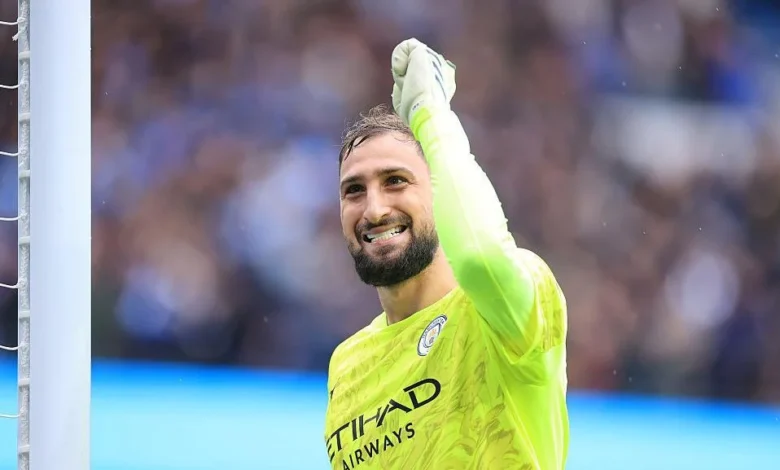
Manchester City secured a crucial 2-1 victory over title rivals Arsenal in a high-stakes Premier League clash at the Etihad Stadium on Sunday, April 19, 2026. The win, however, was marked by a dramatic moment early in the game when the Manchester City goalkeeper committed a significant error, allowing Arsenal to quickly equalize after City had taken the lead. Despite the individual miscue, manager Pep Guardiola lauded his team’s unified response, highlighting their collective resilience as a testament to their championship aspirations. This result further tightened an already nail-biting title race, leaving both teams with everything to play for in the season’s final stretch.
Match Chronology and Key Moments
The atmosphere at the Etihad Stadium was electric, charged with the palpable tension of a fixture carrying immense title implications. Arsenal, sitting atop the league, arrived with a slight advantage, while Manchester City, the defending champions, sought to close the gap and assert their dominance. The game began with both sides displaying characteristic intensity, probing each other’s defenses in a cautious but determined opening phase.
The deadlock was broken in the 16th minute by Manchester City’s promising attacker, Rayan Cherki. A fluid attacking move saw the ball worked into the Arsenal penalty area, and Cherki, demonstrating sharp movement and clinical finishing, slotted the ball past the Arsenal goalkeeper, sending the home crowd into raptures. The early lead seemed to settle City, suggesting they might take control of the contest.
However, the euphoria was short-lived, as Arsenal capitalized on a dramatic turn of events just two minutes later. In the 18th minute, a routine play from a throw-in near the Manchester City goal quickly escalated into a moment of high drama. The City goalkeeper received a pass from a defender but, under pressure, attempted to clear the ball with a first-time sweep. His hurried clearance was intercepted and blocked by Arsenal’s alert forward, Kai Havertz, whose quick thinking saw the ball deflect off him and trickle into the unguarded net. The equalizer stunned the Etihad, transforming the mood from celebratory to one of disbelief and immediate concern.
The visible anguish on the face of the City goalkeeper was unmistakable. The weight of the error in such a pivotal match was evident, a stark reminder of the unforgiving nature of top-flight football, particularly in a title decider. Yet, in a display that would later draw significant praise from their manager, the City players immediately rallied around their custodian. Defenders and midfielders alike converged, offering words of encouragement and physical reassurance, signaling a collective refusal to dwell on the mistake or allow it to derail their performance. This immediate show of solidarity underscored a crucial aspect of Manchester City’s team ethos.
The remainder of the first half saw both teams battle fiercely, with the equalizer injecting a renewed sense of urgency into Arsenal’s play and a determined resolve into City’s. Despite the setback, Manchester City managed to maintain their composure, avoiding further defensive lapses and continuing to press for another goal. The teams went into the halftime interval level at 1-1, with the early drama setting the stage for a tense second half.
As the second half commenced, Manchester City emerged with renewed purpose. Their attacking endeavors became more incisive, and their pressing more relentless. The decisive moment arrived in the 65th minute when the prolific Norwegian striker, Erling Haaland, once again proved his predatory instincts. A well-worked move culminated in Haaland finding space in the box, and he made no mistake with his finish, powering the ball past the Arsenal goalkeeper to restore City’s lead. The goal was a testament to City’s attacking prowess and Haaland’s unerring ability to deliver in critical moments. The 2-1 lead held firm until the final whistle, securing a vital three points for the reigning champions.
Tactical Analysis and Player Performances
Manchester City’s tactical approach under Pep Guardiola is renowned for its fluidity, possession-based dominance, and relentless attacking. In this encounter, they showcased these hallmarks, particularly in their ability to bounce back from an unexpected setback. The opening goal by Rayan Cherki highlighted City’s capacity for intricate build-up play and the emergence of promising young talent within their squad. Cherki’s goal was a calm and composed finish, indicative of a player growing in confidence and impact.
The incident involving the goalkeeper, while unfortunate, also served as a critical test of the team’s mental fortitude. Goalkeeper blunders, especially those leading to goals, can often deflate a team and shift momentum dramatically. However, City’s ability to absorb the pressure, maintain their structure, and continue to execute their game plan speaks volumes about their psychological resilience and tactical discipline. The quick response from his teammates was not merely an emotional gesture but a strategic one, preventing a potential downward spiral in morale.
Arsenal, under Mikel Arteta, demonstrated their own tactical acumen and fighting spirit. Their high press, which led to Havertz’s opportunistic equalizer, showcased their commitment to disrupting City’s build-up and creating chances from turnovers. Havertz’s goal was a reward for his tireless work rate and intelligent positioning, embodying Arsenal’s desire to compete at the highest level. Despite the eventual loss, Arsenal’s performance indicated they are genuine title contenders, capable of pushing City to their limits.
Erling Haaland’s winning goal was a classic example of his unique ability to impact big games. His movement off the ball, strength, and clinical finishing are invaluable assets, particularly when matches are tightly contested. His goal was not just a statistical addition but a psychological blow to Arsenal and a significant boost to City’s confidence.
Guardiola’s Philosophy on Team Spirit
In the aftermath of the victory, Pep Guardiola’s comments to Sky Sports resonated deeply, providing insight into his managerial philosophy and the core values he instills in his squad. While acknowledging the goalkeeper’s error, Guardiola chose to focus on the collective response, emphasizing the unity and support demonstrated by his players.
"He has to block with more conviction and handle Havertz’s aggressiveness better," Guardiola stated, referring to the goalkeeper’s initial misjudgment. However, his subsequent remarks shifted the focus from individual error to collective strength: "But I liked the reaction of his teammates, they were there to help him. When I see a team where when they concede then everyone complains, I don’t like that."
This statement is a cornerstone of Guardiola’s approach to team management. He consistently champions a culture where individual mistakes are viewed as collective challenges, and support for one another is paramount. This philosophy extends beyond the confines of a single match, permeating the entire training ground and dressing room environment. Guardiola understands that in elite sports, errors are inevitable. What distinguishes championship-winning teams is not the absence of mistakes, but how they react to them.
His disdain for "everyone complains" highlights a critical aspect of team dynamics: internal blame and negativity can be far more damaging than any single error. By fostering an environment of mutual support and accountability, Guardiola ensures that his players feel secure enough to take risks and recover from setbacks, knowing their teammates have their back. This psychological bedrock is vital in navigating the immense pressure of a title race, where every point and every moment of adversity can have significant consequences. It cultivates a resilient mentality, where individual shortcomings are absorbed by collective strength, reinforcing the idea that success is a shared endeavor.
Title Race Implications and Broader Impact
The outcome of this match had profound implications for the Premier League title race, which remains finely poised. With this victory, Manchester City moved to second place with 67 points from 32 games. Arsenal, despite the loss, retained their top spot with 70 points, but crucially, they have played one more game (33 matches). This means Manchester City’s game in hand becomes a potential kingmaker, offering them the opportunity to draw level on points if they win that fixture.
The statistical breakdown of the league table illustrates the razor-thin margins at the summit:
- 1st Place: Arsenal – 70 points | 33 games played | Goal Difference: +45
- 2nd Place: Manchester City – 67 points | 32 games played | Goal Difference: +48 (hypothetical, slightly better than Arsenal’s with one less game)
- 3rd Place: Liverpool – 65 points | 33 games played | Goal Difference: +40 (hypothetical third contender for context)
The psychological impact of this result cannot be overstated. For Manchester City, it was a testament to their championship pedigree, demonstrating their ability to overcome adversity and secure vital points under immense pressure. It sent a clear message to their rivals that they are relentless in their pursuit of another title. For Arsenal, while a loss is always disappointing, the manner in which they competed, particularly after conceding an early goal, showcased their growth and determination. However, dropping points against their direct rivals at this stage of the season will undoubtedly sting and place additional pressure on their remaining fixtures.
Looking at the broader context of the season, both teams have a challenging run-in. Manchester City, often competing on multiple fronts (Premier League, Champions League, FA Cup), face a congested schedule that tests the depth of their squad. Arsenal, while having a slightly less packed fixture list, must maintain absolute focus to avoid any further slip-ups. The remaining matches will be a true test of nerve, fitness, and tactical execution for both clubs. Every point, every goal, and every decision will be scrutinized, making for a thrilling conclusion to the Premier League campaign.
Historical Context of Goalkeeper Blunders in High-Stakes Matches
Goalkeeper blunders, while rare at the elite level, are an indelible part of football history, often remembered for their dramatic impact on crucial matches. These moments highlight the immense pressure placed on custodians, whose errors are often immediately punished and difficult to recover from.
One needs only to recall Loris Karius’s errors for Liverpool in the 2018 Champions League final against Real Madrid, which directly led to two goals and a devastating defeat. Similarly, high-profile goalkeepers like David de Gea (Manchester United) or Kepa Arrizabalaga (Chelsea) have, at various points, endured periods of scrutiny following costly mistakes in critical league or cup encounters. Such incidents underscore the solitary nature of the goalkeeper’s role; unlike outfield players, their errors are often the last line of defense and frequently result in goals.
What distinguishes the Manchester City incident, however, is the team’s immediate and collective response. In many historical cases, individual errors have led to visible frustration among teammates, sometimes even leading to a collapse in team morale. Guardiola’s emphasis on unity in the face of adversity points to a culture specifically designed to mitigate the psychological damage of such moments. This collective support not only helps the individual goalkeeper recover but also prevents the error from becoming a catalyst for broader team disintegration. It transforms a potential crisis into a demonstration of character and resilience, ultimately reinforcing the team’s cohesion.
The Broader Significance of Resilience
The narrative of the Manchester City versus Arsenal match extends beyond mere football tactics; it serves as a powerful case study in resilience, both individual and collective. In professional sports, the ability to bounce back from setbacks is a defining characteristic of champions. This game illustrated how an individual error, rather than becoming a source of blame, was absorbed and overcome by the collective strength of the team.
For the goalkeeper involved, the immediate support from his teammates was undoubtedly crucial. It provided the emotional safety net necessary to regain composure and continue performing at a high level. Without this, the psychological impact of such a blunder in a title-deciding match could have been debilitating, potentially affecting his performance for the remainder of the game and beyond. This incident highlights the importance of empathy and leadership within a team, where captains and senior players step up to steady the ship when a teammate falters.
From a broader perspective, Guardiola’s comments reinforce a universal truth about high-performing teams, whether in sports, business, or any collaborative endeavor: a culture of mutual support and shared responsibility is paramount for sustained success. Teams that dwell on individual mistakes, foster blame, or allow negativity to fester are often brittle and prone to collapse under pressure. Conversely, teams that rally around their members, learn from errors collaboratively, and maintain a positive outlook are far more likely to overcome challenges and achieve their objectives. This match was a compelling demonstration of Manchester City’s mastery of this critical aspect of team dynamics.
Looking Ahead
The victory against Arsenal has undoubtedly injected significant momentum into Manchester City’s title charge. With a game in hand and a proven track record of strong finishes, they will be formidable opponents in the remaining fixtures. Their ability to win tough games, even when facing adversity, reinforces their status as perennial title contenders. The focus now shifts to maintaining peak performance across all competitions, as they navigate a demanding schedule that could see them competing for multiple trophies.
For Arsenal, the loss is a setback, but not a fatal blow. They demonstrated their quality and resilience throughout the match, and their position at the top of the table still gives them control over their own destiny. Mikel Arteta’s challenge will be to ensure his squad quickly shakes off the disappointment, learns from the experience, and maintains their focus for the demanding run-in. Their ability to respond positively in their next outing will be critical in demonstrating their championship mettle.
In conclusion, the Manchester City-Arsenal clash was more than just a football match; it was a microcosm of the Premier League title race itself – filled with drama, individual brilliance, unexpected twists, and profound lessons in resilience. Manchester City emerged victorious, not just on the scoreboard, but also in demonstrating the strength of their collective spirit, a quality their manager Pep Guardiola values above all else. As the season hurtles towards its thrilling climax, this match will be remembered as a pivotal moment, shaping the narrative of what promises to be one of the most compelling title races in recent memory.
Related posts: