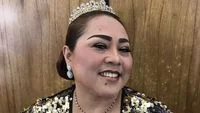
Veteran Indonesian comedian Tri Retno Prayudati, widely known by her stage name Nunung, has expressed her unwavering readiness to undergo a total breast removal surgery, commonly known as a mastectomy, following the recurrence of her breast cancer. At 63 years old, the beloved entertainer remains remarkably resilient, emphasizing mental fortitude, emotional acceptance, and a positive mindset as she prepares to navigate another rigorous chapter of medical treatments, including the use of wigs to manage anticipated hair loss.
The announcement highlights a challenging new phase in Nunung’s protracted battle against cancer. Despite facing a severe medical setback, the comedian has maintained a steadfast commitment to prioritizing her health under strict medical guidance, while attempting to balance her professional commitments in the entertainment industry.
A Determined Stance on Medical Treatment and Mental Well-being
Speaking publicly about her diagnosis, Nunung revealed that she has already acquired alternative headwear, such as wigs, to prepare for the physical side effects often associated with cancer therapeutics, particularly chemotherapy-induced alopecia. Rather than dwelling on potential cosmetic changes or the physical toll of the procedures, she chooses to focus on cultivating emotional well-being.
"I am ready; I picked up my medication recently, and having a wig is not an issue at all. I will continue to work. There are so many options for wigs nowadays. It is not a problem. The most important thing is that your heart must be happy, and you must accept this with sincerity. If we do not accept it, sadness takes over," Nunung stated during a recent media interview.
The comedian underscored that her primary objective is attaining complete recovery and long-term health, noting that she is fully compliant with her oncologists’ recommendations. Her current outlook reflects a philosophical approach to chronic illness, where emotional resilience is treated as an essential component of clinical healing. Despite the heavy burden of her diagnosis, she finds profound solace in the simple comforts of life, often turning to her husband for emotional grounding.
"When I am not feeling happy, I will tell my husband, ‘Let’s go home, let’s watch a movie.’ Just simple things like that. Being taken to watch a film or eating at a modest roadside stall is enough to make me happy," she shared.
Timeline of the Medical Journey: From Initial Diagnosis to Recurrence
Nunung’s health struggles have been a matter of public record since she was first diagnosed with breast cancer in early 2023. What initially began as the incidental discovery of a small lump on her breast quickly evolved into a multi-year medical ordeal that forced the veteran performer to navigate demanding clinical interventions alongside her demanding career.
Throughout 2023 and 2024, Nunung underwent extensive therapeutic regimens, which included multiple rounds of chemotherapy. By early 2025, specifically in February of that year, medical evaluations indicated encouraging progress. Oncologists observed that the cancerous cells within her breast had significantly reduced in size, opening the possibility for localized tumor removal rather than immediate radical surgery. At that stage, she successfully underwent conservative surgical procedures aimed at eradicating the localized malignancy, having completed at least six rigorous cycles of chemotherapy.
By June 2025, medical tests provided a brief window of relief when attending physicians declared her officially clear of active cancer cells. Furthermore, medical assessments at the time suggested that her specific case carried minimal hereditary risk, alleviating concerns regarding potential genetic transmission to her family members.
However, the remission was short-lived. Late in 2026, Nunung noticed anomalous physical changes, prompting her to seek immediate medical attention. Subsequent diagnostic evaluations—including mammography, which uses low-dose X-rays to identify abnormal tissue masses, and Positron Emission Tomography (PET) scans, which map cellular metabolic activity to detect the presence and potential spread of malignancy—confirmed the recurrence of the disease. Medical tests verified that the newly detected cellular growth was malignant and aggressive.
Shifting Treatment Strategies: The Decision for Mastectomy
The recurrence has fundamentally altered the medical approach to her case. During her initial diagnosis, Nunung had expressed a preference for a more definitive surgical intervention, requesting a complete breast removal to minimize the likelihood of relapse. At that time, however, her medical team advised a more conservative approach based on the presentation of the tumor.
With the cancer returning aggressively, the clinical consensus has shifted. Nunung noted that her doctors have now agreed to the procedure she initially advocated for.
"This second time, my doctor told me we should just remove it. From the very beginning, I actually asked for it to be removed, but the doctor back then did not want to," Nunung explained. "Now, if the doctor wants to remove it, let them remove it. Whatever the doctor wants to do, whatever needs to be taken out, I am willing. The most important thing for me is that I want to recover, I want to be healthy."
The scheduled surgery, however, faced a brief logistical pause due to a fortunate personal opportunity. Nunung revealed that she received an unexpected invitation to perform the Umrah pilgrimage to Mecca. Consequently, the surgical intervention has been scheduled immediately following her return from the religious journey, though specific dates regarding her itinerary and the exact day of the operation remain closely guarded as she coordinates between her faith, her family, and her medical team.
Broader Implications and Breast Cancer Realities
Nunung’s public battle with breast cancer brings renewed visibility to the ongoing public health challenges surrounding oncology care, particularly among aging populations in Indonesia. Breast cancer remains one of the most prevalent forms of malignancy affecting women globally and within Southeast Asia, necessitating robust screening protocols and early intervention strategies.
Medical literature consistently emphasizes that regular screenings—such as clinical breast examinations, mammograms, and advanced imaging technologies like PET scans—are vital for early detection, which drastically improves survival rates. However, cases involving cancer recurrence, such as Nunung’s, highlight the unpredictable nature of oncological diseases and the psychological toll placed on survivors who must continuously monitor their health long after initial treatments conclude.
The openness with which public figures discuss their diagnoses plays a crucial role in public health awareness. By normalizing conversations around mastectomy, chemotherapy side effects, and the psychological dimensions of chronic illness, high-profile testimonies help de-stigmatize cancer treatments and encourage greater proactive health monitoring among the broader population.
As Nunung prepares for her upcoming pilgrimage and the subsequent mastectomy, the entertainment community and her vast fan base continue to rally around her with messages of support and solidarity. Her journey serves as a poignant reminder of the intersection between clinical perseverance and mental resilience in the face of life-threatening medical conditions.