Huawei Watch D3 Debuts with Advanced Blood Pressure Monitoring and Elite Sports Tracking Capabilities to Redefine Wearable Health Technology

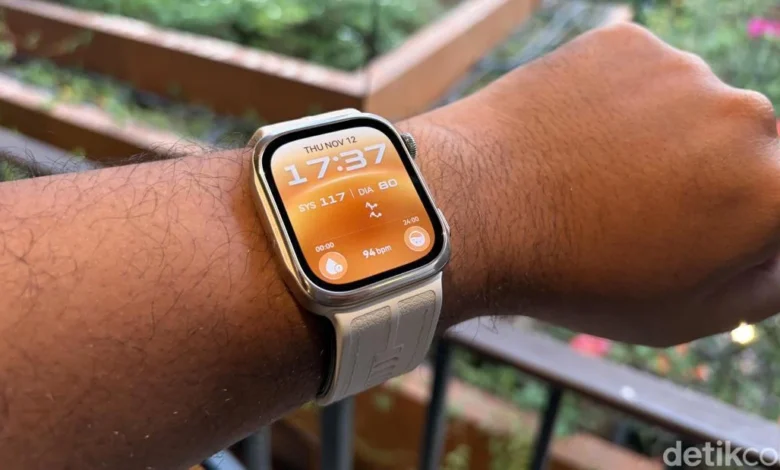
The landscape of wearable health technology has undergone a significant transformation with the official launch of the Huawei Watch D3, a device that aims to bridge the gap between medical-grade monitoring and high-performance athletic utility. While its predecessor established a benchmark for on-the-wrist blood pressure measurement, the D3 iteration seeks to integrate these clinical capabilities into a sleek, lifestyle-oriented form factor designed for both elite athletes and health-conscious professionals.
The global rollout, with a strategic focus on the Indonesian market, signals Huawei’s intent to dominate the premium smartwatch segment by offering a dual-purpose device that functions simultaneously as a sophisticated diagnostic tool and a comprehensive fitness companion. Priced at approximately Rp 6,999,000, the device enters a competitive market where consumers are increasingly prioritizing health-centric metrics over basic notification-focused wearables.
A Legacy of Innovation: The Evolution of Huawei’s Health Tech
To understand the significance of the Watch D3, one must examine the evolution of Huawei’s wearable division over the past five years. Since the introduction of the Watch D series, the company has prioritized "active health management." Unlike competitors that focused primarily on step counts and heart rate variability, the D-series was engineered around a specialized micro-pump and airbag system, effectively shrinking the traditional arm-cuff sphygmomanometer into a chassis worn on the wrist.
The D3 represents the third generation of this specialized hardware. Chronologically, Huawei has moved from bulky, experimental prototypes to the current iteration, which boasts a 15 percent reduction in total volume. This reduction is not merely aesthetic; it addresses a major barrier to adoption: the discomfort of wearing a heavy, mechanical device during high-intensity exercise. By refining the miniaturized compressor, Huawei has successfully retained clinical-level accuracy while achieving a profile that remains unobtrusive during activities like swimming, trekking, or golf.
Comprehensive Fitness Integration: Beyond Basic Metrics
The core philosophy behind the Huawei Watch D3 is the democratization of professional-grade fitness tracking. With support for over 100 sports modes, the device is positioned to cater to a diverse demographic. While standard modes cover traditional cardiovascular exercises, the inclusion of niche features—specifically the Advanced Golf Mode and Golf Course Mode—highlights a shift toward high-end, data-driven recreational support.
The golf-centric features utilize the device’s internal GPS and motion sensors to provide real-time distance measurements, hazard tracking, and performance statistics that were previously exclusive to dedicated golf GPS watches. By bundling these features into a health-first wearable, Huawei is effectively consolidating the gadget bag for the modern athlete.
Furthermore, the integration of "Pre- & Post-Exercise Blood Pressure Measurement" represents a critical breakthrough. Historically, measuring blood pressure immediately following strenuous activity was reserved for controlled clinical environments. The D3 allows users to establish a baseline before training and assess the cardiovascular recovery phase post-workout. This data is synthesized within the Huawei Health app, creating a longitudinal view of how the user’s vascular system responds to different intensities of stress, which can be shared with medical professionals to identify potential cardiovascular irregularities.
Ergonomic Engineering and Display Advancements
A common critique of early blood pressure-capable smartwatches was their tendency to be cumbersome. The D3 addresses this with a redesigned chassis measuring 11.3 mm in thickness, compared to the 13.3 mm profile of the previous model. This 15 percent reduction is achieved through the optimization of the internal fluid-pathway and the miniaturization of the pneumatic components.
The display technology has also received a substantial upgrade to accommodate outdoor use. The 1.92-inch AMOLED panel now supports a peak brightness of 3,000 nits. In practical terms, this ensures that data remains legible even under direct, high-noon sunlight—a requirement for outdoor enthusiasts, hikers, and golfers. The screen’s high refresh rate and color accuracy also ensure that the Health Glance and Health Insights interfaces are intuitive, allowing users to navigate through Heart Rate Variability (HRV) reports, emotional stress indicators, and sleep cycle logs with minimal friction.
Market Positioning and Strategic Implications
The release of the Huawei Watch D3 is a calculated move to capture the "prosumer" market—users who demand professional-grade health data without sacrificing the sleek design language of a fashion-forward smartwatch.
From an economic perspective, the bundling of the "Worry Free Care Package" and the "Extended Warranty" during the initial launch period (November 19 to December 18, 2026) suggests a strategic effort to build consumer trust. By offering a 3-month membership to Huawei Health+, the company is attempting to cultivate a long-term ecosystem where users become reliant on the software’s AI-driven insights, which process the raw health data collected by the D3.
This strategy mirrors broader industry trends where hardware is increasingly viewed as a vessel for subscription-based health services. By positioning the Watch D3 as a central node in a health-monitoring ecosystem, Huawei is not just selling a watch; it is selling a continuous data stream that enables proactive, rather than reactive, healthcare.
The Role of Data in Modern Preventative Medicine
The implications of widespread adoption of devices like the Huawei Watch D3 are profound. As non-invasive, continuous blood pressure monitoring becomes more common, the volume of data available for epidemiological research and individual health management will grow exponentially.
Health experts have noted that "silent" conditions, such as hypertension, are often under-diagnosed due to "white coat syndrome," where a patient’s blood pressure spikes during a clinical visit. By providing consistent, non-clinical environment readings, the Watch D3 allows for the identification of trends that might otherwise go unnoticed. The device does not replace medical advice, but it serves as a powerful triaging tool that can alert users to seek professional intervention when anomalies are detected.
Future Outlook and Ecosystem Compatibility
While the Watch D3 is a proprietary Huawei product, its compatibility with both Android and iOS via the Huawei Health app is a crucial factor in its market viability. By maintaining cross-platform support, Huawei ensures that its hardware is accessible to a wider user base, preventing the "walled garden" effect from alienating potential customers who may prefer iPhones but desire superior health-tracking hardware.
As we look toward the future, the integration of generative AI to analyze the vast datasets collected by the D3 seems to be the next logical step. Imagine a future where the device doesn’t just display a blood pressure reading but provides predictive analysis on when the user is most susceptible to fatigue or illness based on their historical sleep, stress, and activity data.
The launch of the Huawei Watch D3 is more than a product release; it is a testament to how far miniaturization and sensor technology have come. It challenges the industry to move beyond superficial fitness tracking and toward a future where the wearable device acts as a silent, vigilant guardian of the user’s physiological health. For the consumer, it provides a balance between the aesthetic appeal of a premium timepiece and the functional necessity of a medical-grade diagnostic assistant. As the market continues to evolve, the D3 will likely serve as a benchmark against which all other health-focused smartwatches are measured.