Omoda Unveils the O4 Electric Crossover Featuring Cyber Mecha Design and Advanced AI Cockpit Architecture


The global automotive landscape is undergoing a profound transformation, shifting rapidly away from traditional internal combustion engines toward electric mobility infused with digital lifestyle integration. Amidst this sweeping industry evolution, automotive brand Omoda has officially introduced a bold new design language dubbed Cyber Mecha, specifically tailored for its highly anticipated upcoming model, the O4. Drawing deep inspiration from the realms of digital culture, science fiction, and modern gaming, this fresh aesthetic philosophy has been meticulously translated into the physical form of an all-electric crossover SUV.
Rather than merely serving as a traditional means of utilitarian transportation, the Omoda O4 is engineered to function as an extension of the modern consumer’s digital lifestyle. By blending sharp, aggressive body lines with advanced artificial intelligence and high-performance electric powertrains, the brand aims to capture the attention of younger, tech-savvy demographics who demand a harmonious synergy between personal mobility and advanced consumer electronics.
The Genesis of Cyber Mecha: Exterior Design and Aerodynamics
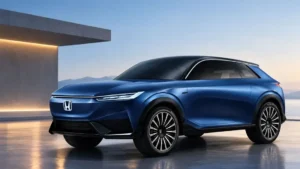
The distinctive character of the Cyber Mecha design language is immediately apparent upon viewing the front fascia of the Omoda O4. The vehicle incorporates what the manufacturer defines as O-Universe Lighting, a signature lighting configuration characterized by razor-sharp lines and geometric precision that draw direct visual cues from bolts of digital lightning. This aggressive yet sophisticated lighting signature sets the tone for the entire exterior architecture.
Moving along the profile of the vehicle, this futuristic styling ethos is seamlessly continued through a conceptual approach known as Mecha Flow. The exterior panels are not merely curved sheets of metal; instead, they feature multifaceted surfaces and precise geometric angles that closely mimic the structural armor found in mecha animation and gaming archetypes. This intricate play of sharp lines and planar surfaces is not purely aesthetic. According to engineering statements released by Omoda, this deliberate geometric structuring is engineered to manipulate light and shadow dynamically while simultaneously optimizing the vehicle’s aerodynamic profile, thereby reducing drag coefficients and maximizing battery efficiency during transit.
In terms of physical footprint, the Omoda O4 occupies a versatile segment within the global crossover market. The vehicle measures 4,420 mm in length, 1,870 mm in width, and 1,570 mm in height, underpinned by a generous wheelbase spanning 2,700 mm. This structural layout provides a planted stance while maximizing interior cabin volume. To complement its striking exterior, Omoda will offer a curated palette of exterior paint finishes, highlighted by a signature shade designated as Stellar Blue.
The Spaceship-Inspired Cabin and Advanced Driver-Centric Architecture
Stepping inside the Omoda O4 reveals that the Cyber Mecha design philosophy is not confined to the exterior sheet metal. Designers have meticulously carried the futuristic, digital-first theme into the cabin, curating an interior environment heavily inspired by aerospace engineering and spacecraft control modules.
The overall cockpit layout is intentionally driver-centric, focusing ergonomic efficiency squarely on the pilot seat. Among the numerous subtle yet striking interior details is an ignition start button outfitted with a protective flip-up mechanical cover, a tactile feature directly borrowed from high-performance motorsport vehicles. To further enhance the nocturnal ambiance and reinforce the immersive science-fiction aesthetic, an expansive ambient lighting system stretches across the dashboard and door panels, casting a dynamic glow throughout the cabin.
However, the true centerpiece of the Omoda O4 interior is its state-of-the-art AI Intelligent Cockpit. Designed to redefine human-machine interaction, this sophisticated digital ecosystem moves far beyond the capabilities of standard infotainment setups found in legacy vehicles, aiming instead to deliver a deeply personalized, intuitive, and interactive driving experience that seamlessly integrates with the user’s daily schedule and connectivity requirements.
The Technological Core: Agentic AI and Intelligent Command Systems
The sophisticated digital infrastructure powering the Super AI Cockpit represents a major milestone in automotive computing. Built upon an advanced Agentic AI architecture, the system is anchored by some of the world’s most powerful large language models (LLMs). While traditional automotive infotainment systems have long relied on rigid, rudimentary command-and-response patterns that require exact phrasing from the driver, the technology embedded within the Omoda O4 introduces a genuine paradigm shift. The vehicle’s onboard intelligence is capable of moving past literal command execution to comprehensively comprehend the underlying context, intent, and complex needs of the vehicle occupants.
At the operational heart of this system are ten distinct AI Agents, meticulously organized into specialized functional groups. The foundational tier of this network is the Smarter Command Understanding group, which includes four core operational units.
First, the Central Agent is engineered to process highly complex, multi-layered verbal instructions simultaneously. Second, the Vehicle Control Agent possesses the operational bandwidth to execute multiple disparate vehicle commands concurrently without user hesitation. Third, the Navigation Agent exhibits advanced spatial reasoning, capable of accurately interpreting and determining destinations even when the user provides incomplete, vague, or colloquial geographical information. Finally, the Vehicle Assistant continuously monitors mechanical and electronic parameters, offering real-time diagnostic recognition and status updates to ensure optimal vehicle health.
Strategic Vision and Executive Insights from Omoda & Jaecoo
The rollout of the Omoda O4 and its pioneering technology suite underscores a broader strategic pivot within the automotive industry, particularly among Chinese manufacturers rapidly expanding their global footprint. Vehicles are increasingly evaluated not merely by their mechanical horsepower or suspension tuning, but by the depth of their digital ecosystems and their ability to resonate with shifting consumer preferences.
Addressing the media regarding the design philosophy and strategic positioning of the new crossover, Jim Ma, Business Unit Director of Omoda & Jaecoo Indonesia, elaborated on the evolving expectations of modern motorists.
"Vehicles today are no longer viewed simply as standard instruments of basic mobility," Jim Ma stated in an official press release. "Through the introduction of the O4, we aim to deliver an authentic Cyber Mecha design language inspired directly by the digital universe and contemporary gaming culture, while simultaneously providing an intuitive driving experience that is profoundly relevant to the daily demands of the younger generation."
This executive perspective highlights a calculated corporate maneuver to capture market share among digital natives who prioritize connectivity, personalization, and avant-garde industrial design over traditional automotive prestige markers.
High-Performance Electric Powertrain and Charging Capabilities
Beneath its futuristic exterior and advanced computational brain, the Omoda O4 is underpinned by a robust, high-performance electric powertrain designed to deliver competitive real-world utility. Energy storage is handled by a high-capacity 65.05 kWh battery pack. According to manufacturer testing cycles, this energy reservoir enables the crossover to achieve an impressive driving range exceeding 500 kilometers on a single, full charge, effectively mitigating range anxiety for both urban commuters and weekend travelers.
Recognizing that modern electric vehicle adoption relies heavily on rapid and convenient replenishment infrastructure, Omoda has equipped the O4 with high-rate charging capabilities. The vehicle supports DC fast charging up to 119 kW. This high-capacity energy intake allows the battery to state-of-charge from 20 percent to 80 percent in a mere 22 minutes, minimizing downtime during long-distance journeys.
In terms of raw kinetic performance, the Omoda O4 utilizes a potent electric motor that generates a maximum power output of 160 kW alongside an instantaneous torque delivery of 275 Nm. This punchy output enables the electric crossover to sprint from a standstill to 100 km/h in just 7.1 seconds, offering a responsive, engaging driving dynamic that matches its aggressive visual posture.
Broader Industry Implications and Future Market Outlook
The introduction of the Omoda O4 serves as a fascinating case study in the ongoing convergence of automotive engineering, consumer electronics, and gaming subcultures. By deliberately blurring the line between virtual aesthetics and physical manufacturing, Omoda is testing the boundaries of how emotional design can drive brand loyalty in a crowded electric vehicle marketplace.
As legacy automakers and emerging EV brands alike vie for the allegiance of digitally integrated consumers, the success of the O4’s Agentic AI architecture and its distinct Cyber Mecha styling will likely serve as a crucial bellwether. If the market enthusiastically embraces this fusion of advanced language models, ergonomic aerospace-inspired cabins, and high-efficiency electric powertrains, it may well force a broader industry-wide reevaluation of how future mobility products are conceived, styled, and marketed to a generation raised in the digital age.