Call for Stricter Sanctions: Solo Lawmakers Demand License Revocation for Illegal Alcohol Sales at Lokananta


The recent uncovering of illegal alcoholic beverage sales within the historically significant Lokananta area in Solo has ignited a strong call for more stringent enforcement and the revocation of business permits for offending establishments. The incident, which exposed a deliberate attempt to circumvent regulations by repackaging alcoholic drinks into seemingly innocuous plastic cups, has prompted sharp criticism from local legislative bodies, who argue that current penalties are insufficient to deter such violations.
Background: The Lokananta Precinct and Alcohol Regulations in Solo
Lokananta, a state-owned enterprise managed by the central government, holds a unique position within Solo. Historically recognized as the first recording studio in Indonesia, established in 1956, it has undergone revitalization efforts aimed at transforming it into a hub for tourism, education, and cultural preservation. This transformation has seen the introduction of various commercial outlets, including cafes and eateries, operating within its premises.
However, like many urban centers in Indonesia, Solo has its own set of regulations governing the sale and distribution of alcoholic beverages. These regulations typically categorize alcoholic drinks into different golongan (groups) based on their alcohol content, with varying restrictions on their sale. The primary objective of these regulations is to maintain public order, prevent social ills associated with excessive alcohol consumption, and protect younger generations. In Solo, the local government, represented by the municipal administration (Pemkot Solo), holds the ultimate authority in enforcing these regulations within its territorial jurisdiction, even for establishments managed by central government entities like Lokananta.
The Incident: A Deceptive Repackaging Scheme
The catalyst for the current debate was an operation conducted by the Civil Service Police Unit (Satpol PP) of Solo. The enforcement agency raided "Kafe Ruang Bahagia," an outlet situated within the Lokananta complex. The investigation revealed that the establishment was actively selling alcoholic beverages classified under Golongan B and C, which carry stricter sales limitations and require specific permits. This directly contravened the establishment’s existing license, which reportedly only permitted the sale of Golongan A beverages.
What particularly drew the ire of officials and lawmakers was the method employed by the kafe to conceal its illegal operations. Instead of selling the alcoholic drinks in their original bottles, which would have made their nature more apparent, the establishment had adopted a deceptive strategy. They were pouring the contents of sealed bottles into generic plastic cups, similar to those used for serving large iced teas or other non-alcoholic beverages. This repackaging was intended to camouflage the illegal sales and evade detection by authorities.
Further investigation by Satpol PP uncovered additional layers to the deception. Each cup containing the illicit beverages was reportedly marked with a specific code. This code, according to officials, served as an internal reference for the type of alcoholic drink concealed within, allowing staff to identify the product without revealing its true nature. Moreover, the establishment allegedly did not provide official billing or payment receipts for these sales, creating a situation where, upon superficial inspection, it would appear as though no illegal transactions had occurred.
Official Response: Satpol PP’s Findings and Actions
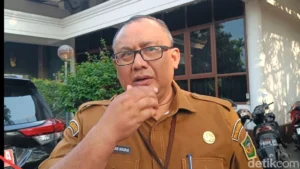
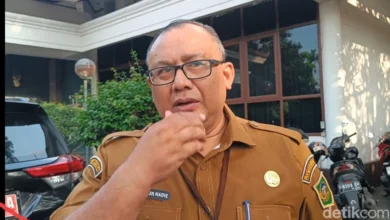
Didik Anggono, the Head of Satpol PP Kota Solo, confirmed the findings of the raid. He stated that "Ruang Bahagia" was found to be in possession of and selling alcoholic beverages belonging to Golongan B and C without the necessary permits. "The permit is only for Golongan A. However, in practice, they were selling Golongan B and C without official permission," Anggono explained to detikJateng on Tuesday, July 21st (note: the article states 2026, which is likely a typo and should be 2024 or 2023 based on current events).
Anggono elaborated on the modus operandi, detailing how the drinks were poured from original bottles into plastic cups. He described the cups as resembling "jumbo iced tea" to further obscure the contents. The coded markings on the cups were identified as a deliberate attempt to "deceive officers." The lack of billing was also highlighted as a tactic to create a false impression of legitimate operations.
Following the discovery, Satpol PP reportedly implemented a temporary closure of the establishment. This action, while a standard initial step in such enforcement actions, has been deemed insufficient by some local officials.
Legislative Scrutiny: Calls for Harsher Penalties
The transparency of the illegal sales and the calculated nature of the circumvention have led to strong reactions from the legislative branch. Daryono, the Deputy Chairman of the Surakarta City DPRD (Regional People’s Representative Council), expressed his appreciation for Satpol PP’s efforts in uncovering the illicit trade. However, he was unequivocal in his demand for more severe consequences.
"If the form is still in bottles, they might be able to claim ignorance. But this is very clear that they are ‘tricking’ (mengakali) by changing the packaging into cups. This shows a malicious intent from the beginning because they knew it was forbidden, and then they circumvented it," Daryono stated in a media interview.
Daryono emphasized that the act of altering the original packaging into cups was a clear indication of a planned effort to violate the Regional Regulation (Perda) concerning the circulation of alcoholic beverages in Solo. "That is not allowed, tricking with cup packaging. That means there is clearly malicious intent, an intention to then violate a rule in a planned manner," he asserted.
He argued that the temporary closure imposed by Satpol PP was insufficient to create a deterrent effect. Therefore, he urged the Solo Municipal Government (Pemkot Solo) to take more drastic measures, specifically the revocation of business licenses. "In my opinion, not just a temporary closure. It must be a total closure and revocation of the permit. This is already a planned intent to violate the rules," Daryono concluded.
Jurisdictional Authority: Pemkot Solo’s Role
A key point raised by Daryono concerns the jurisdictional authority of the Pemkot Solo, even though Lokananta is managed by a central government entity. He clarified that while Lokananta is a central institution, the territorial authority and the responsibility for enforcing regulations and policies within its area lie with the Pemkot Solo.
"Lokananta is a central institution, but in terms of territoriality, the policymaker is the Pemkot Solo. The revitalization of Lokananta has a good purpose for tourism and education, but if there are violations like this, we must be firm. This is a serious problem that must be resolved immediately through active coordination between the Pemkot and the management of Lokananta," Daryono explained.
He underscored the expectation that the Pemkot Solo should promptly issue official complaints and make definitive decisions regarding the permits of outlets within Lokananta to prevent similar incidents from recurring. "The Pemkot Solo should immediately coordinate actively to inform about that, to make complaints like that, and to emphasize the decision of the Pemkot Solo as the territorial authority with its power to emphasize that the permit for that outlet has been revoked," he concluded.
Implications and Broader Impact
The incident at Lokananta has several significant implications for the city of Solo:
- Upholding Public Order and Regulations: The core issue is the adherence to established laws and regulations designed to maintain public order and safety. The deliberate circumvention of these rules by commercial entities undermines the authority of local governance and can lead to negative social consequences.
- Reputation of Lokananta: Lokananta is a symbol of Solo’s cultural heritage and a growing tourist attraction. Such violations within its premises can tarnish its reputation and potentially deter visitors who expect a safe and orderly environment. The revitalization efforts aim to enhance its appeal, and incidents of illegal activities can counteract these positive developments.
- Economic Disparities and Fair Competition: Allowing businesses to operate with impunity by flouting regulations can create an uneven playing field for legitimate businesses that comply with all legal requirements. This can lead to unfair competition and potentially drive compliant businesses out of the market.
- Public Health Concerns: The unregulated sale of alcoholic beverages, especially those with higher alcohol content, poses public health risks. Without proper oversight, there is a greater chance of overconsumption, alcohol-related illnesses, and potential harm to individuals and the community.
- Need for Inter-Agency Coordination: The situation highlights the importance of effective coordination between different levels of government and various enforcement agencies. While Satpol PP acts as the front-line enforcer, the Pemkot Solo holds the ultimate policy and licensing authority. Clear communication and collaborative action are crucial to address such issues effectively.
- Deterrence and the Effectiveness of Sanctions: The debate over the severity of sanctions is central. If penalties are perceived as too lenient, businesses may view violations as a calculated risk with minimal consequences. Stricter sanctions, such as license revocation, are intended to serve as a stronger deterrent and send a clear message that such behavior will not be tolerated.
The call for license revocation by local lawmakers signifies a demand for a zero-tolerance approach towards blatant disregard for the law. It underscores the belief that the integrity of Solo’s regulatory framework and the safety of its community depend on decisive and robust enforcement. The Pemkot Solo is now under pressure to act decisively, not only to address this specific violation but also to set a precedent that reinforces the importance of lawful business practices within its jurisdiction, regardless of the ownership or management structure of the premises involved. The future enforcement actions and the Pemkot’s response will be closely watched as indicators of Solo’s commitment to maintaining law and order and fostering a responsible business environment.