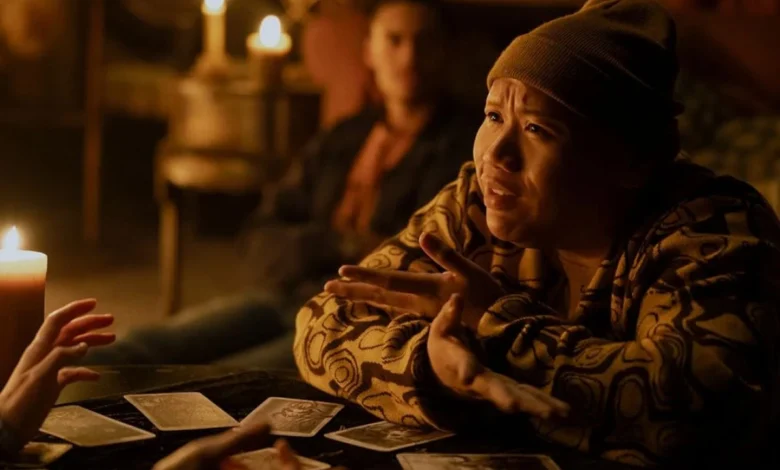
Jakarta is witnessing a subtle yet pervasive cultural shift as esoteric practices find a seamless home within the digital landscape. Tarot card reading, once confined to dimly lit rooms and specialized esoteric circles, is now ubiquitously found across social media platforms like TikTok, Instagram, and YouTube. Content creators and professional readers offer daily, weekly, or personalized readings, purporting to answer urgent human inquiries regarding romance, career trajectories, financial stability, and glimpses into an uncertain future. While a segment of the audience treats these digital spreads as harmless entertainment or a novel tool for self-reflection and introspection, a substantial number of individuals utilize the interpretations as definitive guidance for critical life decisions. This rising phenomenon has sparked urgent theological discussions regarding how adherents of Islam should approach tarot readings, given the strict foundational tenets concerning the unseen and divine preordainment.
The historical evolution of tarot cards provides vital context to modern practices. Originating in 15th-century Europe, tarot was initially conceived and played strictly as a parlor card game rather than a mystical instrument. It was not until the late 18th and 19th centuries that esoteric movements transformed the deck into a tool for divination, attributing mystical symbolism to the Major and Minor Arcana. In contemporary times, the digital age has democratized access to these readings through algorithmic feeds, automated tarot chatbots, and interactive livestreams. This accessibility has dramatically increased the exposure of younger demographics to divination practices, blurring the line between casual digital content and serious metaphysical belief.
At the core of the Islamic theological response to tarot reading is the absolute exclusivity of divine knowledge regarding the unseen. Islamic jurisprudence strictly dictates that the future and hidden matters belong exclusively to Allah SWT. This theological boundary is explicitly reinforced in the Holy Quran, specifically in Surah An-Naml, verse 65, which translates to declare that none in the heavens and the earth knows the unseen except Allah. Islamic scholars emphasize that placing faith, hope, or directional trust in any methodology, ritual, or individual claiming to unveil destiny directly contradicts the foundational monotheistic worldview of Islam. When a tarot reader interprets a spread of symbols and presents those interpretations as absolute truths about upcoming life events, the practice crosses the threshold from benign psychological introspection into forbidden divination.
From the perspective of Islamic law, or Fiqh, seeking insights from tarot cards parallels classical forms of fortune-telling and sorcery practiced by traditional soothsayers, known historically as kahin and arraf. Authoritative religious bodies, including scholarly discourses published by platforms like NU Online, have repeatedly highlighted the inherent dangers of consulting tarot readers for predictive purposes. The prohibition is not merely directed at the practitioner, but extends vigorously to the consumer. Islamic tradition preserves rigorous warnings narrated in authentic Hadiths regarding individuals who visit prognosticators.
A prominent narration recorded by Imam Ahmad explicitly warns that anyone who visits a fortuneteller and subsequently believes in the veracity of their statements has effectively disbelieved in the divine revelations brought by Prophet Muhammad SAW. This severe theological repercussion underscores the gravity with which mainstream Islamic jurisprudence treats attempts to bypass divine decree through esoteric consultation. Furthermore, the warnings extend even to those individuals who approach practitioners purely out of casual curiosity without necessarily forming a deep, foundational belief in the prophecies.
Addressing the nuance of casual inquiry, Islamic rulings make specific provisions regarding the act of merely asking questions. According to a frequently cited tradition documented in Sahih Muslim (Hadith number 2230), the Prophet Muhammad SAW stated that whoever approaches a diviner and asks them about a matter will have their prayers rejected for forty consecutive nights. Islamic scholars clarify that this rejection of prayers pertains specifically to the forfeiture of spiritual rewards and divine acceptance associated with the prayer, rather than a cancellation of the physical obligation to perform the daily prayers. Consequently, individuals who perform obligatory acts of worship remain bound to their religious duties, yet they are deprived of the spiritual virtues of their prayers as a consequence of seeking occult counsel. This theological nuance thoroughly dismantles the common justification that consulting tarot readers out of fleeting curiosity or harmless experimentation is entirely consequence-free.
Discussions surrounding the physical cards themselves often necessitate a clear distinction between the object and its intended usage. Organizations such as the Majelis Tarjih of Muhammadiyah, a prominent Islamic reformist movement in Indonesia, note that while there may not be a singular, explicit fatwa dedicated exclusively to the cardboard decks of tarot, the overarching principles governing divination, superstition, and the safeguarding of aqidah (faith) serve as the primary legal framework. If the cards are utilized purely as historical artifacts, artistic expressions, or within the boundaries of a non-predictive game devoid of metaphysical claims, the fundamental ruling differs from instances where the cards are deployed to pierce the veil of the future. However, given the overwhelming modern association of tarot with divination and esoteric forecasting, scholars generally advise caution to prevent unnecessary exposure to doubtful matters.
To systematically evaluate the implications of this digital trend, observers and sociologists point toward several key factors influencing modern users:
- Digital Accessibility: The ubiquity of social media algorithms frequently thrusts tarot content onto vulnerable or impressionable feeds, normalizing divination among Gen Z and millennial demographics.
- Economic and Psychological Uncertainty: Periods of macroeconomic instability, employment anxieties, and interpersonal stress often drive individuals toward esoteric solutions as a coping mechanism for decision-making paralysis.
- Erosion of Critical Thinking: Relying on symbolic card interpretations rather than data-driven decision-making, professional counseling, and personal accountability can impair an individual’s problem-solving capabilities.
- Spiritual Disconnect: Over time, habitual reliance on external, mystical validation diminishes a believer’s reliance on prayer, personal introspection, and active trust in divine wisdom.
In light of these challenges, mainstream Islamic guidance encourages adherents to navigate the uncertainties of the future through established, constructive avenues. Rather than outsourcing life decisions to the random shuffle of a card deck, individuals are directed to engage in proactive effort (ikhtisar), earnest supplication (dua), meaningful consultation with trusted family or experts (shura), and ultimate reliance on divine decree (tawakul). When confronting major crossroads concerning career paths, marriage, or financial investments, religious authorities advocate for rational analysis, factual assessment, and internal moral reflection rather than dependence on ambiguous symbolic interpretations.
Ultimately, the burgeoning popularity of tarot reading within digital spaces highlights a broader human quest for certainty in an unpredictable world. Yet, within the Islamic paradigm, the comfort sought through divination is viewed as illusory and spiritually hazardous. By reaffirming the exclusivity of divine knowledge and prioritizing grounded, ethical decision-making, the Islamic framework encourages believers to face the future with resilience, spiritual grounding, and an unwavering trust in the unseen wisdom of the Creator.