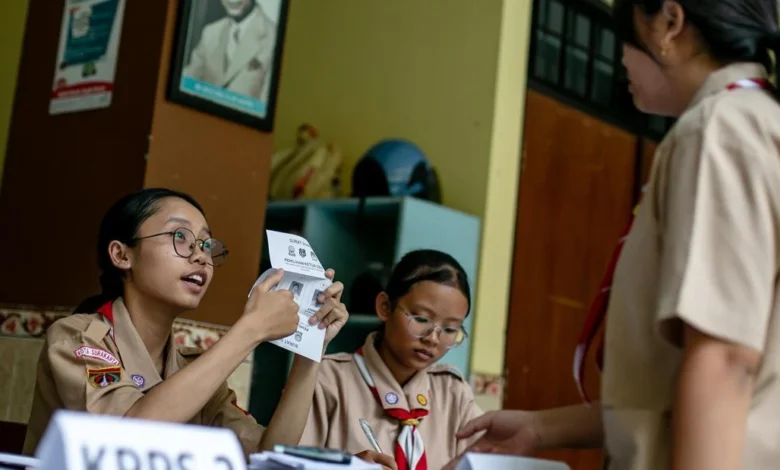
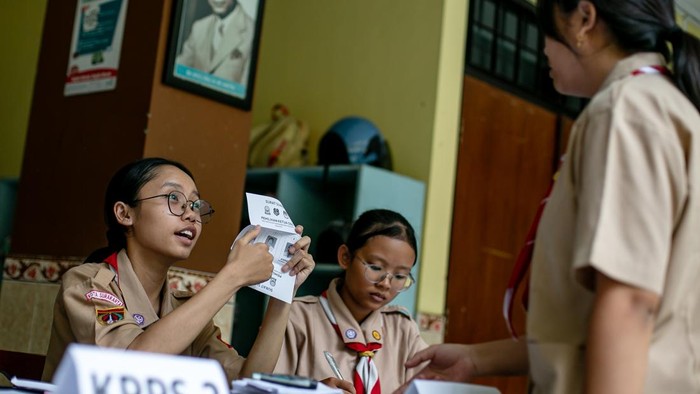
The democratic landscape in Indonesia is undergoing a significant evolution, starting from the foundational levels of secondary education. On Friday, November 6, 2026, SMK Marsudirini in Solo, Central Java, transformed its school hall into a miniature polling station, conducting the election for the Student Council (OSIS) chairperson using the rigorous procedural standards of a national General Election (Pemilu). This initiative, which was executed in collaboration with the General Election Commission (KPU) of Solo, serves as a strategic intervention to cultivate civic responsibility, electoral literacy, and political consciousness among first-time voters.
The Anatomy of the Simulated Election
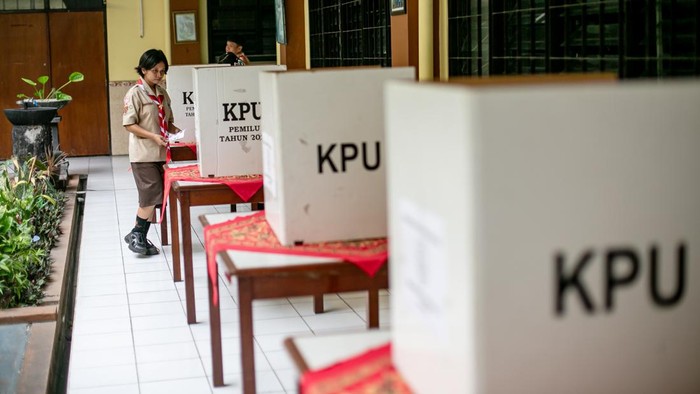
The exercise was not merely a symbolic gesture; it was a meticulous replication of the democratic machinery used in Indonesia’s legislative and executive elections. Students were tasked with navigating the entire lifecycle of a voting process, from the verification of voter identity to the final casting of ballots in private booths.
By mirroring the official KPU protocols, the school aimed to demystify the complexities of the electoral process. Participants were required to present identification, receive official ballot papers, mark their choices in designated booths, and deposit their votes into sealed boxes. The presence of KPU officials ensured that the technical aspects—such as the proper handling of ballots and the maintenance of voting secrecy—were conducted with professional precision. This immersive approach allows students to transition from abstract concepts of democracy learned in civics textbooks to tangible, experiential learning.
Chronology and Execution
The event, which took place throughout the day on Friday, followed a structured timeline designed to mirror national voting procedures. Preparation began weeks in advance, with candidates for the OSIS chairperson position undergoing a campaign phase, during which they presented their vision, mission, and platforms to their peers. This phase was crucial for teaching students about the importance of accountability, platform-based politics, and the ethics of campaigning.

On the day of the election, the atmosphere at SMK Marsudirini was marked by a blend of youthful enthusiasm and the solemnity associated with national civic duties. The voting process commenced in the morning, with students rotating by grade level to ensure an orderly flow. Election officers, comprised of students themselves, were trained to manage the polling station, handle inquiries, and ensure that no voter was disenfranchised. The culmination of the event involved a transparent counting process, where the results were tallied in the presence of student observers and faculty members, reinforcing the principles of transparency and public accountability.
The Role of KPU in Civic Education
The involvement of the KPU of Solo represents a growing trend in Indonesian civic education, where electoral bodies take an active role in reaching out to schools to prepare the next generation of voters. With the demographic bonus in Indonesia, the youth vote has become a pivotal force in national politics.
According to data from the national census, a significant portion of the electorate consists of Gen Z and younger Millennials, many of whom are first-time voters in upcoming cycles. Educators and political scientists have long argued that without proper orientation, these voters may feel alienated from the political process or susceptible to misinformation. By partnering with the KPU, SMK Marsudirini is addressing this gap, providing students with a direct line to official information regarding their rights and responsibilities as citizens. This partnership also helps to dispel myths about the voting process, such as concerns over voter fraud or the perceived complexity of administrative requirements, by showing students that the system is designed to be accessible and secure.
Pedagogical Implications and Student Engagement
The integration of the Pemilu system into the school environment serves as a powerful pedagogical tool. It moves beyond the traditional classroom setting, fostering critical thinking and leadership skills. Students who run for office learn the rigors of public service and the necessity of consensus-building, while those who vote learn the weight of their democratic power.
Research in social studies education suggests that students who participate in high-fidelity simulations of democratic processes are more likely to exhibit higher levels of political efficacy—the belief that their individual actions can influence the political system. Furthermore, by experiencing the process in a controlled environment, students are better equipped to handle the psychological and social aspects of voting, such as respecting the choices of others and accepting election results with sportsmanship.
Broader Impact on National Political Culture
The implications of this initiative extend well beyond the walls of SMK Marsudirini. As Indonesia continues to consolidate its democracy, the quality of its elections depends heavily on the informed participation of its citizens. Initiatives like the one in Solo serve as a microcosm for the national effort to improve voter turnout and the quality of political discourse.
If replicated across other educational institutions, these simulations could contribute to a reduction in the number of "golput" (voters who abstain) among the younger demographic. When young people understand the mechanics of the ballot box and the impact of their choice on their immediate school community, the transition to participating in municipal, provincial, and national elections becomes significantly more natural.
Moreover, this practical training fosters a culture of accountability. By treating the election of a student leader with the same seriousness as a mayoral or presidential race, the school underscores the message that leadership is a responsibility, not a privilege. It teaches students that they have the right to hold their representatives to their campaign promises—a fundamental pillar of any functioning democracy.
Analyzing the Challenges
While the benefits of this simulation are evident, the long-term success of such programs depends on their consistency and scale. A one-time event is a valuable start, but the true impact is realized when democratic values are woven into the fabric of the school culture throughout the year.
Furthermore, the challenge remains in ensuring that such simulations remain neutral and free from political bias. The partnership with the KPU is a vital safeguard in this regard, ensuring that the information provided to students aligns with the official legal framework of the Indonesian electoral system. As the school continues to refine its approach, it may consider incorporating modules on digital literacy, helping students navigate the influence of social media on political opinion—a modern challenge that did not exist in the same form for previous generations of voters.
Conclusion
The simulation conducted at SMK Marsudirini is a testament to the proactive role that educational institutions can play in nurturing the democratic spirit. By engaging with the KPU and adopting the formal structures of a national election, the students of SMK Marsudirini are not just electing a leader for their school; they are preparing themselves for their future roles as active, informed participants in the Indonesian democratic process.
As these students eventually graduate and step into the larger world of national politics, they will carry with them the lessons of this day: that the vote is a powerful instrument of change, that the process is as important as the outcome, and that democracy is a living, breathing system that requires the participation and vigilance of every citizen. The event in Solo stands as a beacon for other schools across the archipelago, demonstrating that when it comes to the future of the nation, the classroom is the most critical starting point. By investing in the electoral literacy of youth today, Indonesia is securing the integrity and vitality of its democratic future for decades to come.