Understanding BPJS Kesehatan Categories: A Comprehensive Guide to PBI and Non-PBI Membership in Indonesia’s JKN Program

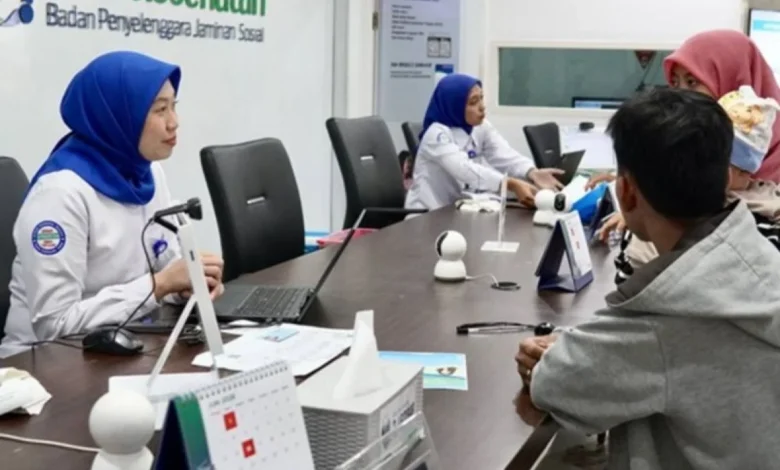
The national healthcare landscape in Indonesia continues to evolve under the administration of the national social security agency, Badan Penyelenggara Jaminan Sosial (BPJS) Kesehatan. Operating as the cornerstone of the universal health coverage initiative known as the National Health Insurance (Jaminan Kesehatan Nasional or JKN) program, BPJS Kesehatan categorizes its massive pool of participants into two fundamental groups: Penerima Bantuan Iuran (PBI) and Bukan Penerima Bantuan Iuran (Non-PBI). While both segments fall under the umbrella of the JKN program, they maintain distinct criteria for eligibility, varied mechanisms for registration, and entirely separate pathways for premium payments.
These structural divisions are anchored in regulatory frameworks, most notably Government Regulation Number 82 of 2018 regarding Health Insurance, which has undergone periodic amendments to adapt to changing socio-economic conditions, with the latest significant update reflected in Government Regulation Number 59 of 2024. As healthcare access remains a primary pillar of national welfare, understanding the nuanced differences between PBI and Non-PBI memberships is vital for millions of Indonesian citizens seeking to navigate their rights, streamline administrative processes, and ensure uninterrupted access to medical services.
Decoding BPJS Kesehatan PBI: Protecting Vulnerable Populations
The Penerima Bantuan Iuran (PBI) category represents the government’s direct commitment to social welfare, specifically tailored for impoverished and underprivileged individuals who meet strict criteria established by the state. Under this scheme, participants are not required to pay monthly out-of-pocket premiums. Instead, the financial burden of their health insurance is fully shouldered by the central government through the state budget (APBN).
However, qualifying for PBI status involves more than a subjective acknowledgment of financial hardship. Eligibility is tightly regulated and contingent upon formal data verification processes overseen by government authorities. A critical milestone in this governance arrived with the implementation of Social Affairs Ministerial Regulation Number 3 of 2026, which overhauled the procedures for updating PBI recipient data. This framework dictates the explicit requirements, modification protocols, and funding mechanisms for PBI Health Insurance, drawing data directly from the National Single Social and Economic Data (Data Tunggal Sosial and Ekonomi Nasional or DTSEN).
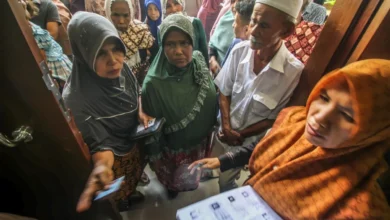
Consequently, citizens who believe they fulfill the criteria for poverty alleviation assistance but remain unregistered cannot simply self-enroll without proper channel verification. They are required to engage with local social affairs offices (Dinas Sosial) or regional governments to navigate the institutional data collection and proposal procedures. This rigorous oversight aims to minimize misallocation of state funds, ensuring that subsidies reach the most vulnerable segments of the population.
Analyzing BPJS Kesehatan Non-PBI: Employment-Based and Independent Schemes
In contrast to the fully subsidized PBI framework, the Non-PBI category encompasses a vast and diverse segment of the population whose health insurance financing is managed through employment relations, independent contributions, or regional government assistance. The Non-PBI group is systematically divided into three major subcategories based on employment status and contribution mechanisms:
-
Wage-Receiving Workers (Pekerja Penerima Upah or PPU): This group comprises individuals who earn a regular salary or wage from an employer, spanning civil servants, state enterprise employees, and private-sector workers. Contributions for PPU members are fulfilled through a mandated shared-responsibility scheme involving both the employee and the employer, deducted automatically to maintain active coverage.
-
Non-Wage-Receiving Workers (Pekerja Bukan Penerima Upah or PBPU): Tailored for self-employed individuals, independent entrepreneurs, freelance workers, and traders who do not draw a fixed salary from an institutional employer. These participants generally manage their own monthly premium payments according to the tier of service they select.
-
Non-Workers (Bukan Pekerja or BP): This category covers individuals who do not fall into active labor sectors but require JKN protection, prominently including retirees, pension recipients, and other specific groups defined by JKN regulations, with premium payment methods varying by specific sub-classification.
Furthermore, an auxiliary mechanism exists where regional governments (Pemerintah Daerah) register vulnerable residents not covered by the central PBI quota into local schemes, often referred to as PBPU or BP Pemda. In these instances, regional budgets subsidize or fully pay the premiums according to local fiscal capabilities and targeted welfare programs. Thus, Non-PBI status does not automatically denote individual out-of-pocket payment; rather, it highlights a diverse ecosystem of shared financing models.
Core Differences Between PBI and Non-PBI Membership
While the administrative pathways and funding structures diverge significantly, the ultimate objective of both PBI and Non-PBI memberships converges on equitable access to healthcare. The foundational differences lie in how individuals enter the system and how their contributions are financed. PBI relies entirely on state benevolence driven by poverty alleviation data, whereas Non-PBI relies on labor market participation, self-reliance, or regional fiscal interventions.
Despite these structural differences in financing, the clinical reality inside healthcare facilities remains uniform. Both PBI and Non-PBI participants possess identical rights to medical services under the JKN program. Treatment availability, diagnostic procedures, and pharmaceutical provisions are dictated strictly by clinical medical indications, healthcare needs, and established service procedures rather than membership category or funding source. An individual whose premiums are paid by the central government is entitled to the same standard of medical care as a corporate executive paying into a higher-tier Non-PBI scheme, provided both adhere to the procedural referral workflows.
Navigating the JKN Referral System and Administrative Compliance
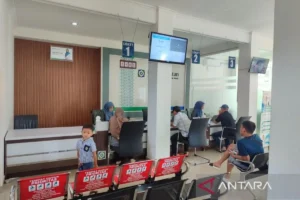
Regardless of whether a citizen belongs to the PBI or Non-PBI group, maintaining active membership status is an absolute prerequisite for utilizing BPJS Kesehatan services. The operational workflow of the JKN program mandates adherence to a structured healthcare delivery system. For routine medical consultations and non-emergency conditions, participants are required to initiate their healthcare journey at their registered Primary Healthcare Facility (Fasilitas Kesehatan Tingkat Pertama or FKTP), which includes community health centers (puskesmas), primary clinics, or designated family doctors.
Should a patient require specialized care that exceeds the capabilities of the FKTP, a formal medical referral is issued to advanced secondary or tertiary healthcare facilities, such as general hospitals. Emergency situations bypass this tiered workflow, allowing patients to seek immediate medical intervention at the nearest hospital emergency room regardless of their primary registration site, provided the emergency status is clinically validated.
Checking and Managing Membership Status
Given the dynamic nature of administrative data—particularly with ongoing updates to the DTSEN and employment transitions—proactive management of BPJS Kesehatan status is strongly encouraged for all participants. The agency provides digital tools, most notably the Mobile JKN application, alongside official customer service channels and messaging platforms, allowing citizens to verify their active status, review billing history, or check their specific membership category instantly.
For PBI participants, discrepancies or sudden deactivations often trace back to data reconciliation processes managed by social services. If an active PBI status lapses, individuals are advised to consult local social welfare offices to verify whether their data requires updating within the national database. Meanwhile, Non-PBI participants facing administrative hurdles, premium arrears, or employment status changes must coordinate with their employers, regional administrators, or official BPJS Kesehatan service desks to resolve pending matters.
Implications and Broader Impact on Universal Health Coverage
The clear delineation between PBI and Non-PBI memberships is more than an administrative formality; it is the structural engine driving Indonesia’s journey toward universal health coverage. By isolating society’s most vulnerable groups into a fully state-funded safety net while engaging the formal labor market and self-employed sectors through contributory models, the state maintains a sustainable fiscal balance.
However, the efficacy of this dual-track system heavily relies on data accuracy and public awareness. As regulations continue to mature—exemplified by recent updates in social welfare and administrative policies—minimizing data exclusion errors remains a persistent priority for policymakers. Ensuring that eligible impoverished citizens are captured accurately within the PBI framework prevents gaps in healthcare safety, while robust enforcement of contributory compliance among Non-PBI workers safeguards the long-term financial viability of the social security fund.
Ultimately, bridging the gap between administrative classification and seamless healthcare delivery requires continuous collaboration between central ministries, regional governments, healthcare providers, and the participants themselves. By understanding their specific category, rights, and procedural obligations, Indonesian citizens can fully leverage the protections offered by the JKN program, reinforcing a healthier and more resilient society.