Indonesian Horror Films Dominate Netflix Indonesia Trending Charts Towards the End of October 2026

The landscape of digital entertainment in Indonesia has witnessed a significant shift as the month of October 2026 draws to a close, with horror cinema asserting an overwhelming dominance on the Netflix Indonesia platform. Data collected from the streaming giant’s internal metrics indicates that local horror productions are not merely occupying space in the top ten, but are actively dictating the viewing habits of the Indonesian audience. This trend suggests a sustained cultural appetite for supernatural thrillers, mystery, and folklore-inspired narratives, which have become the cornerstone of the domestic film industry’s commercial success in recent years.
The current Netflix Top 10 list features a blend of domestic and international titles, yet the narrative weight is heavily tilted toward the macabre. Alongside these chilling tales, the charts are punctuated by occasional entries in the drama and documentary genres, highlighting a diverse, albeit horror-leaning, viewer profile. This report examines the top ten films currently captivating subscribers, the cultural implications of this genre dominance, and the broader trajectory of the Indonesian film industry as it approaches the final quarter of 2026.
The Top Ten Selection: A Snapshot of Viewer Preference
The following titles represent the most-watched content on Netflix Indonesia as of late October 2026, reflecting both critical reception and algorithmic popularity.
- Badut Gendong: This Indonesian horror production has captured the top spot by tapping into the visceral fear associated with folklore and psychological curses. The film’s success is attributed to its high production value and its ability to weave a narrative of ancestral vengeance that resonates with local superstitions.
- Cerita Lila: A masterclass in atmospheric dread, this film focuses on the dark history of a character named Lila. It effectively utilizes the "slow-burn" horror trope, keeping audiences engaged through a complex web of past secrets and supernatural interference.
- Kuyank: Addressing the intersection of domestic conflict and the occult, this film explores the dangers of engaging in dark rituals. Its popularity underscores the audience’s preference for horror that is grounded in relatable, albeit extreme, human experiences.
- Gara-Gara Warisan: Serving as the primary counter-balance to the horror influx, this comedy-drama provides a necessary reprieve. The story of three siblings battling over family inheritance remains a perennial favorite, appealing to the cultural importance of family dynamics in Indonesia.
- Surviving Hurricane Otis: This documentary-style feature provides a sobering look at disaster management and human resilience. By focusing on the real-world implications of climate-related crises, it has found a niche audience among those seeking non-fiction narratives.
- Khadam: Representing regional horror, this Malaysian production has crossed borders effectively, finding a receptive audience in Indonesia due to shared cultural sensibilities regarding the supernatural and household security.
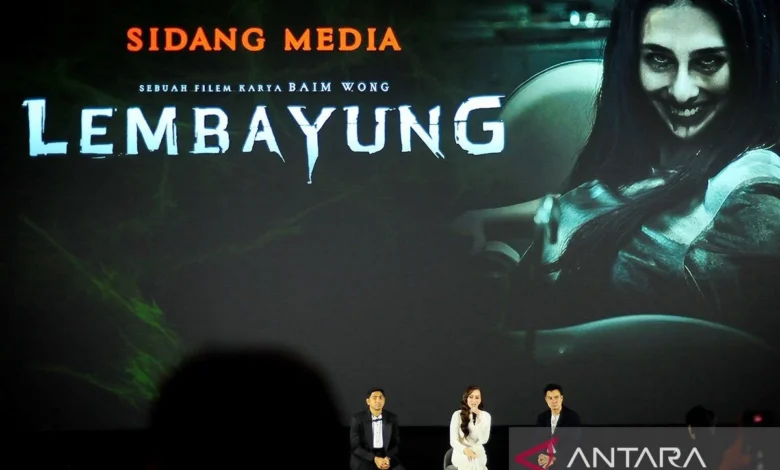
- Lembayung: Set in the claustrophobic confines of a dental clinic, this film has garnered attention for its unique setting. By turning a routine medical environment into a site of terror, the filmmakers have successfully exploited common anxieties, leading to high engagement metrics.
- The Djinn’s Curse 2: As a sequel, this film benefits from existing brand recognition. Its focus on grief and the dangerous desire to resurrect the dead provides a universal, albeit dark, emotional hook for viewers.
- Ain: This film provides a modern, cautionary tale regarding the obsession with social media validation. By blending supernatural elements with the vanity of influencer culture, it appeals to a younger, digitally native demographic.
- Mumun: A landmark in the horror-comedy subgenre, this film’s appearance in the top ten highlights the enduring legacy of the "Mumun" character in Indonesian pop culture. Its ability to balance genuine fear with comedic relief makes it a versatile choice for a wide range of viewers.
Chronology of the Horror Surge
The surge in horror popularity did not occur in a vacuum. Throughout 2026, the Indonesian film industry—often referred to as the "New Wave of Indonesian Cinema"—has seen an unprecedented investment in high-quality horror scripts.
- Early 2026: Industry reports indicated a record number of horror titles entering production, spurred by the post-pandemic success of localized supernatural dramas.
- Mid-2026: The release of several blockbuster horror films in domestic theaters created a "spillover effect," where titles transitioning to streaming platforms inherited a ready-made audience.
- October 2026: The Halloween season, while not a traditionally Indonesian holiday, has been adopted by the streaming industry as a peak marketing period. Netflix’s localized content strategy, which emphasizes "scare-tastic" collections, has aligned perfectly with the seasonal viewing habits of Indonesian subscribers.
Industry Analysis and Market Implications
The dominance of horror is not merely a matter of taste; it is a calculated result of industry economics. Horror films generally offer a higher return on investment (ROI) for producers compared to high-budget action or historical dramas. With lower production costs—often confined to single locations like the dental clinic in Lembayung or domestic houses in Kuyank—these films allow for higher profitability.
From the perspective of distribution, platforms like Netflix have identified that Indonesian horror possesses a "universal fear" quality that travels well. This means that a film like Badut Gendong or Lembayung is not just competing for the Indonesian audience, but is being positioned for potential export to neighboring markets in Southeast Asia and beyond.
Furthermore, the inclusion of Gara-Gara Warisan and Surviving Hurricane Otis suggests that while horror is the primary driver, the Netflix algorithm is successfully maintaining a "sticky" user base by providing diverse alternatives. This multi-genre strategy prevents platform fatigue, ensuring that subscribers remain on the service even when they require a break from supernatural narratives.
Official Perspectives and Industry Response
While official statements from production houses remain focused on the commercial success of their respective titles, industry analysts point to the professionalization of the Indonesian film sector as the true driver of this success.
"The rise in quality—better cinematography, sound design, and narrative structure—has removed the stigma that horror is a low-brow genre," says a senior observer of the Indonesian film industry. "When audiences see that a film like Lembayung or Cerita Lila matches the production values of international cinema, they are more likely to support local creators."
Additionally, the Indonesian Film Body (BPI) has been active in facilitating the distribution of these works. With over 250 Indonesian films currently in the pipeline for various platforms and theatrical releases, the industry is experiencing a logistical bottleneck that has paradoxically increased the value of films that successfully land on major streaming platforms. The ability to pivot to digital distribution has become a vital survival mechanism for many studios.
Future Outlook: Beyond the Horror Wave
As the industry looks toward the end of 2026 and into 2027, the primary question is whether this horror dominance is sustainable. Critics argue that market saturation is a looming risk. If every production house follows the same formula, the audience may eventually demand a return to high-concept dramas, thrillers, or epic historical pieces.
However, for the present, the data is clear: Indonesian viewers are finding comfort and excitement in the shadows. The success of these ten films serves as a testament to the creative vitality of Indonesian storytellers who have mastered the art of blending local mythology with modern cinematic techniques.
For the average viewer, the message is simple: the options are vast, but the preference is distinct. Whether it is the psychological tension of Cerita Lila or the dark humor of Mumun, the current Netflix lineup in Indonesia serves as a vibrant, if terrifying, mirror of contemporary cultural trends. As Netflix continues to refine its recommendations based on this high engagement, it is likely that the "Horror First" trend will persist through the remainder of the year, cementing 2026 as a definitive year for the genre in the Indonesian archipelago.
Ultimately, the synergy between local production houses, streaming giants, and the viewing public has created a golden age for Indonesian genre cinema. The industry’s ability to leverage digital platforms has not only secured its financial viability but has also ensured that Indonesian voices—no matter how frightening—are being heard on a global stage. As the year draws to a close, the focus will undoubtedly shift to which of these films will transition into franchises, potentially leading to a new cycle of sequels and spin-offs that will continue to populate the charts well into 2027.
Related posts: