Honda Motra Renaissance: Japanese Automaker Eyes Modern Revival of Iconic Utility Mini-Bike

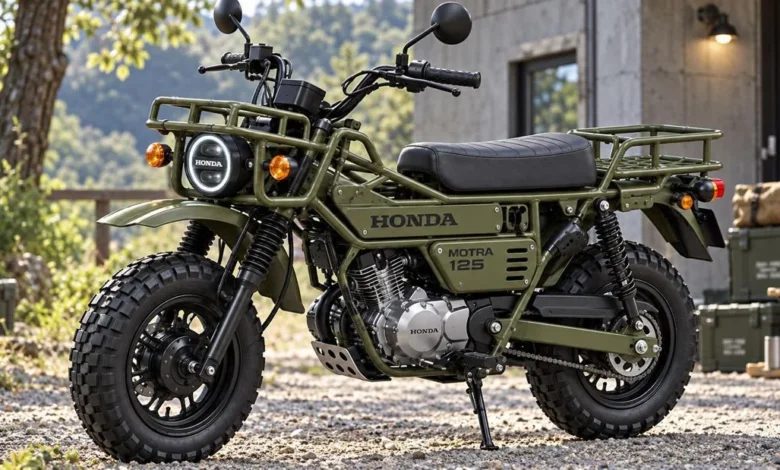
Honda is reportedly preparing to breathe new life into the Motra, the cult-classic mini-bike originally introduced in 1982, as emerging patent filings suggest a modern reinvention of the utilitarian platform. Known for its distinctively industrial, boxy aesthetic and rugged functionality, the Motra carved a niche in the early 1980s as a specialized tool for adventure and light cargo hauling. Recent intellectual property disclosures indicate that Honda is actively exploring a modular architecture that could support both traditional internal combustion engines and electric powertrains, signaling a strategic shift toward blending heritage design with contemporary sustainable technology.
The Historical Significance of the Honda Motra
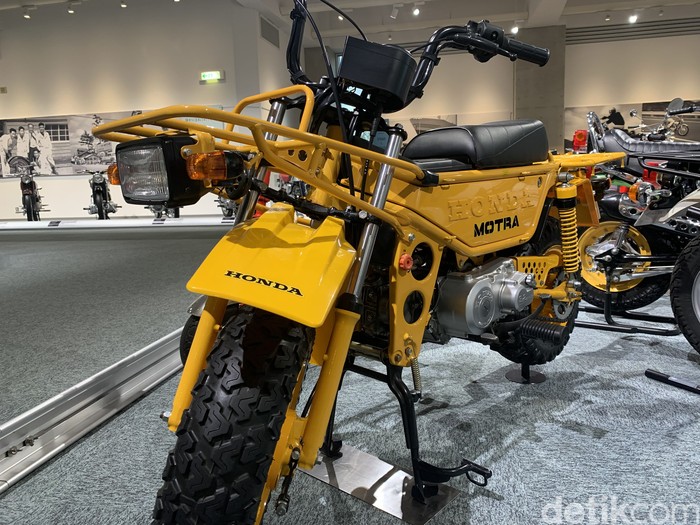
To understand the weight of a potential Motra revival, one must look back to its brief but impactful lifespan. Introduced in 1982, the Honda Motra was not designed for speed or performance, but for sheer utility. It was the antithesis of the sleek, aerodynamic motorcycles that were beginning to dominate the market at the time. With its rigid tubular steel frame, heavy-duty cargo racks, and oversized, knobby tires, the Motra was essentially a two-wheeled pickup truck.

During its two-year production run, the Motra gained a dedicated following among outdoor enthusiasts and those in Japan who valued its “go-anywhere” capability. It was equipped with a 50cc four-stroke engine paired with a dual-range transmission, allowing it to tackle steep inclines with a heavy load. Despite its limited distribution, the Motra became a prized asset for collectors in the decades that followed, often fetching significant premiums at auction due to its unique identity as a "utility mini-bike."
Decoding the Recent Patent Filings
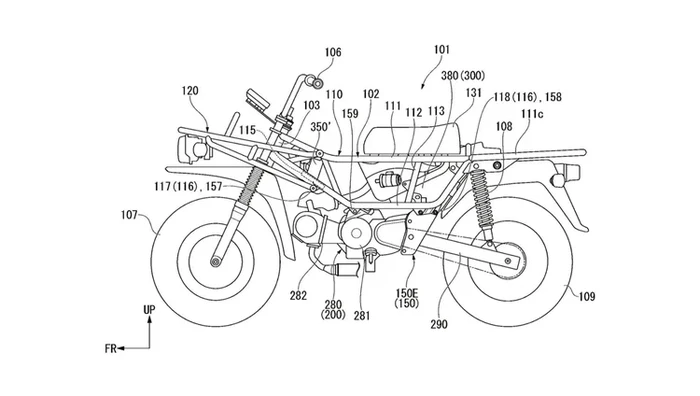
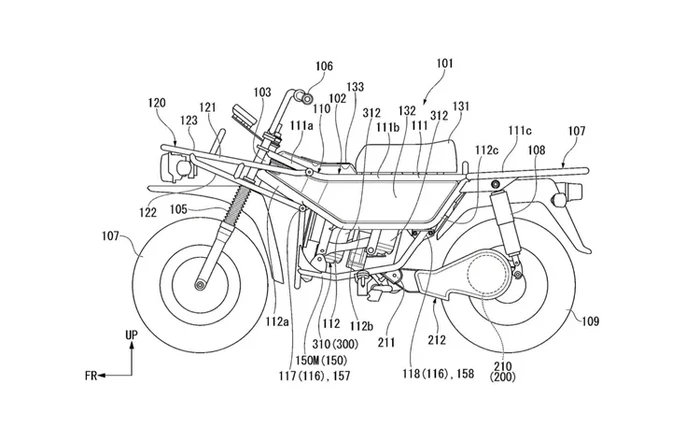
The recent discovery of patent imagery has set the automotive industry abuzz, as the designs feature unmistakable nods to the original Motra silhouette. The sketches depict a compact, rectangular frame that mimics the functional geometry of the 1980s original. However, the most compelling aspect of the filings is the versatility of the chassis design.
Engineers at Honda appear to be developing a "plug-and-play" style frame structure. This architecture is designed to accommodate a standard gasoline powertrain in one configuration and a battery-electric drive system in another. By utilizing a common chassis, Honda could theoretically maximize manufacturing efficiency while offering consumers a choice between the familiar mechanical engagement of an internal combustion engine and the instant torque and low maintenance of an electric motor.
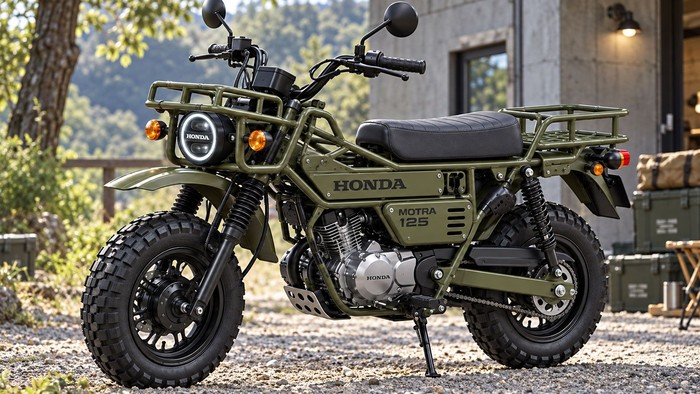
The inclusion of robust front and rear cargo racks—a signature feature of the 1982 model—confirms that the design philosophy remains anchored in utility. These racks are not merely aesthetic; they are structurally integrated into the frame, reinforcing the idea that the new Motra is intended to serve as a functional workhorse for urban commuters, delivery services, or off-road enthusiasts.
Chronology of Honda’s Mini-Bike Evolution
Honda has long been the market leader in the mini-bike segment, a dominance that began with the legendary Z50 series, affectionately known as the "Monkey bike." The following timeline highlights how Honda has strategically curated its small-displacement portfolio:
- 1964: Introduction of the Honda Z50M, the first of the legendary Monkey series.
- 1982: Launch of the Honda Motra, designed specifically for heavy-duty cargo hauling.
- 1984: Discontinuation of the original Motra after two years of production.
- 2018: Honda revives the Monkey and Super Cub C125, sparking a global resurgence in interest for retro-styled small motorcycles.
- 2021: Launch of the Navi, a hybrid of scooter convenience and motorcycle styling, aimed at younger, urban demographics.
- 2026 (Present): Patent filings for a new-generation Motra emerge, suggesting a dual-fuel/electric platform approach.
Market Context and Strategic Implications
The decision to revive the Motra fits perfectly into Honda’s broader "retro-modern" strategy. In recent years, the company has successfully capitalized on nostalgia by reintroducing updated versions of the Monkey, the Dax, and the Super Cub. These models have become significant revenue drivers, appealing both to older generations who remember the originals and to younger riders drawn to the unique, custom-friendly aesthetic.
From a market perspective, a new Motra would occupy a "micro-utility" segment that is currently underserved. While the market is saturated with high-performance sportbikes and heavy adventure tourers, there is a clear demand for compact, efficient, and stylish urban transport. The rise of "last-mile" delivery services and the increasing urbanization of global cities make the Motra a potentially viable candidate for commercial adoption, provided the electric version offers competitive range and battery-swapping capabilities.
The Electric Transition
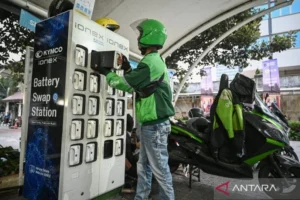
The transition to electric mobility is a core pillar of Honda’s mid-term corporate strategy. By incorporating an electric variant into the Motra design, Honda is demonstrating its commitment to electrification without abandoning its heritage. The modular platform allows for a scalable production strategy. If the gasoline version maintains the spirit of the 1982 model, the electric version—likely featuring a swappable battery pack similar to the technology found in Honda’s "Honda Mobile Power Pack" ecosystem—could position the Motra as a leader in sustainable micro-mobility.
Analysts suggest that the potential for such a vehicle is high in dense metropolitan areas like Tokyo, Bangkok, and parts of Europe, where parking is scarce and maneuverability is paramount. By leveraging the strong brand equity of the Motra name, Honda can differentiate this new model from generic electric scooters currently flooding the market.
Technical Speculation and Industry Reactions
While official specifications remain under wraps, industry experts anticipate that the new Motra will likely feature modern amenities that were absent in the 1980s, such as LED lighting, digital instrumentation, and advanced braking systems. The "dual-range" transmission of the original is unlikely to return in its mechanical form; instead, it may be replaced by electronic drive modes that simulate torque management for different terrains.
Industry insiders suggest that Honda is aiming for a "lifestyle-oriented" vehicle. This means the bike will likely be marketed alongside a catalog of accessories, allowing owners to customize the cargo racks for anything from camping gear to surfboard mounts. The focus will be on modularity, enabling the user to adapt the bike to their specific lifestyle needs.
Broader Economic and Environmental Impact
The reintroduction of the Motra is not just a nostalgic exercise; it is an economic response to changing transport habits. As global cities implement stricter emission zones, the need for clean, compact vehicles becomes more pressing. A lightweight, electric Motra could provide a lower-carbon alternative to traditional internal combustion motorcycles, helping to reduce the overall environmental footprint of urban commuting.
Furthermore, the manufacturing of a modular platform reduces development costs. By sharing components across the gas and electric variants, Honda can achieve economies of scale that keep the final price point accessible. This pricing strategy is crucial if Honda intends to compete with the wave of budget-friendly electric micro-bikes emerging from manufacturers in China and Southeast Asia.
Challenges and Future Outlook
Despite the excitement, the path to production is not without obstacles. Meeting modern safety regulations—such as the integration of ABS (Anti-lock Braking System) and advanced lighting standards—within the footprint of a mini-bike is a complex engineering task. Additionally, the challenge of maintaining the "raw" aesthetic of the original steel-tube frame while meeting contemporary structural integrity standards will require significant ingenuity from Honda’s design team.
However, given Honda’s historical ability to balance form and function, the project is seen as a high-probability venture. If the patent filings translate into a production model, it would represent one of the most interesting developments in the small-displacement motorcycle category in over a decade.

For now, the automotive world continues to monitor the situation, awaiting official confirmation from the manufacturer. Whether it debuts at an upcoming Tokyo Motor Show or as a surprise reveal in a global product showcase, the "Motra" name carries a weight that few other small motorcycles possess. If Honda successfully integrates the utilitarian soul of the 1982 classic with the cutting-edge versatility of a dual-platform electric drive, they may very well create the next icon of urban mobility.
The revival of the Motra would serve as a powerful testament to the idea that great design is timeless. By looking backward to honor its heritage, Honda appears to be moving forward with a clear vision for the future of personal transport—a future that is compact, rugged, and increasingly electric. As the industry moves away from the oversized and the complex, the return of a simple, honest, and highly capable utility bike might just be the shift that urban riders have been waiting for.