Indonesian Mountain Biker Sayu Bella Sukma Dewi Secures Historic Bronze Medal in Women’s Cross-Country Olympic at the 2026 Asian Games in Nagoya

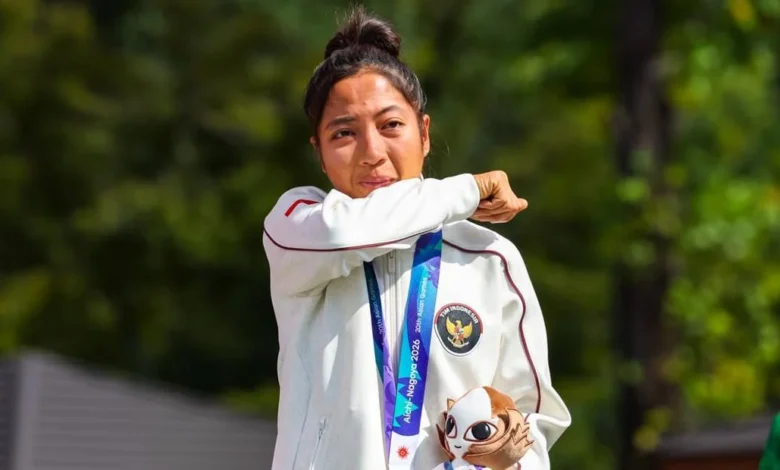
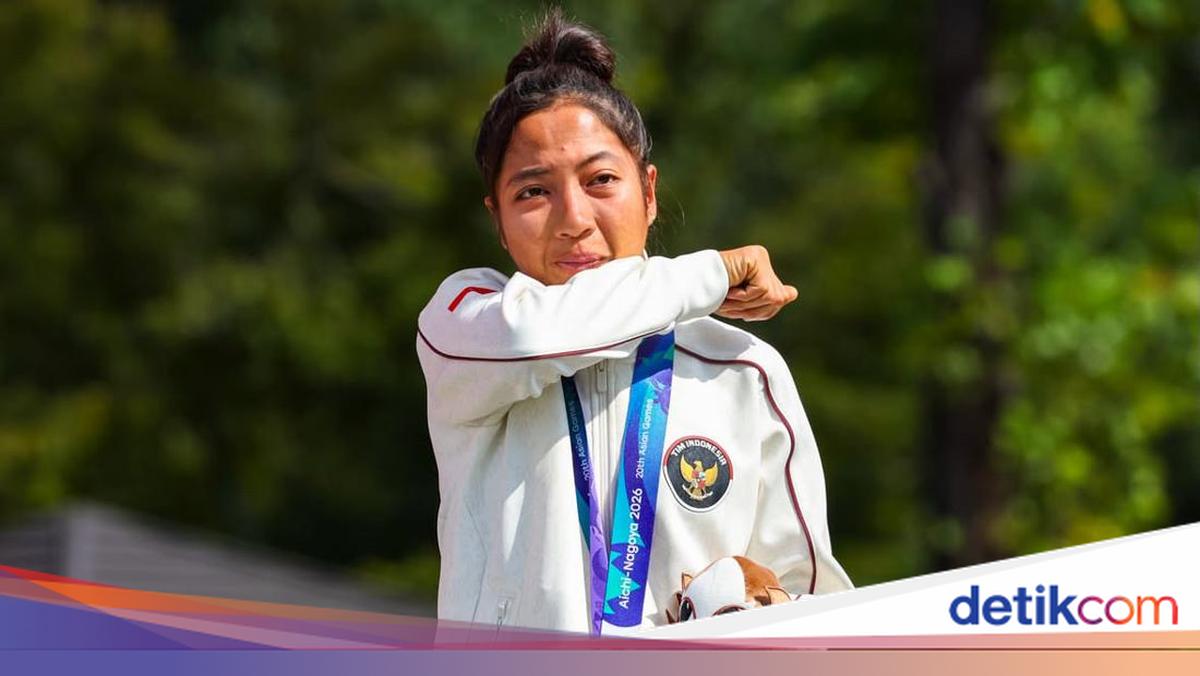
The Indonesian contingent competing at the 2026 Asian Games in Nagoya, Japan, has achieved a remarkable milestone in cycling as mountain biker Sayu Bella Sukma Dewi claimed a hard-fought bronze medal in the Women’s Mountain Bike Cross-Country Olympic (MTB-XCO) event. Competing against a world-class field at the Obata Ryokuchi Park, the Balinese athlete delivered a masterclass in resilience, endurance, and tactical execution to secure Indonesia’s first cycling medal of the ongoing multi-sport quadrennial games.
The achievement not only underscores the steady ascent of Indonesian cycling on the continental stage but also highlights the rigorous preparation and personal sacrifices made by the athlete. Sayu’s podium finish is the culmination of years of relentless training, strategic tactical adjustments, and an unyielding commitment to representing her country with distinction.
A Gruelling Battle at Obata Ryokuchi Park
The Women’s MTB-XCO race at the 2026 Asian Games was characterized by intense competition, demanding technical sections, and relentless physical exertion. Sayu Bella Sukma Dewi lined up alongside fifteen of Asia’s elite mountain bikers, facing a grueling course spanning seven distinct laps with a cumulative distance of 25.9 kilometers. Obata Ryokuchi Park presented a challenging layout featuring steep climbs, treacherous descents, and tight switchbacks designed to test the absolute limits of the competitors’ handling skills and cardiovascular capacity.
From the start gun, the pace was blistering. Demonstrating extraordinary confidence and tactical sharpness, Sayu surged to the front of the pack during the opening lap, clocking an impressive time of 12 minutes and 57 seconds to lead the race provisionally. However, maintaining the lead against seasoned continental competitors proved to be an immense challenge. As the race progressed into the middle laps, heavy hitters from cycling powerhouses across Asia applied sustained pressure, forcing lead changes and stretching the peloton.
Displaying remarkable maturity, Sayu refrained from burning out her energy reserves in a desperate attempt to chase the frontrunners. Instead, she settled into a consistent, sustainable rhythm, locking into the third position and defending it fiercely through the subsequent laps. Crossing the finish line with a total elapsed time of 1 hour and 28 minutes, the Indonesian rider secured the bronze medal, cementing her status among the elite echelon of Asian cross-country mountain bikers.
Overcoming Familiar Foes and Rigorous Preparation
The competitive landscape of the 2026 Asian Games mountain biking event held few surprises regarding the caliber of the opposition. The primary contenders standing between Sayu and the podium were the very same athletes she had faced months prior at the Asian Continental Championships in June 2026. During that continental showdown, Sayu finished just outside the podium spots in fourth place, providing her technical team with vital data regarding the gaps that needed to be bridged.
Reflecting on her journey from the continental championships to the podium in Nagoya, Sayu expressed profound satisfaction with the outcome. The bronze medal served as tangible validation of an intensive three-month training block characterized by a radical shift in her physical conditioning regimen.
"I and the coaching team gradually increased training intensity, particularly to push my performance ceilings during high-intensity racing," Sayu explained in an official statement released to the press. "My training level changed drastically. There was always a target for power output improvement in every single training session."
This scientific, data-driven approach to mountain biking represented a major evolution for the Indonesian athlete. By systematically measuring power metrics, optimizing VO2 max intervals, and refining technical cornering under fatigue, Sayu successfully closed the competitive deficit that separated her from the continental elite.
From Regional Aspirations to Continental Glory
The narrative of Sayu Bella Sukma Dewi’s athletic career is one of progressive milestones and expanding horizons. Hailing from Bali, Sayu admitted that during the formative years of her sporting journey, her ambitions were tethered to domestic multi-sport events rather than international championships. For many regional athletes in Indonesia, the National Sports Week (Pekan Olahraga Nasional – PON) represents the absolute pinnacle of competitive achievement.
"Honestly, I never imagined I could stand on an Asian Games podium," Sayu confessed. "Back then, I thought my journey might only go as far as the provincial sports week (Porprov) or PON. At that time, PON already felt like the highest possible level. Praise be to God, it turned out I could reach the SEA Games and the Asian Games to continually carry the Red and White flag."
This perspective shift highlights the broader systemic development of Indonesian cycling over the past decade. With improved talent identification programs, better infrastructure, and enhanced international exposure, athletes from regional backgrounds are increasingly finding pathways to global-standard competition. Sayu’s trajectory from local races to regional championships, followed by a historic gold medal at the 2023 SEA Games—where she ended Indonesia’s 10-year title drought in the women’s cross-country discipline—demonstrates a clear blueprint for success in Indonesian cycling.
Nerves, New Equipment, and Last-Minute Adjustments
Behind the calm exterior displayed on the race track lay weeks of intense psychological pressure and logistical hurdles. Elite mountain biking is heavily dependent on equipment technology, where fractions of a second can be won or lost based on suspension tuning, tire pressure, and frame geometry. Just two weeks prior to her departure for the Asian Games, Sayu received a major equipment update: the latest Polygon Syncline DR mountain bike, featuring a bespoke Red and White design symbolizing national pride.
Although Sayu and her technical support team had utilized the Polygon Syncline DR platform and its prototypes for over a year, receiving a brand-new race-spec build shortly before a major global tournament introduced a wave of operational anxiety. Adjusting to minor component updates, suspension dampening configurations, and fine-tuning the cockpit setup within a narrow two-week window proved to be a daunting task.
The stress of equipment familiarization combined with the monumental stakes of the Asian Games took a toll on the athlete’s rest schedule. Sayu candidly revealed that the anxiety surrounding her preparation caused significant sleeplessness in the days leading up to the race.
"I am grateful I still had the opportunity to adapt to the new bike I received just before the Asian Games. I was quite nervous because I was afraid the timeframe wasn’t enough," Sayu shared. "This is not an ordinary Asian race; this is the Asian Games. Every participating country prepares their athletes meticulously. Honestly, I couldn’t sleep soundly because I was extremely nervous."
Despite the pre-race anxieties, Sayu’s familiarity with the core characteristics of the Polygon platform ultimately enabled her to find her rhythm during the official practice sessions at Obata Ryokuchi Park, allowing her to race with confidence and equipment reliability.
Sponsor Support and the Value of Long-Term Development
The success of elite athletes in modern cycling relies heavily on corporate partnerships that provide financial backing, high-end equipment, and sports science resources. Polygon Bikes, acting as Sayu’s personal sponsor and a prominent Indonesian cycling manufacturer, played a critical role in supporting the athlete’s journey to the Nagoya podium.
Veronica Vivin, Brand Marketing Manager for Polygon Bikes Indonesia, reflected on the long-standing relationship between the brand and the athlete, tracing their professional partnership back to their initial meeting in Bali in 2021. According to Polygon, Sayu’s rise through the ranks is a testament not only to her raw physiological potential but also to her character and dedication to the sport’s exhaustive developmental process.
"Ever since we first met Sayu in Bali around 2021, we could already see her potential," Veronica stated. "However, what makes her continuously progress is her humility, her willingness to learn, and her consistency in undergoing the grueling training process. After winning the gold medal at the 2023 SEA Games and ending Indonesia’s 10-year wait in the women’s cross-country event, Sayu has now brought home a medal from the Asian Games. This achievement demonstrates the continuous development she has built over time."
The partnership between Polygon and Sayu reflects a broader trend within Indonesian sports economics, where domestic brands invest heavily in home-grown talent to validate the quality of local manufacturing on international platforms. The success of the Polygon Syncline DR at a high-level UCI-regulated continental event provides engineering validation for the brand while securing athletic glory for the nation.
Broader Implications for Indonesian Cycling
Sayu Bella Sukma Dewi’s bronze medal at the 2026 Asian Games carries profound implications for the future of Indonesian cycling. Historically, Indonesia’s international cycling successes have been concentrated primarily in road racing disciplines or specific track events. Mountain biking, particularly the cross-country Olympic format, demands an extraordinarily complex combination of aerobic power, anaerobic threshold management, and high-speed technical descending skills.
By breaking through the continental barrier and securing a podium finish against established powerhouses from East and Central Asia, Sayu has established a new benchmark for Indonesian off-road cycling. The achievement is expected to catalyze increased funding, improved training camps, and heightened grassroots interest in mountain biking across the archipelago. Furthermore, it serves as a critical morale booster for the broader Indonesian delegation at the Nagoya Asian Games, proving that disciplined preparation and mental fortitude can bridge the gap against traditional sporting giants.
As Sayu returns home from Japan, her focus will undoubtedly shift toward upcoming international circuit races and Olympic qualification pathways. The cycling community across Indonesia will celebrate this historic bronze medal not merely as an isolated victory, but as a stepping stone toward a more competitive, globally recognized future for the nation’s cycling federation.
Related posts: