Terry Gene Bollea, known globally by his iconic ring name Hulk Hogan, passed away at the age of 71 on Thursday morning, July 24, following a heart attack in Clearwater, Florida, United States. Despite receiving immediate medical attention from first responders and being rushed to a local hospital, efforts to resuscitate the wrestling icon were unsuccessful, and he was pronounced dead. The news of Hogan’s passing sent shockwaves through the sports entertainment world and beyond, marking the end of an era defined by his unparalleled charisma and influence.
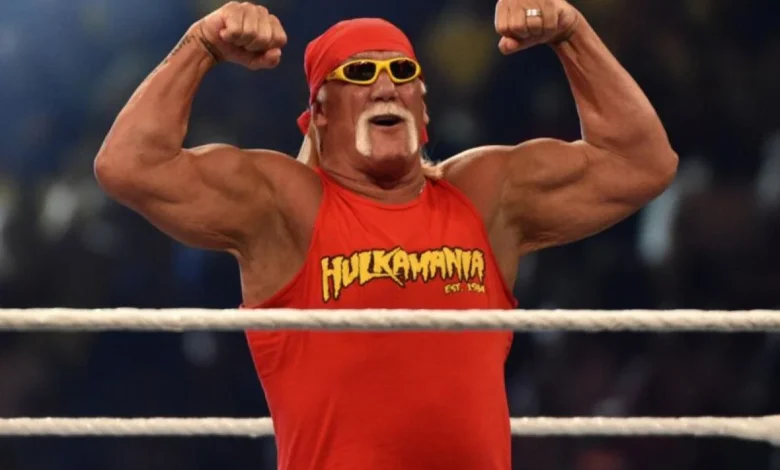
The confirmation of Hogan’s death came officially from World Wrestling Entertainment (WWE), the organization he helped propel into a global phenomenon. In a statement released across their social media platforms, including X (formerly Twitter), WWE expressed profound sorrow: "WWE mourns the passing of Hulk Hogan, a two-time WWE Hall of Famer and one of the most recognizable figures in pop culture. Hogan was instrumental in helping WWE achieve global recognition in the 1980s. WWE extends its deepest condolences to Hogan’s family, friends, and fans." His distinctive appearance, characterized by a thick blonde mustache, bandana, and signature yellow and red attire, had become an indelible image in the public consciousness, transcending the wrestling ring to embed itself firmly in popular culture.
A Life Defined by Power and Charisma: From Terry Bollea to Hulk Hogan
Born Terry Gene Bollea on August 11, 1953, in Augusta, Georgia, Hulk Hogan’s journey to becoming a wrestling legend was anything but conventional. Before he donned the famous yellow and red, Bollea explored a different path, initially pursuing a career in music. He was a talented bassist, and his expressive and confident personality, which would later define his wrestling persona, was already evident as he formed a band and performed on various local stages. This early foray into performance undoubtedly honed his ability to connect with an audience, a skill that would prove invaluable in his future career.
Hogan’s foray into the world of professional wrestling began in 1976, a pivotal year that would alter the course of his life forever. He was discovered and offered an opportunity to learn the ropes by Hiro Matsuda, a formidable and respected trainer from Championship Wrestling from Florida (CWF). Matsuda was known for his rigorous and often brutal training methods, designed to weed out the weak and forge true competitors. Under Matsuda’s demanding tutelage, Bollea’s natural athleticism and larger-than-life physique began to take shape. It was during this period that his interest in professional wrestling solidified and began to flourish.
He embarked on his professional wrestling career under various monikers, including Sterling Golden, wrestling for CWF and the Continental Wrestling Association (CWA). His impressive in-ring performances and burgeoning charisma quickly caught the attention of regional fans. The turning point arrived in 1979 when Vince McMahon Sr., the patriarch of the then-World Wide Wrestling Federation (WWWF), recognized the immense potential in Bollea. McMahon Sr. recruited him, seeing in the young wrestler not just a powerful athlete, but a marketable star in the making.
It was during this period with the WWWF that the iconic "Hulk Hogan" persona was born. The name was inspired by the Marvel Comics character, the Incredible Hulk, a fitting reference to Bollea’s imposing size, muscular physique, and powerful presence. From that moment, Hulk Hogan rapidly ascended, transforming into a global icon and the undisputed face of the promotion, which would soon be rebranded as the World Wrestling Federation (WWF) and later WWE.
The Birth of Hulkamania: A Global Phenomenon
The 1980s marked the dawn of "Hulkamania," a cultural phenomenon that transcended the boundaries of professional wrestling. Under the visionary leadership of Vince McMahon Jr., who took over the WWF from his father, the company embarked on an ambitious national expansion. Hulk Hogan was strategically positioned as the centerpiece of this grand plan. His unparalleled charisma, larger-than-life persona, and unwavering commitment to his fans made him an instant sensation. Hogan’s signature catchphrases, such as "Whatcha gonna do, brother, when Hulkamania runs wild on you?" and his encouragement to "Say your prayers, take your vitamins," resonated deeply with audiences, particularly children, positioning him as a superhero figure.
Hogan’s reign as the top babyface (hero) of the WWF was characterized by a string of high-profile main event matches that captivated millions. Perhaps none was more iconic than his clash with André the Giant at WrestleMania III in 1987. Held in front of a record-breaking crowd of over 93,000 fans at the Pontiac Silverdome, Hogan’s body slam of the 500-pound André is widely regarded as one of the most indelible moments in professional wrestling history. This event, along with others featuring Hogan, played a crucial role in establishing WrestleMania as the premier event in sports entertainment and significantly boosted the WWF’s mainstream appeal.
Hulk Hogan’s influence extended far beyond the wrestling ring. He became a true crossover star, appearing on numerous talk shows, starring in his own animated series "Hulk Hogan’s Rock ‘n’ Wrestling," and even gracing the cover of major magazines. His image became synonymous with the burgeoning era of sports entertainment, attracting millions of new fans to professional wrestling and solidifying its place in popular culture. He truly helped usher in the "Golden Age" of professional wrestling, making it a household name across America and then globally.
From Hero to Hollywood Hogan: Evolution and Reinvention
As the 1990s progressed, Hogan’s run as the quintessential American hero in the WWF began to wane, and the wrestling landscape shifted dramatically. In 1994, he made a groundbreaking move, departing the WWF for its rival promotion, World Championship Wrestling (WCW). This move was a seismic event in the industry, igniting what would become known as the "Monday Night Wars," a fierce ratings battle between WWF’s Monday Night Raw and WCW’s Monday Nitro.
It was in WCW that Hogan underwent one of the most shocking and impactful character transformations in wrestling history. In 1996, at the Bash at the Beach pay-per-view, Hogan famously turned heel (villain), aligning himself with Scott Hall and Kevin Nash to form the New World Order (nWo). This radical shift from the beloved red-and-yellow hero to the arrogant, black-and-white clad "Hollywood Hogan" rejuvenated his career and captivated audiences, ushering in a new era of anti-heroism in wrestling. The nWo became one of the most dominant and influential factions in wrestling history, driving WCW to unprecedented ratings success for a period.
Following his impactful run in WCW, Hogan made intermittent returns to WWE, each time met with significant fanfare. He was inducted into the WWE Hall of Fame twice, first in 2005 for his individual contributions, and later in 2020 as part of the nWo, a testament to his multifaceted legacy and enduring impact on the industry. While his later career saw various public controversies, including a highly publicized lawsuit against Gawker Media and temporary suspension from WWE due to racially insensitive comments (for which he later apologized), his profound influence on professional wrestling remained undeniable.
A Legacy Forged in Gold: Championships and Accolades
Hulk Hogan’s career was adorned with numerous championships and accolades, solidifying his status as one of the most decorated performers in wrestling history. His impressive list of achievements includes:
- Six-time WCW World Heavyweight Champion: A testament to his dominance during his tenure with WCW, particularly during the nWo era where he often held the title.
- Six-time WWE Champion: These reigns, primarily during the "Hulkamania" era, cemented his status as the face of the WWF and its top champion for much of the 1980s and early 1990s.
- Two-time Royal Rumble Winner: Hogan notably won the prestigious Royal Rumble match in consecutive years (1990 and 1991), a feat that underscored his enduring popularity and main event status.
- Two-time WWE Hall of Famer: His dual inductions into the WWE Hall of Fame highlight his individual contributions as "Hulk Hogan" and his pivotal role in one of wrestling’s most iconic factions, the nWo.
These achievements not only represent personal triumphs for Bollea but also underscore his critical role in shaping the narrative and competitive landscape of professional wrestling across two different eras and major promotions.
Beyond the Ring: A Crossover Star and Pop Culture Icon
Hulk Hogan’s appeal extended far beyond the squared circle, making him a bona fide Hollywood star and a pervasive figure in pop culture. His larger-than-life personality and recognizable look made him a natural fit for the big screen and television. His filmography includes several memorable roles:
- Rocky III (1982): Hogan made his major film debut as Thunderlips, a monstrous professional wrestler who faces off against Sylvester Stallone’s Rocky Balboa in a charity exhibition match. This role introduced him to a global audience outside of wrestling and perfectly showcased his intimidating yet charismatic presence.
- No Holds Barred (1989): This film was specifically developed as a vehicle for Hogan, starring him as Rip Thomas, a wrestling champion who battles an evil promoter. It was a significant effort by WWE (then WWF) to expand into filmmaking.
- Suburban Commando (1991): Hogan starred as an alien warrior stranded on Earth, attempting to adapt to suburban life.
- Mr. Nanny (1993): He played a former professional wrestler who becomes a bodyguard and nanny for two mischievous children.
- Thunder in Paradise (1994): This television series saw Hogan starring as a former Navy SEAL who uses a high-tech boat to fight crime.
- Gnomeo & Juliet (2011): Hogan lent his distinctive voice to the animated film, further demonstrating his versatility and enduring recognition.
His consistent presence in film and television cemented his status as a cultural icon, reaching audiences who might not have been traditional wrestling fans. The enduring fascination with his life and career is further evidenced by the planned biopic, with actor Chris Hemsworth reportedly slated to portray Hogan on Netflix, showcasing the lasting impact and narrative appeal of his incredible journey.
Tributes and Lasting Impact
The passing of Hulk Hogan at 71 years old leaves an undeniable void in the world of sports entertainment and for countless fans worldwide. The official confirmation from WWE was just the beginning, as a wave of tributes from wrestling legends, current superstars, industry executives, and legions of fans is anticipated across social media and various platforms. Figures who shared the ring with him, those he inspired, and the millions who cheered for him are expected to share their memories and condolences, reflecting on his profound influence.
Hogan’s legacy is multifaceted and monumental. He didn’t just participate in professional wrestling; he fundamentally transformed it. He was a pioneer in transitioning the industry from a regional spectacle to a global entertainment juggernaut, a vision meticulously executed by Vince McMahon Jr. but undeniably spearheaded by Hogan’s magnetic persona. He showed that professional wrestling could transcend its niche audience and become a mainstream cultural force, capable of filling arenas and captivating television audiences worldwide.
His catchphrases, his signature poses, his yellow and red attire, and his unparalleled ability to connect with an audience will forever be etched in the annals of pop culture. The "Hulkamania" era laid the groundwork for the modern sports entertainment landscape, influencing generations of wrestlers and entertainers. Hulk Hogan’s journey from a humble musician to a wrestling megastar and cultural phenomenon is a testament to his unique blend of athleticism, charisma, and showmanship. His passing marks the end of an extraordinary life, but the legacy and influence of Hulk Hogan will undoubtedly continue to live on in the hearts of wrestling fans and pop culture enthusiasts forever, reminding us all to "say our prayers and take our vitamins," brother.
Related posts: