WhatsApp Business Platform Set to Implement Major Pricing Changes for Service and Utility Messages Starting October 1 2026

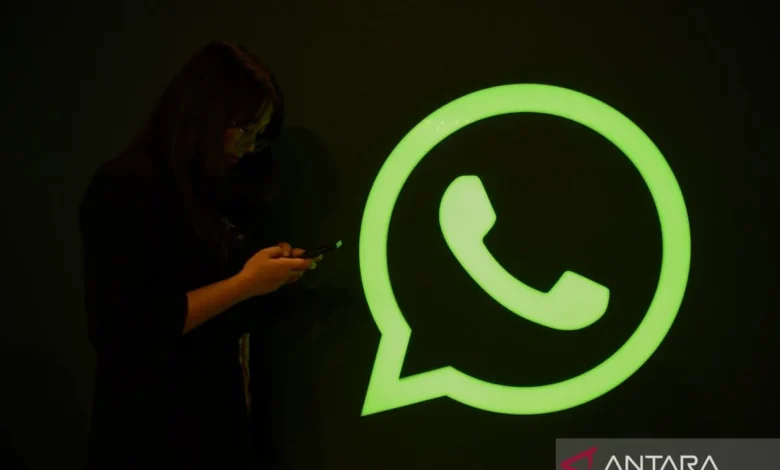
The landscape of digital customer service and enterprise communication is bracing for a significant shift as Meta prepares to overhaul its pricing structure for the WhatsApp Business Platform. Effective October 1, 2026, businesses utilizing the advanced platform—primarily via the WhatsApp Business API and Cloud API—will encounter a revised tariff model governing service messages and utility notifications within the standard 24-hour customer service window. While the standard, consumer-facing application frequently utilized by micro, small, and medium enterprises (MSMEs) on standalone mobile devices remains insulated from these direct platform alterations, corporate users scaling their customer relationship management through official software integrations must strategically adapt to avoid unexpected operational expenditures.
Core Architectural Changes in Meta’s Business Messaging Framework
The upcoming adjustments are designed to refine how businesses interact with their clientele within active conversation threads. Historically, the 24-hour customer service window—defined as the period immediately following an incoming message from a user—offered enterprises uninhibited flexibility to reply with freeform, non-template responses and standard operational updates. Under the forthcoming policy framework, this operational paradigm will experience targeted monetization.
Industry analysts tracking platform governance note that these structural adjustments reflect Meta’s broader monetization strategy for its enterprise ecosystem. As conversational commerce transitions from a novelty to the backbone of modern retail and support infrastructure, platform providers are increasingly aligning service costs with the high-value commercial utility derived by corporate entities. For businesses operating in Indonesia and similar regional markets, where WhatsApp serves as the undisputed dominant channel for consumer engagement, these structural updates necessitate a rigorous financial audit of customer support workflows.
Detailed Breakdown of the Five Key Pricing Modifications
To navigate the transition smoothly, corporate stakeholders must dissect the five foundational pillars underpinning the October 2026 rate adjustments:
1. Transition of Service Messages into a Billed Category
Previously, any non-template response dispatched by a business within the 24-hour window following a customer inquiry was exempt from platform messaging fees. Beginning October 1, 2026, these service messages will face direct charges. For recipients associated with Indonesian country codes, the established rate card outlines a fee of Rp356,65 per message once the monthly complimentary threshold is exhausted. This modification directly impacts customer support teams that rely heavily on conversational, ad-hoc troubleshooting rather than pre-approved message templates.
2. Establishment of a 1,000-Message Monthly Complimentary Quota
Mitigating the immediate financial shock for smaller enterprise accounts, Meta has instituted a monthly allowance of 1,000 free service messages per registered business phone number. This threshold resets at the beginning of each calendar month, and unused allocations do not roll over. Consequently, enterprises with lower interaction volumes—such as boutique agencies, localized service providers, and niche e-commerce merchants—can continue utilizing conversational service channels without incurring additional platform overhead, provided they remain within the designated quota.
3. Immediate Billing for Utility Messages Within the 24-Hour Window
Utility messages—encompassing transactional notifications such as order confirmations, shipping updates, billing statements, and account alerts—have historically enjoyed fee-free status if dispatched while the 24-hour customer service window was actively open. Under the revised schedule, utility messages sent within this 24-hour period will be billed from the very first interaction. For Indonesian phone number recipients, the applicable rate is standardized at Rp356,65 per message. Utility messages sent outside the 24-hour window already incurred standard costs under previous frameworks, meaning this update primarily closes the exemption loophole for active conversational windows.
4. Preservation of Exemptions for Customer-Initiated and Click-to-WhatsApp Threads
Despite the expansion of paid categories, vital communication channels remain free of charge. Most notably, messages initiated by the end-user continue to cost the business nothing to receive. Furthermore, conversations originating from Meta’s Click-to-WhatsApp advertisements—which open a 72-hour free messaging window—will retain their exempt status. This policy underscores Meta’s ongoing incentive structure designed to drive paid advertising revenue: brands that acquire customers via Facebook and Instagram ad placements are granted extended complimentary communication windows to nurture those leads.
5. Scope Limitation: WhatsApp Business Platform Versus Mobile App
A persistent point of confusion among growing enterprises involves the distinction between the consumer-accessible WhatsApp Business mobile application and the enterprise-grade WhatsApp Business Platform (API/Cloud API). The upcoming pricing shifts apply exclusively to the latter. Businesses managing communications manually through the standard mobile app interface on a single smartphone will not be subject to these per-message fees for service and utility interactions, preserving accessibility for grassroots enterprises while enterprise-scale operations absorb the platform-tier charges.
Contextual Chronology and Strategic Evolution of Conversational Commerce
The implementation timeline for the October 2026 pricing update follows a multi-year trajectory of feature expansion and monetization within Meta’s business ecosystem. Over the preceding years, WhatsApp has systematically rolled out advanced tools designed to transition from a simple messaging utility to an integrated commercial infrastructure.
In the wake of the post-pandemic digital acceleration, millions of merchants globally integrated instant messaging into their core sales funnels. In Indonesia specifically, government initiatives paired with private-sector training programs—such as digital literacy campaigns led by the Ministry of Trade and platform-specific educational summits—have successfully onboarded hundreds of thousands of traditional market traders and MSMEs into the digital economy.
Concurrently, Meta has introduced sophisticated features to handle high-volume interactions, including the integration of artificial intelligence (AI) agents capable of managing round-the-clock customer service inquiries. These technological advancements have drastically reduced response times and operational friction for brands. However, they have also exponentially increased the volume of automated service and utility traffic traversing the platform infrastructure. Industry observers point to this massive surge in automated enterprise messaging as the primary driver behind Meta’s decision to re-evaluate and monetize high-frequency service and utility interactions.
Economic Implications and Operational Analysis for Businesses
The introduction of platform fees for service and utility messages within the 24-hour window carries profound operational and financial implications for medium to large enterprises. Organizations must move away from unstructured, open-ended conversational support models that treat messaging bandwidth as an infinite, cost-free resource.
Budgetary Adjustments and Cost Projections
For high-volume customer service operations handling tens of thousands of inquiries monthly, a tariff of Rp356,65 per message can rapidly accumulate into a substantial line item within corporate technology budgets. Companies will need to perform precise forecasting to model how seasonal spikes in customer inquiries—such as holiday shopping periods or promotional campaigns—will impact their monthly messaging expenditures.
Workflow Optimization and Automation Strategy
To mitigate these rising costs, enterprises are expected to accelerate the implementation of intelligent automation and hybrid support models. Rather than relying on human agents to manually converse with customers throughout an unconstrained 24-hour window, businesses will likely deploy advanced conversational AI and automated triage systems. These systems can resolve routine inquiries efficiently or guide users toward pre-approved, cost-effective template messages before incurring cumulative service message charges.
Furthermore, communication strategies will require meticulous segmentation. Customer relationship management (CRM) teams must differentiate incoming traffic meticulously, categorizing interactions into marketing, utility, authentication, and service buckets to ensure compliance and cost optimization. Marketing teams will increasingly lean into Click-to-WhatsApp ad campaigns to leverage the 72-hour free messaging window, offsetting potential increases in standard service interaction expenses by subsidizing acquisition costs through targeted advertising funnels.
Conclusion and Preparatory Actions
As the October 1, 2026 effective date approaches, the onus rests on enterprise technology officers, customer experience directors, and operational managers to audit their current WhatsApp Business Platform utilization. Organizations must evaluate their average monthly service message consumption against the 1,000-message complimentary threshold, review utility notification triggers within active service windows, and restructure their customer support workflows accordingly. By proactively adapting to these structural pricing changes, businesses can safeguard their operational margins while continuing to leverage WhatsApp as an indispensable conduit for modern customer engagement.
Related posts: