The integrity of Indonesia’s national social security distribution has once again taken center stage following a sweeping evaluation by the central government that uncovered millions of Keluarga Penerima Manfaat, or Beneficiary Families, linked to illicit online gambling ecosystems. The Ministry of Social Affairs, operating in close coordination with the Indonesian Financial Transaction Reports and Analysis Center, identified a staggering volume of welfare recipients whose demographic profiles or bank accounts intersected with suspicious digital wagering transactions. This massive data flag has immediately altered the landscape of social welfare administration, bringing forth urgent questions regarding digital security, identity theft, household financial management, and the fundamental right of vulnerable populations to state-backed economic cushions.
Despite the alarming scale of the initial findings, government officials have exercised caution, emphasizing that an algorithmic flag does not automatically equate to a proven legal violation. The intersection of modern digital vices with traditional welfare systems has exposed systemic vulnerabilities in how digital identities are managed across Indonesian households, prompting a robust, multi-layered verification protocol designed to protect innocent recipients while cracking down on the misuse of public funds.
The Anatomy of the Discovery: Unprecedented Data Cross-Referencing
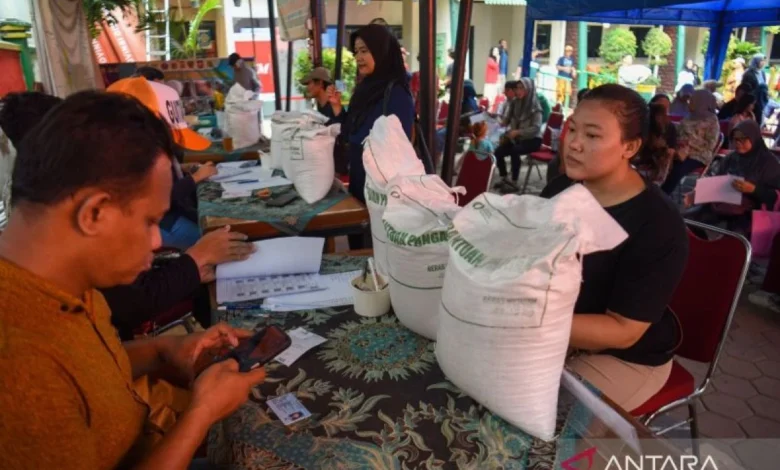
The crisis came to light during the comprehensive evaluation of social welfare distribution for the second quarter of 2026. The Ministry of Social Affairs, commonly known as Kemensos, alongside the nation’s financial intelligence agency, the PPATK, unveiled a vast data correlation that stunned policymakers. According to official ministry disclosures, a total of 1,494,652 recipients of the Non-Cash Food Assistance program, widely referred to as BPNT, were flagged for engaging in transactions associated with online gambling platforms, locally abbreviated as judol. Additionally, 794,475 recipients registered under the flagship Family Hope Program, or PKH, were captured in the same wave of suspicious indicators.
When combined, the initial data sweep cast a shadow of uncertainty over more than 2.2 million social welfare accounts nationwide. The discovery was facilitated by sophisticated financial tracking mechanisms deployed by the PPATK, which cross-referenced National Identity Numbers, known locally as NIK, and associated bank accounts with known digital hubs used by online gambling operators. The sudden revelation triggered immediate administrative freezes on the targeted accounts, halting the disbursement of crucial financial and nutritional support to households that rely heavily on these subsidies for daily survival.
However, the Ministry of Social Affairs quickly recognized the severe humanitarian implications of an immediate, blanket cutoff. Recognizing that financial algorithms lack context, Kemensos officials initiated a granular, ground-level investigation to separate actual perpetrators from victims of circumstance, identity misuse, or systemic administrative overlap.
Unraveling the Root Cause: Identity Theft and Household Vulnerability
As regional social offices began examining the suspended accounts, a complex picture emerged regarding why so many welfare recipients were flagged for online gambling. Initial findings from various municipal and regency departments revealed that a significant portion of flagged individuals had never touched a smartphone betting application or accessed a wagering website. Instead, investigators pointed to a troubling phenomenon: the unauthorized use of NIK data and bank credentials by third parties, often within the same extended household or neighborhood network.
In many instances, younger family members—such as children, grandchildren, or extended relatives sharing a household with elderly or illiterate welfare recipients—had utilized the demographic data or bank cards linked to the family’s social assistance to fund digital gambling activities without the primary beneficiary’s knowledge or consent. In other cases, unscrupulous local actors or digital scams had compromised personal identification data, routing illicit transactions through dormant or poorly secured welfare accounts.
Local implementations highlighted this reality vividly. In Tangerang Regency, for instance, out of 259 beneficiary families whose assistance was initially suspended due to online gambling indicators, local authorities reported that 195 families immediately stepped forward to file formal clarifications to restore their membership status. Local social service officials noted that the majority of these challenged cases stemmed from instances where the beneficiary’s NIK was exploited by younger family members or acquaintances. Similar trends were documented by social agencies in Bantul, Yogyakarta, where local administration noted distinct behavioral patterns among the flagged population.
The Structured Response: Safeguarding the Innocent via the Sanggah Mechanism
To address potential injustices arising from automated financial tracking, the Indonesian government established a clear, accessible protocol known as the public objection or clarification mechanism, frequently referred to as the "sanggah" process. State policy dictates that welfare assistance is not terminated permanently upon the initial detection of a suspicious transaction; rather, the funds are temporarily suspended while the data undergoes rigorous secondary verification.
For beneficiaries who maintain their innocence and insist they have never engaged in digital gambling, the path to reinstatement runs through local administrative infrastructure. Citizens who discover their aid has been withheld can initiate the clarification process by contacting local welfare operators and village or sub-district officials linked to the National Social and Economic Single Data system, or DTSEN. Furthermore, regional coordination relies heavily on the Next Generation Social Welfare Information System, commonly known as SIKS-NG, which serves as the digital bridge between local grassroots observations and central government databases.
Through this channel, citizens can formally declare that they have no involvement in online gambling and request a localized factual audit. Field verifiers are subsequently dispatched to investigate the living conditions and digital behaviors of vulnerable groups, such as elderly citizens and impoverished residents whose assistance was caught in the crossfire. If field investigations confirm that the recipient genuinely meets all poverty criteria and did not personally participate in prohibited activities, the state mandates the full restoration and retrofitting of their social assistance disbursements.
Addressing Accountability: The Dual-Track Strategy for Offenders
While the primary focus remains on protecting innocent citizens from wrongful administrative penalties, the government has maintained a firm stance against individuals who knowingly misuse public welfare funds for digital wagering. State authorities recognized early on that a one-size-fits-all approach would fail to address the underlying societal blight of online gambling addiction, which has wreaked havoc on lower-income families across the archipelago.
Consequently, municipal social agencies, such as the Dinsos in Bantul, implemented a dual-track framework for managing flagged cases. Under this administrative architecture, recipients who successfully prove their innocence through the objection mechanism are cleared and restored, while those who acknowledge their direct involvement in online gambling are subjected to a corrective rehabilitation pathway.
For admitted offenders, the government introduced specialized administrative tools, including a dedicated feature within the SIKS-NG platform labeled "Berhenti Judol," translating to "Stop Gambling." This feature is designed to facilitate behavioral intervention and formal warnings. According to overarching directives from the Ministry of Social Affairs, escalating penalties apply to repeat offenders. These measures range from temporary benefit suspensions to permanent blacklisting and removal from the social welfare registry, ensuring that state resources are preserved exclusively for individuals who utilize financial aid for essential nutritional, educational, and healthcare needs.
Navigating the System: Transparency and Public Empowerment
In an effort to curb misinformation and reduce panic among low-income communities, the Ministry of Social Affairs has actively promoted transparency, urging the public to utilize official digital portals to monitor their assistance status. Citizens can independently verify whether their demographic data remains active within the national registry by accessing the official Cek Bansos web portal provided by the ministry. This platform allows individuals to cross-reference their NIK and regional data against the master welfare database.
Government communication campaigns emphasize that a temporary suspension should not cause immediate despair. Because the national welfare database undergoes continuous cleansing, updating, and cross-verification, individuals whose identities have been compromised are advised to leverage formal state channels rather than relying on unverified third-party brokers or intermediaries.
The ongoing sweep represents a significant milestone in Indonesia’s digital governance. By marrying advanced financial intelligence from the PPATK with grassroots social verification through village operators and the DTSEN framework, the state aims to achieve a delicate balance: aggressively dismantling the financial pipelines that feed illegal online gambling while safeguarding the social safety net of millions of impoverished citizens who depend on state assistance to navigate economic hardships. As verification efforts continue to unfold across various provinces, the efficacy of these local appeal mechanisms will serve as a crucial test for the resilience and responsiveness of Indonesia’s modern social protection architecture.