IPB University Imposes Sanctions on Sixteen Students Involved in Sexual Harassment Following Viral Digital Evidence

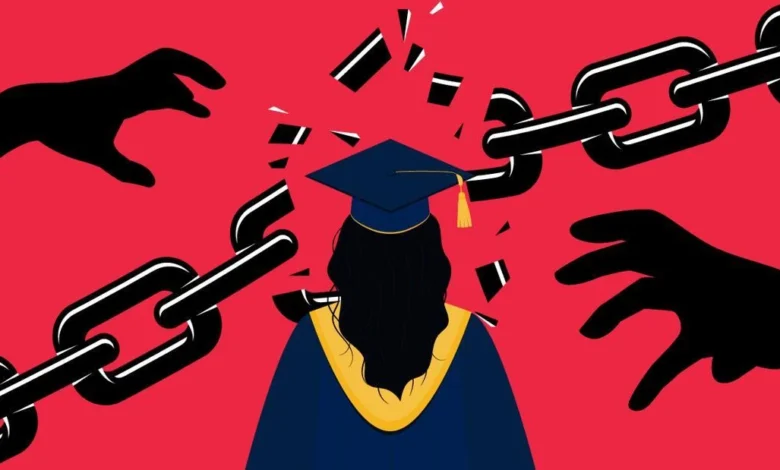
IPB University has officially sanctioned sixteen students from the Faculty of Engineering and Technology (FTT) following a comprehensive investigation into allegations of sexual harassment that surfaced through digital evidence. The disciplinary action was prompted by the circulation of screenshots from a private messaging group on the social media platform X (formerly Twitter), which revealed a series of conversations containing sexually explicit and derogatory language directed at female students. The university’s administration has characterized the incident as a grave violation of the institution’s code of conduct, emphasizing that such behavior fundamentally contradicts the values of dignity, respect, and safety that the academic community strives to uphold.
The case, which gained significant public attention over the weekend, underscores the ongoing challenges faced by higher education institutions in Indonesia regarding the regulation of digital behavior and the enforcement of safe campus environments. Rector of IPB University, Dr. Alim Setiawan Slamet, issued a stern directive stating that the institution would not normalize or tolerate any form of violence or harassment, regardless of the medium through which it occurs. The university has committed to a transparent and accountable resolution process, involving student representatives to ensure that the proceedings are perceived as fair and inclusive by the broader student body.
The Genesis of the Case: From Digital Chats to Institutional Action
The controversy began when several screenshots of a group chat, allegedly composed of FTT students, were leaked and went viral on social media. The messages contained highly offensive remarks, objectifying female peers and using dehumanizing language to describe women’s bodies. The public outcry was immediate, with many users calling for the university to take decisive action against the individuals involved. While the digital interactions took place in 2024, the matter was only formally brought to the attention of the university administration on April 14, 2026, after the evidence began circulating widely online.
The nature of the harassment, described by officials as "verbal and psychological in nature," highlighted a toxic subculture within specific student circles. The use of digital platforms to facilitate harassment has become a focal point for the university’s disciplinary committee, as it blurs the lines between private conduct and campus life. By taking action, IPB University aims to send a clear message that digital footprints carry real-world consequences and that the university’s jurisdiction extends to any conduct that harms the welfare and reputation of its members.
A Detailed Chronology: From Reporting to Sanctioning
The timeline of the investigation reveals a rapid response from the university once the formal report was filed. According to Prof. Slamet Budijanto, the Dean of the Faculty of Engineering and Technology, the institution adhered to a strict investigative protocol to ensure due process for both the victims and the accused.
On April 14, 2026, the case was officially reported to the faculty. Recognizing the severity of the allegations, the FTT leadership immediately coordinated with the Office of Campus Security, Safety, and Protection Management (KMKKPK). By the following day, April 15, 2026, the investigation team conducted a formal hearing with the complainant to gather a detailed account of the events and the impact of the harassment.
On April 16, 2026, the university summoned the sixteen identified students and other related parties for a series of intensive interviews. This phase focused on verifying the authenticity of the digital evidence and understanding the extent of each individual’s involvement in the group chat. The investigation concluded that the behavior constituted a clear violation of the university’s regulations regarding student conduct and ethics.
On April 17, 2026, the Faculty of Engineering and Technology officially issued sanctions against the sixteen students. Each individual received a one-semester suspension (skorsing). This penalty was designed not only as a punishment for the specific infraction but also as a pedagogical tool to instill a sense of ethical responsibility and to serve as a deterrent for others.
Institutional Stance: A Zero-Tolerance Policy Against Harassment
Rector Dr. Alim Setiawan Slamet has been vocal about the university’s stance, framing the sanctions as part of a broader commitment to systemic reform. "We stand with the victims—protecting, restoring, and ensuring their rights are met without compromise," the Rector stated in an official release on Monday, April 20, 2026. He emphasized that a university must serve as a sanctuary for intellectual and personal growth, which is impossible if students feel unsafe or marginalized.
The involvement of student organizations in the handling of the case was a deliberate move to maintain institutional trust. By coordinating with student representatives, the administration sought to ensure that the investigation was not conducted in a vacuum but was informed by the concerns and perspectives of the student body. This participatory approach is intended to foster a culture of collective responsibility, where students feel empowered to report misconduct and trust that the administration will act justly.
Victim Advocacy and Comprehensive Recovery Protocols
Beyond the disciplinary measures taken against the perpetrators, IPB University has prioritized the recovery and well-being of the victims. Dr. Alfian Helmi, the Director of Cooperation, Communication, and Marketing, outlined a multi-faceted support system designed to assist those affected by the harassment.
The recovery protocol includes:
- Academic and Social Restoration: Ensuring that the victims’ academic progress is not hindered by the incident and that their social standing within the faculty is protected.
- Psychological Support: Providing access to professional counseling and ongoing mental health resources to address the trauma associated with harassment and the stress of a public investigation.
- Protection from Intimidation: Implementing measures to shield victims and whistleblowers from potential retaliation, bullying, or social stigma following the announcement of the sanctions.
- Strengthening Safe Spaces: Enhancing physical and digital reporting mechanisms to ensure that any future incidents can be addressed before they escalate.
Dr. Helmi noted that the university views every case as a momentum for improvement. The focus is not merely on closing the case but on building a more resilient and empathetic campus culture.
The Role of Permendikbudristek No. 30 Year 2021 in Campus Safety
The actions taken by IPB University are situated within the broader legal framework of Indonesian higher education. The Ministry of Education, Culture, Research, and Technology’s Regulation (Permendikbudristek) No. 30 of 2021 regarding the Prevention and Handling of Sexual Violence in Higher Education Institutions has been a cornerstone for universities in addressing these issues.
This regulation provides a clear mandate for universities to establish Task Forces for the Prevention and Handling of Sexual Violence (Satgas PPKS). It defines various forms of sexual violence, including those committed through information and communication technology. IPB University’s swift response reflects the implementation of these national standards, which emphasize victim-centered approaches and the necessity of administrative sanctions for perpetrators. The case serves as a practical application of the regulation, demonstrating how institutional policy can be leveraged to address digital-based harassment.
Digital Ethics and the Responsibility of the Student Body
This incident has sparked a wider conversation about digital ethics and the permanence of online interactions. The fact that conversations from 2024 were used as evidence in 2026 serves as a stark reminder of the "digital footprint" and the ethical obligations that students carry even in seemingly private spaces.
Educational analysts suggest that universities must go beyond punitive measures and integrate digital literacy and ethics into their orientation programs. The goal is to move from a culture of "policing" to a culture of "integrity," where students understand that the anonymity or perceived privacy of the internet does not absolve them of their responsibilities as members of a civilized academic community.
Broader Implications for Higher Education Institutions in Indonesia
The IPB University case is being closely monitored by other academic institutions across the country. It highlights several critical issues:
- The Power of Social Media as a Watchdog: The viral nature of the chat group screenshots forced an institutional response that might have been delayed under traditional reporting structures. This underscores the role of social media in holding institutions accountable.
- The Adequacy of Sanctions: There is an ongoing debate among student activists and legal experts regarding whether a one-semester suspension is a sufficient deterrent for sexual harassment. Some argue for harsher penalties, including expulsion, while others emphasize the need for rehabilitative justice.
- The Latency of Reporting: The two-year gap between the incident and the formal report suggests that there may still be barriers to reporting, such as fear of social repercussions or a lack of awareness regarding reporting channels.
IPB’s commitment to transparency in this case is seen as a positive step toward breaking the "culture of silence" that has historically plagued many campuses. By acknowledging the incident publicly and detailing the sanctions, the university is attempting to rebuild its reputation as a leader in campus safety and ethical standards.
Strengthening the Task Force on the Prevention and Handling of Sexual Violence (PPKS)
Moving forward, IPB University plans to further empower its PPKS Task Force. This includes increasing the frequency of educational seminars on gender equality, consent, and healthy interpersonal relationships. The university also intends to refine its internal reporting system to be more user-friendly and to guarantee anonymity for those who fear the social costs of coming forward.
Dr. Alfian Helmi reiterated that the institution’s commitment is long-term. "We are not just reacting to a viral trend; we are strengthening a system," he said. The university aims to cultivate an environment where mutual respect is the norm and where every member of the academic community feels a moral obligation to protect the dignity of their peers.
Conclusion: Moving Toward a Dignified Academic Environment
The sanctioning of sixteen students at IPB University marks a significant moment in the institution’s history. It serves as a reminder that the values of an academic institution are defined not only by its research and teaching but also by its moral courage in the face of misconduct. As the sixteen students serve their suspensions, the university will continue its efforts to heal the community and reinforce the standards of behavior expected of its students.
The case of the FTT students is a cautionary tale for the digital age, highlighting the intersection of technology, ethics, and institutional responsibility. For IPB University, the path forward involves a continuous process of education, vigilance, and a steadfast refusal to compromise on the safety and dignity of its students. Through these actions, the university aspires to remain a space that is not only academically rigorous but also safe, inclusive, and profoundly human.