Exploring European and Transcontinental Destinations for Indonesian Travelers Without Schengen Visa Requirements in 2026

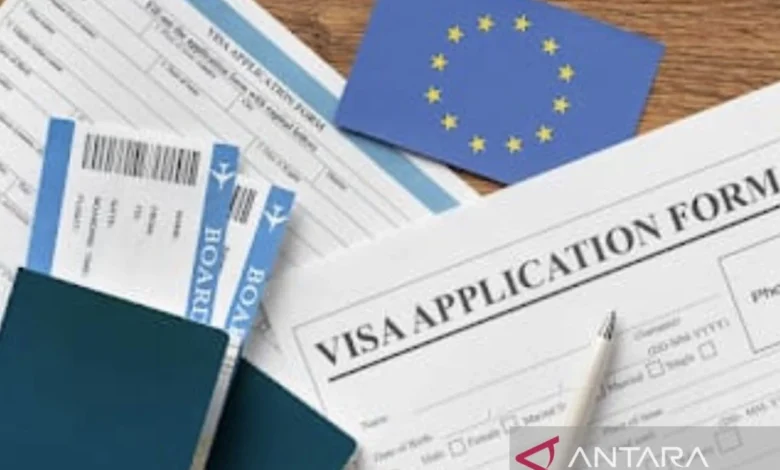
For many Indonesian citizens, the dream of traveling through Europe is often tempered by the rigorous, time-consuming, and sometimes unpredictable nature of the Schengen visa application process. The Schengen Area, which encompasses 29 European countries, maintains a unified visa policy that necessitates detailed financial proof, travel insurance, and strict documentation for citizens of countries without visa-waiver status. However, as international travel dynamics shift in 2026, a growing number of nations located within or on the periphery of the European continent have opened their doors to Indonesian passport holders, offering either full visa exemptions or streamlined electronic visa (e-visa) processes.
Understanding these travel alternatives is essential for Indonesian globetrotters, particularly as global mobility trends continue to evolve. While these destinations provide a significant reprieve from the complexities of a traditional Schengen application, travelers must navigate a nuanced landscape of varying entry requirements, ranging from straightforward visa-free access to mandatory digital permits.
The Strategic Shift in Travel Policies
The movement toward more accessible travel for Indonesian citizens is part of a broader global effort to boost tourism and foster international relations. Many countries, particularly in the Balkans and the Caucasus, have recognized the economic potential of the growing Indonesian middle class. By easing entry barriers, these nations are positioning themselves as competitive alternatives to Western Europe’s saturated tourism hubs.
Historically, Indonesian travelers have faced stringent visa restrictions due to varying bilateral agreements and migration concerns. However, the landscape has changed significantly since 2021, when countries like Turkey simplified their entry protocols, setting a precedent for other nations to follow suit. This shift reflects a move toward regional integration and a desire to attract a more diverse demographic of international visitors.
Top Tier: Fully Visa-Free Destinations for Indonesian Citizens
For those seeking the most seamless travel experience, four countries currently offer visa-free entry to Indonesian passport holders, allowing for a simplified arrival process that bypasses embassies and long-wait queues.
1. Serbia: The Balkan Gateway
Serbia remains one of the most accessible European nations for Indonesians. Under current bilateral arrangements, Indonesian citizens holding ordinary passports can enter Serbia without a visa for stays of up to 30 days within any one-year period. Belgrade, the nation’s capital, has emerged as a cultural hotspot, blending Ottoman, Austro-Hungarian, and modern influences. The city’s affordability and rich history make it an ideal starting point for those looking to explore the Balkan region without the administrative burden of a Schengen visa.
2. Turkey: The Transcontinental Bridge
Turkey continues to be the most popular choice for Indonesians due to its strategic location and historical ties. Since the implementation of the visa-free policy on December 24, 2021, Indonesian citizens have been granted up to 30 days of visa-free access for tourism and transit purposes. Given that Turkey straddles both Europe and Asia, it acts as a primary hub for travelers looking to experience European culture while retaining the flexibility of a transcontinental destination. Its infrastructure, which includes world-class international airports, makes it a logical transit point for those looking to explore further afield.
3. Belarus: Navigating Eastern European Requirements
Belarus offers visa-free access for Indonesian citizens, though this privilege comes with specific procedural caveats. While visitors can stay for up to 30 days, they must often adhere to specific entry and exit requirements, such as arriving via designated international airports. The political and logistical landscape of Belarus is dynamic; therefore, it is imperative for travelers to verify current border protocols through official government channels before finalizing travel arrangements.
4. Ukraine: Caution Amidst Open Borders
While Ukraine technically provides visa-free access for up to 30 days for Indonesian citizens, the current geopolitical climate necessitates a disclaimer. Despite the administrative ease of entry, the ongoing conflict within the country renders it a high-risk destination. Travel advisories from the Indonesian Ministry of Foreign Affairs (Kemlu) remain a critical resource, and prospective travelers are strongly advised to prioritize safety over visa convenience.
The Middle Tier: Streamlined Electronic and On-Arrival Visas
While not technically "visa-free," several countries in the Caucasus region have adopted digital-first visa policies, significantly reducing the friction traditionally associated with international travel.
Azerbaijan: Digital Access to the Caucasus
Azerbaijan has become increasingly popular for its ease of access. Indonesian travelers can secure a single-entry electronic visa (e-visa) or, in specific scenarios, obtain a visa upon arrival at international airports. The e-visa process is designed to be completed entirely online, with approvals often granted within a few business days. This makes the nation, which serves as a cultural intersection between the Middle East and Eastern Europe, a highly accessible destination for those avoiding the traditional embassy route.
Georgia: The E-Visa Framework
Contrary to popular belief, Georgia is not visa-free for Indonesian passport holders. However, it maintains a highly efficient e-visa portal. Prospective travelers must apply for a visa online prior to arrival, which covers tourism, business, and medical visits. While this adds a step to the planning process, the digital system is far more transparent and faster than traditional sticker-visa applications, making it a viable alternative for those looking to explore the Caucasus.
Armenia: A Tailored Approach
Armenia requires that Indonesian citizens obtain a visa, but the process is notably flexible. While visa-free agreements are largely restricted to diplomatic and service passport holders, the general public can utilize the e-visa system. Visitors can obtain a visa for up to 120 days, with options for extensions, depending on the nature of their visit. This flexibility allows for longer stays than those typically permitted in the Schengen area, catering to travelers looking for deep cultural immersion.
Comparative Analysis: Visa Status and Entry Requirements
To assist in travel planning, the following table summarizes the status for 2026:
| Country | Visa Status | Maximum Stay | Primary Entry Method |
|---|---|---|---|
| Serbia | Visa-Free | 30 Days | Passport on Arrival |
| Turkey | Visa-Free | 30 Days | Passport on Arrival |
| Belarus | Visa-Free | 30 Days | Passport (Specific Entry Points) |
| Ukraine | Visa-Free | 30 Days | Passport (Subject to Security) |
| Azerbaijan | E-Visa/On Arrival | 30 Days | Online Portal/Airport |
| Georgia | E-Visa | Varies | Online Portal |
| Armenia | E-Visa | 120 Days | Online Portal |
Official Perspectives and Implications for Travelers
The Directorate General of Immigration in Indonesia has consistently advised citizens to exercise caution and diligence when traveling abroad. Official responses from government bodies emphasize that visa-free status does not grant an absolute right of entry; border officials in the destination country retain the final authority to deny entry if they suspect the traveler’s intent does not align with the visa exemption criteria.
The broader implication of these policies is a shift in the "travel power" of the Indonesian passport. As more countries recognize the benefits of reciprocal travel, the demand for easier access will likely influence future diplomatic negotiations. However, experts warn that "ease of access" is often contingent on political stability. For instance, the tightening of visa regulations for other nationalities in regions like the Balkans or the EU suggests that Indonesia must continue to demonstrate strong compliance with international immigration standards to maintain its current levels of travel freedom.
Essential Pre-Departure Checklist
Regardless of the destination, Indonesian travelers should adhere to a standard set of preparations to ensure a smooth journey:
- Passport Validity: Ensure your passport has at least six months of validity beyond the intended date of departure. Many countries will deny boarding if this requirement is not met.
- Proof of Onward Travel: Always carry a copy of your return flight ticket or a flight itinerary showing your departure from the country.
- Financial Documentation: While not always checked, having proof of funds (bank statements) and evidence of accommodation (hotel bookings) can prevent unnecessary scrutiny by border control agents.
- Travel Insurance: Given the unpredictability of international travel, comprehensive medical and travel insurance is non-negotiable.
- Official Source Verification: Policies regarding visa-free entry can change with little notice. Always check the official website of the destination country’s embassy or the Indonesian Ministry of Foreign Affairs before booking non-refundable travel.
Conclusion
The landscape of travel for Indonesian citizens in 2026 is broader and more accessible than it has been in the past decade. By shifting focus away from the highly restrictive Schengen Area toward the emerging markets of the Balkans and the Caucasus, travelers can experience the richness of European history and culture without the daunting administrative hurdles of the traditional visa system.
While the convenience of visa-free travel to nations like Serbia and Turkey is a significant advancement, it remains vital for travelers to approach their journeys with thorough preparation and respect for the immigration laws of their host nations. By staying informed and utilizing the available digital visa tools, Indonesian travelers can continue to expand their global footprint, bridging the gap between East and West through curiosity, tourism, and responsible international engagement. As the world becomes more interconnected, the value of a passport that opens doors becomes increasingly apparent, and for the Indonesian traveler, 2026 offers a promising horizon of exploration.
Related posts: