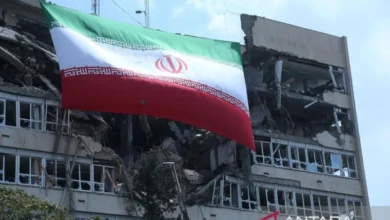
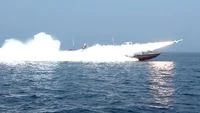
US Military Strikes Disrupt Iranian Logistics with Destruction of Strategic Bridges in Hormozgan Province

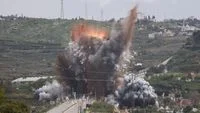
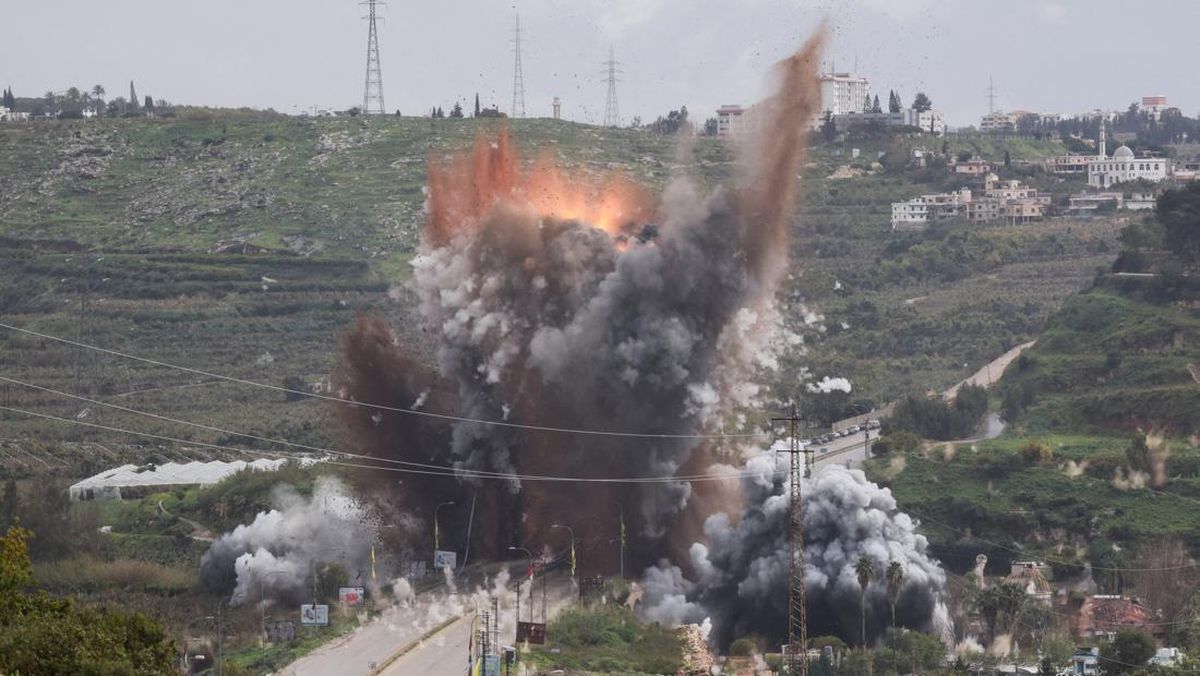
The United States military has significantly intensified its kinetic operations against Iranian infrastructure, launching a series of targeted airstrikes that have resulted in the destruction of at least six critical bridges in the southern province of Hormozgan. These operations, which occurred during a high-intensity aerial campaign on Thursday night, represent the most significant military escalation between Washington and Tehran since April. According to statements released by the United States Central Command (CENTCOM), the primary objective of these strikes is to sever military supply lines that the Pentagon believes are essential for the Islamic Revolutionary Guard Corps (IRGC) to conduct drone operations against commercial shipping in the strategically vital Strait of Hormuz.
The strikes targeted a network of transportation nodes surrounding the port city of Bandar Abbas, a region that serves as both Iran’s primary economic gateway and a major naval hub for the IRGC. By neutralizing these bridges, the U.S. military aims to degrade Iran’s ability to move sophisticated weaponry, including unmanned aerial vehicles (UAVs) and missile components, from inland manufacturing sites to launch points along the Persian Gulf coast. This move signals a definitive shift in U.S. strategy, moving from defensive maritime patrols to proactive degradation of terrestrial logistics.
Chronology of the Escalation and Operational Details
The destruction of the six bridges on Thursday was not an isolated event but rather the culmination of a five-day sustained bombing campaign. According to CENTCOM officials, the latest wave of strikes commenced at approximately 2:00 PM Eastern Time on Friday, marking the fifth consecutive night of operations. This surge in military activity follows a period of relative calm that began three months ago when both nations appeared to adhere to an informal ceasefire.
The geopolitical landscape shifted abruptly in June when a memorandum of understanding (MoU) was reached between Washington and Tehran, aimed at de-escalating tensions in the Middle East. However, President Donald Trump recently declared that the agreement is effectively "over," citing continued Iranian provocations and the proliferation of drone technology to regional proxies. The breakdown of this diplomatic framework has paved the way for the current military campaign, which local authorities in Hormozgan describe as the most destructive in recent memory.
According to provincial reports from Hormozgan, the strikes were concentrated in the Bandar Khamir district, located to the west of Bandar Abbas. The precision of the attacks suggests the use of advanced munitions designed to render infrastructure unusable while attempting to minimize broader collateral damage, although Iranian state-affiliated media has reported civilian casualties resulting from vehicles traversing the bridges at the time of the bombardment.
Strategic Significance of the Targeted Infrastructure
The selection of targets in the Bandar Khamir and Bandar Abbas regions highlights the Pentagon’s focus on Iran’s "maritime logistics corridor." Bandar Abbas is home to the Shahid Rajaee Port, which handles the vast majority of Iran’s container traffic, and the adjacent naval bases used by the IRGC Navy (IRGCN). The bridges destroyed in this campaign form the backbone of the terrestrial transit system that links these coastal assets to the Iranian heartland.
1. The Kahurestan Bridge
Located in the Kahurestan region, this bridge is a vital link on the highway connecting Bandar Abbas with the interior provinces of Hormozgan and Fars. As a primary corridor for both commercial and military traffic, its destruction creates a significant bottleneck. The Tasnim News Agency, a semi-official Iranian outlet, reported that at least one civilian vehicle plummeted from the structure following the strike, highlighting the immediate and chaotic impact of the operation on local movement.
2. The Geriveh Bridge
Situated on the Bandar Abbas-Bandar Khamir-Lar highway, the Geriveh Bridge serves as a major east-west artery. This route is essential for the movement of heavy machinery and logistics containers between the coastal refineries and the industrial centers of southern Iran. By disabling this crossing, the U.S. has effectively split the coastal defense sector, forcing military convoys to seek lengthy and potentially vulnerable detours.
3. The Latidan Bridge
The Latidan Bridge, located near the village of the same name, provides a secondary but critical redundancy for the coastal transport corridor west of Bandar Abbas. In military logistics, redundancy is key to maintaining operational tempo; by targeting both the primary and secondary routes (Geriveh and Latidan), the U.S. military has ensured a near-total paralysis of heavy transport in the sector.
4. The Fars Highway Bridges
The operation also targeted two smaller but tactically significant bridges on the road toward Lar in Fars Province. These structures facilitate the flow of personnel and light equipment from Iran’s interior military districts to the coast. Their destruction suggests a comprehensive effort to isolate the Hormozgan coastline from rapid reinforcement by ground forces stationed further inland.
5. The Bandar Khamir Bridge (Under Construction)
Notably, the U.S. also targeted a bridge that was still under construction on the Bandar Khamir-Keshar-Bandar Abbas route. While not yet operational for daily traffic, the decision to strike this site indicates a "future-proofing" strategy by the U.S. military. By destroying unfinished infrastructure, Washington is preventing Tehran from completing alternative routes that could bypass the currently disabled network.
6. The Marou Bridge
The Marou Bridge serves a more localized function, connecting rural communities in the Bandar Khamir district to the broader regional road network. While less strategically significant for large-scale military movements, its destruction hampers the IRGC’s ability to utilize decentralized, "lily-pad" style launch sites for small-unit operations and mobile drone launchers that often hide in civilian or rural areas to avoid detection.
The Role of the IRGC and Drone Warfare
The primary justification provided by Washington for these strikes is the ongoing threat posed by Iranian-made drones. In recent years, the Strait of Hormuz has become a flashpoint for "shadow warfare," where commercial tankers and international warships have been harassed or attacked by loitering munitions and one-way attack drones.
U.S. intelligence suggests that the IRGC has been using the rugged terrain of Hormozgan to conceal mobile drone command centers. These units rely on the very bridges targeted on Thursday to move launch platforms quickly in response to maritime traffic patterns. By destroying the bridges, the U.S. is effectively "trapping" these mobile units in specific sectors, making them easier to track and neutralize from the air.
Furthermore, the IRGC’s reliance on "asymmetric" naval warfare—using swarms of small boats and drones rather than a traditional blue-water navy—requires a highly flexible land-based supply chain. The disruption of the Hormozgan bridge network strikes at the heart of this operational philosophy, forcing the IRGC to rely on less efficient transport methods that are more susceptible to satellite surveillance.
Regional and Economic Implications
The economic impact of these strikes on Iran cannot be overstated. Bandar Abbas is the "economic lung" of the Islamic Republic. The disruption of the road networks leading to the port will likely lead to significant delays in the distribution of imported goods and the export of non-oil products. While the U.S. maintains that its targets are strictly military, the dual-use nature of most transportation infrastructure means that the Iranian civilian economy will bear a heavy burden.
Regionally, the escalation has put neighboring Gulf states on high alert. The Strait of Hormuz is the world’s most important oil transit chokepoint, with approximately one-fifth of the world’s total oil consumption passing through it daily. Any sustained conflict in the provinces bordering the Strait raises the specter of a global energy crisis.
The Iranian government has condemned the attacks as a violation of its sovereignty and a "cowardly act of aggression" against civilian infrastructure. While Tehran has vowed to retaliate, the destruction of its logistical nodes may limit its immediate options for a conventional ground or naval response. Instead, analysts expect Iran to double down on its proxy network or utilize its remaining missile stockpiles to project power.
Conclusion and Future Outlook
The destruction of the six bridges in Hormozgan marks a pivotal moment in the ongoing confrontation between the United States and Iran. By moving beyond maritime interceptions and targeting the terrestrial foundations of Iran’s military power, the U.S. has signaled a willingness to engage in a broader campaign of attrition.
As the fifth night of strikes concludes, the international community is watching closely for signs of a wider regional conflagration. The collapse of the June MoU and the aggressive posture of the Trump administration suggest that the "maximum pressure" campaign has entered a new, kinetic phase. For Iran, the challenge will be maintaining its internal stability and military readiness in the face of a crippled transportation network and a relentless aerial campaign. The coming days will determine whether this escalation leads to a full-scale conflict or a forced return to the negotiating table under the weight of destroyed steel and concrete.
Related posts: