Jakarta, Indonesia – State-owned defense and industrial company PT Pindad (Persero) has officially confirmed its withdrawal from the national electric motorcycle project, clarifying that its strategic focus remains squarely on the development and production of the national car (mobnas). The company reiterated that the electric motorcycle initiative will be spearheaded by a separate entity designated by the government.
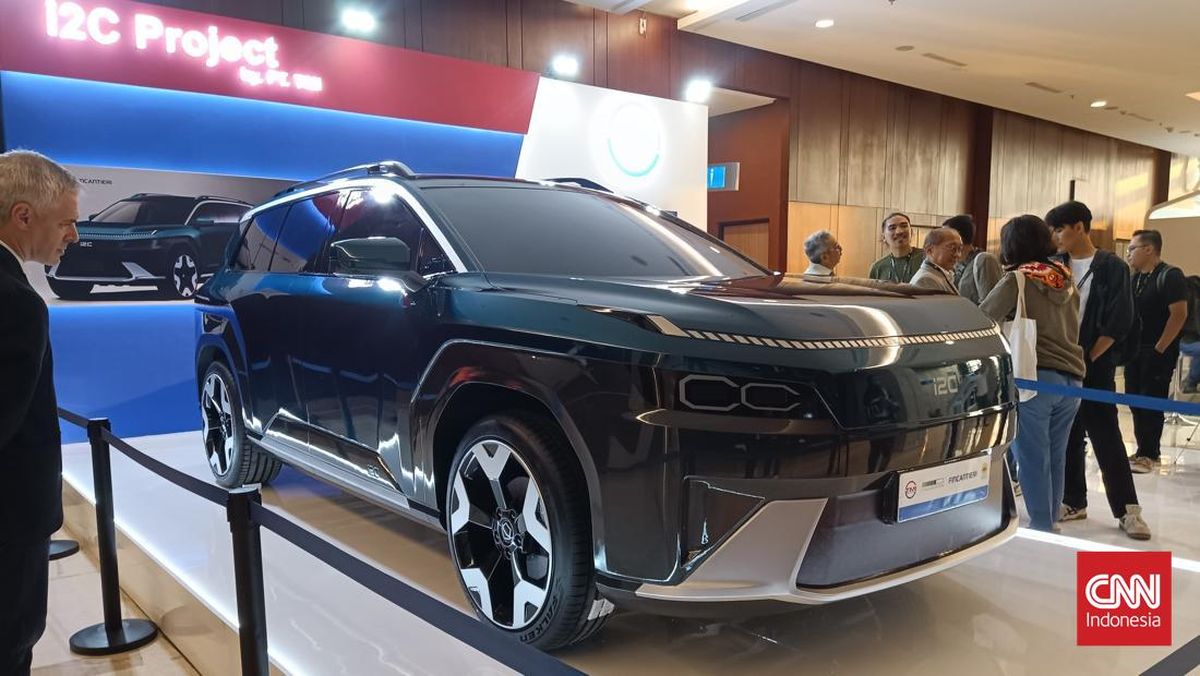
Sigit Puji Santoso, the President Director of PT Pindad (Persero) and concurrently the President Director of Danantara Development Management Fund, articulated the company’s redefined mandate during an interaction at the Presidential Palace complex on Thursday, July 23rd. He stated that Pindad has been assigned distinct responsibilities by the government, which prioritizes its contributions to the automotive sector through the national car program.
"Pindad’s focus is on the car. For electric motorcycles, there will be another assignment for someone else," Sigit explained, as reported by Antara. This declaration effectively puts to rest any speculation about Pindad’s direct involvement in the nascent electric two-wheeler industry, signaling a clear division of labor within Indonesia’s ambitious industrial development agenda.
Despite Pindad’s non-participation in the manufacturing of the national electric motorcycle, Sigit hinted at a significant impending launch. He revealed that President Prabowo Subianto is slated to unveil the national electric motorcycle in the near future. However, he maintained a professional discretion regarding specific details, indicating that such information would be directly communicated by the Head of State himself. This suggests a high-level government endorsement and strategic importance attached to the project.
A key characteristic of the forthcoming national electric motorcycle, as highlighted by Sigit, will be its distinct branding. The vehicle will not adopt any existing market brand names, but rather will be introduced under a new marque developed entirely by Indonesian engineers and talent. "No, there will be a new brand and its design will be by Indonesian engineers, designed by us. The design and production will be from us," he emphasized. This commitment underscores a nationalistic approach to industrial innovation, aiming to foster domestic intellectual property and manufacturing capabilities.
Sigit firmly reiterated that Pindad is not the designated producer of the national electric motorcycle. He anticipates that the government will officially announce the responsible company during the formal launch event. "No. Bapak (President Prabowo) will announce it later, on the 13th," Sigit stated, providing a tentative timeline for the official reveal. This anticipation of a specific date, the 13th, suggests that the project is in its final stages of preparation.
The groundwork for the national electric motorcycle was previously laid by President Prabowo Subianto himself, who had declared Indonesia’s imminent acquisition of a national electric motorcycle. This initiative was framed as a crucial step in strengthening the domestic automotive industry and concurrently promoting the adoption of environmentally friendly transportation solutions.
President Prabowo’s vision for the national electric motorcycle extends beyond mere industrial ambition; it aims to create a practical and accessible mode of transport for the broader populace. He expressed hope that the national electric motorcycle would be widely utilized by the public, including farmers, serving as a more efficient and affordable transportation option. This focus on accessibility and practicality suggests that the motorcycle is being designed to meet the needs of everyday Indonesians, potentially addressing logistical challenges in rural and urban areas alike.
Background and Context: Indonesia’s Industrial Ambitions
Indonesia has been actively pursuing an agenda of industrial self-sufficiency and technological advancement, particularly within the automotive sector. The development of a "national car" and now a "national electric motorcycle" are key pillars of this strategy. These initiatives are not only aimed at reducing reliance on imported vehicles and components but also at fostering local innovation, creating high-skilled jobs, and positioning Indonesia as a significant player in the global automotive market, especially in the rapidly evolving electric vehicle (EV) landscape.
The push for electric vehicles is globally driven by environmental concerns, the need to reduce carbon emissions, and the desire to secure energy independence. For Indonesia, a nation heavily reliant on fossil fuels and facing the impacts of climate change, the transition to EVs presents a significant opportunity. The government has set ambitious targets for EV adoption and local production, offering various incentives to manufacturers and consumers.
The initial involvement of Pindad, a company with a strong track record in engineering and manufacturing for defense, signaled a serious commitment to these national industrial projects. However, the strategic decision to delegate the electric motorcycle project to another entity indicates a broader, more integrated approach to industrial development, potentially leveraging specialized expertise from different state-owned enterprises or private partners.
Strategic Divestment and Specialization
Pindad’s core competencies lie in complex engineering and manufacturing, historically geared towards defense equipment, firearms, and more recently, armored vehicles. While they possess the technical acumen, the specific demands of mass-producing electric motorcycles, with their unique battery technology, charging infrastructure considerations, and consumer market dynamics, may fall outside their primary strategic focus.
By concentrating on the national car project, Pindad can dedicate its resources, research and development efforts, and manufacturing capacity to a program that aligns more closely with its established strengths and long-term objectives. This strategic specialization is a common practice in large-scale industrial development, allowing for greater efficiency and a higher probability of success.
The National Electric Motorcycle Project: A Glimpse into the Future
While Pindad will not be directly involved, the forthcoming national electric motorcycle project, slated for a presidential launch, signifies a critical step in Indonesia’s journey towards sustainable mobility. The emphasis on a "new brand" and "Indonesian engineers" suggests a desire to cultivate a unique national identity in the EV market, distinct from established international players.
The potential implications of this project are far-reaching:
- Economic Boost: The development and production of a national electric motorcycle could stimulate local economies by creating jobs in manufacturing, R&D, supply chains, and after-sales services.
- Environmental Impact: A successful rollout of affordable and accessible electric motorcycles can contribute significantly to reducing air pollution and carbon emissions in Indonesian cities, which are often plagued by traffic congestion and smog.
- Technological Advancement: The project is expected to drive innovation in battery technology, electric powertrains, and smart mobility solutions within Indonesia, potentially leading to spin-off technologies and new industries.
- Energy Transition: As Indonesia aims to reduce its dependence on fossil fuels, the widespread adoption of electric vehicles is a crucial component of its broader energy transition strategy.
Broader Implications for Indonesia’s Automotive Landscape
The decision to segment the national automotive initiatives between Pindad and other entities highlights a sophisticated approach to industrial policy. It acknowledges that different sectors require specialized expertise and market strategies. For the national car project, Pindad’s involvement suggests a focus on robust engineering and potentially a more utilitarian or resilient vehicle design, perhaps targeting commercial or public sector applications in its initial phases.
Conversely, the national electric motorcycle project, being handled by a different, as-yet-unnamed entity, may adopt a more consumer-centric approach, focusing on affordability, design appeal, and user experience to drive mass adoption. The president’s personal involvement and the anticipation of a specific launch date underscore the high priority placed on this initiative by the current administration.
The success of both the national car and national electric motorcycle projects will be critical indicators of Indonesia’s ability to execute its ambitious industrialization plans and to carve out a significant niche in the global automotive market of the future. The coming months, particularly around the announced launch date of the electric motorcycle, will be closely watched for further details and concrete steps towards realizing these national aspirations.