Understanding the Nuances of Shell Fuel: Shell Super vs. Shell V-Power for Optimal Vehicle Performance

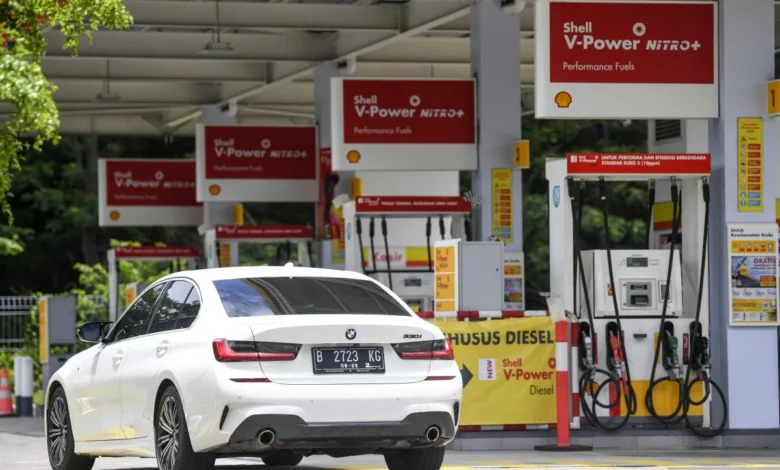
Jakarta, Indonesia – As the automotive landscape in Indonesia continues to evolve, so does the discerning consumer’s approach to vehicle maintenance and performance. A pivotal element in this equation is the judicious selection of fuel. Among the myriad options available at Shell service stations, two premium offerings consistently emerge as the top choices for Indonesian motorists: Shell Super and Shell V-Power. While both are engineered to enhance driving efficiency and comfort, they are distinguished by significant differences in their formulation, octane ratings, and the specific benefits they impart. Understanding these distinctions has become even more pertinent as Shell adjusts its fuel prices, with a notable price adjustment taking effect on December 1, 2025. This shift places Shell Super in the approximate price range of IDR 13,000 per liter, while Shell V-Power is priced around IDR 13,630 per liter. This price differential, coupled with their inherent characteristics, underscores the importance of a well-informed decision-making process for vehicle owners aiming to align their fuel choice with their engine’s requirements, driving habits, and daily efficiency goals.
The Technical Divide: Octane Rating and Additive Formulations
The fundamental divergence between Shell Super and Shell V-Power lies in their octane rating (RON). Shell Super boasts a RON of 92, a standard that caters to a wide spectrum of modern gasoline engines. In contrast, Shell V-Power elevates this to RON 95. The octane rating is a critical indicator of a fuel’s resistance to knocking or premature detonation – a phenomenon where the fuel-air mixture ignites spontaneously before the spark plug fires. A higher octane number signifies greater resistance to such uncontrolled combustion. This is particularly crucial for engines with higher compression ratios, as these engines inherently subject the fuel-air mixture to greater pressure and temperature before ignition. Vehicles equipped with advanced engine technologies, often found in performance-oriented or newer models, typically benefit from higher octane fuels that can withstand these demanding internal conditions, thereby preventing engine knock and ensuring optimal combustion.
Beyond the octane number, the additive formulations of Shell Super and Shell V-Power present a significant differentiator. Shell V-Power is imbued with Shell’s proprietary Dynaflex Technology. This advanced additive package is specifically designed for superior cleaning capabilities, targeting the persistent issue of carbon buildup. Carbon deposits can accumulate over time in critical engine components such as fuel injectors, intake valves, and the combustion chamber itself. This buildup can impede fuel atomization, disrupt airflow, and lead to a decline in engine efficiency and performance. The Dynaflex Technology in V-Power actively works to clean these components, restoring optimal function and preventing future deposits.
While Shell Super also incorporates additives aimed at maintaining engine cleanliness, its approach is less aggressive compared to V-Power. It provides a foundational level of protection against the wear and tear associated with everyday driving. However, for motorists seeking the utmost in engine protection and a more thorough cleaning action, Shell V-Power emerges as the demonstrably superior option. This enhanced cleaning action can contribute to a longer engine lifespan and sustained peak performance.
Performance and Efficiency: A Tale of Two Fuels
The differing characteristics of Shell Super and Shell V-Power translate directly into tangible impacts on vehicle performance and fuel efficiency. The more complete and efficient combustion facilitated by Shell V-Power’s higher octane rating and advanced additive package can lead to a noticeable improvement in acceleration response. Drivers may experience a more immediate and responsive feel when pressing the accelerator pedal. Furthermore, this cleaner combustion process contributes to greater engine efficiency over the long term, potentially leading to reduced fuel consumption and a smoother running engine.
Shell Super, while perfectly suitable for daily driving and providing reliable performance, does not offer the same pronounced performance enhancement as V-Power. Its design is primarily focused on delivering consistent efficiency and optimal mileage for routine commuting and general use. While it offers savings in terms of fuel consumption compared to lower-octane fuels, it may not provide the same level of responsiveness or power output that some drivers seek, particularly those who frequently encounter demanding driving conditions or operate high-performance vehicles.
The distinction in benefits can be summarized as follows: Shell Super is engineered for economical and efficient daily driving, aiming to maximize the distance covered per liter of fuel. Shell V-Power, on the other hand, prioritizes enhanced engine power and capability, unlocking the full performance potential of the engine. This means that while both are premium fuels, their core objectives cater to different driver priorities.
Knock Resistance and Long-Term Efficiency
The higher octane rating of Shell V-Power (RON 95) provides a significantly enhanced ability to resist knocking or detonation. This is a crucial safety feature for engines, as prolonged or severe knocking can lead to severe engine damage, including piston and cylinder head erosion. While Shell Super offers a degree of protection against knocking, it is not as robust as that provided by V-Power. For engines that are designed to operate at higher compression ratios, or for drivers who frequently push their vehicles to their limits, the superior knock resistance of V-Power offers a valuable layer of protection and peace of mind.
In terms of fuel efficiency, the argument for V-Power extends beyond immediate consumption. The cleaner and more complete combustion it promotes can lead to more efficient fuel utilization over the lifespan of the vehicle. By preventing the buildup of harmful deposits and ensuring that fuel is burned more effectively, V-Power can contribute to sustained fuel economy. Shell Super is also designed to be fuel-efficient, offering a good balance for everyday use. However, the long-term benefits of V-Power in maintaining engine cleanliness and optimizing combustion can translate into more significant efficiency gains for some drivers, particularly those who are diligent about maintenance and operate their vehicles in varied conditions.
The Price Factor and Strategic Fuel Selection
The price difference between Shell Super and Shell V-Power, which was highlighted by the December 1, 2025, price adjustment, plays a significant role in consumer decision-making. The approximate IDR 630 per liter difference positions Shell V-Power as a more premium offering, reflecting its advanced formulation, higher octane rating, and superior additive technology. This price differential is not arbitrary; it directly correlates with the enhanced performance and protection that V-Power provides.
Consequently, Shell V-Power is generally positioned for users who require or desire the extra performance and advanced protection for their engines. This might include owners of high-performance vehicles, those who frequently drive in demanding conditions (e.g., hilly terrains, heavy traffic with frequent acceleration and braking), or individuals who simply prioritize maximizing their engine’s longevity and optimal operation.
Shell Super, conversely, represents a more economical yet still high-quality option. It is an ideal choice for the majority of daily drivers whose vehicles operate within standard parameters and whose primary focus is on consistent, reliable, and reasonably efficient transportation. It offers a balance of performance and cost-effectiveness, making it an accessible premium fuel for a broader segment of the Indonesian automotive market.
informed Choice for Optimal Vehicle Health
Ultimately, the decision between Shell Super and Shell V-Power hinges on a careful assessment of individual vehicle needs and driving habits. Each fuel type possesses unique characteristics and advantages tailored to different requirements. By understanding the specific properties of each, drivers can make a more informed choice that aligns with their vehicle’s engineering, their driving style, and their personal priorities, whether that be daily economy or enhanced performance.
Selecting the appropriate fuel ensures that a vehicle operates at its peak potential, remains durable, and performs optimally under various driving conditions. The synergy between the vehicle’s engine, the chosen fuel, and the driving environment is paramount. When the cost of the fuel is congruent with the perceived and actual benefits it offers, the value derived by the owner is maximized. This proactive approach to fuel selection is not merely about filling the tank; it is an integral component of responsible vehicle ownership, contributing to the longevity, performance, and overall health of the automobile.
Broader Context and Industry Trends
The consistent popularity of premium fuels like Shell Super and V-Power in Indonesia reflects a broader trend in the automotive market. As vehicle technology advances, engines are becoming more sophisticated, often incorporating features like turbocharging and direct injection, which benefit from higher octane fuels. Furthermore, there is a growing awareness among Indonesian consumers about the importance of fuel quality for engine health and performance. This is partly driven by increased access to information, automotive publications, and the growing presence of international fuel brands that offer a wider range of specialized products.
The pricing adjustments by fuel companies like Shell are also a testament to the dynamic nature of the global energy market, influenced by crude oil prices, refining costs, and currency exchange rates. The consistent price gap between different fuel grades, as observed with Shell Super and V-Power, serves as a clear signal to consumers about the inherent value proposition of each product. This transparency allows consumers to make calculated decisions based on their budget and their vehicle’s requirements.
Moreover, the emphasis on additive technology, particularly in fuels like V-Power with its Dynaflex Technology, highlights a shift towards fuels that offer more than just combustion. They are increasingly viewed as a means of actively maintaining and protecting engine components, contributing to a longer service life and potentially reducing the need for costly repairs down the line. This proactive approach to vehicle maintenance, facilitated by advanced fuel formulations, is becoming a cornerstone of modern car ownership.
Future Outlook
As Indonesia continues its economic development and the automotive sector matures, the demand for specialized fuels that cater to diverse engine technologies and consumer preferences is likely to grow. Shell’s strategic positioning of its Super and V-Power brands, differentiated by octane and additive technology, addresses this evolving market need. The company’s commitment to innovation in fuel formulation underscores its understanding of the critical role fuel plays in the performance and longevity of modern vehicles.
For consumers, the key takeaway remains the importance of consulting their vehicle’s owner’s manual and understanding their own driving patterns. While Shell Super offers a robust and economical premium choice, Shell V-Power presents a compelling option for those seeking the ultimate in engine protection, performance enhancement, and long-term efficiency. The informed selection of fuel is not just a routine task; it is an investment in the continued optimal operation and well-being of one’s vehicle.
Related posts: