Indonesia Pioneers Renewable Energy with Bobibos: A Sustainable Biofuel from Agricultural Waste

Indonesia has once again demonstrated its commitment to innovative sustainable energy solutions with the unveiling of Bobibos, a groundbreaking eco-friendly alternative fuel. This pioneering biofuel, developed by PT Inti Sinergi Formula, represents a significant stride in the nation’s quest for energy independence and environmental stewardship, transforming agricultural waste into a high-performance, low-emission energy source.
The official introduction of Bobibos took place on Sunday, November 2nd, in Jonggol, Bogor Regency, West Java. This innovative fuel is meticulously engineered from agricultural byproducts, primarily rice straw (jerami), a material that has historically been burned post-harvest, contributing to air pollution. Bobibos, an acronym for "Bahan Bakar Original Buatan Indonesia Bos" (Original Fuel Made by Indonesian Bosses), falls under the category of Biofuel (Bahan Bakar Nabati – BBN). The development is credited to M. Ikhlas Thamrin and his dedicated research team.
The Science Behind Bobibos: From Straw to Superior Fuel
The transformation of humble rice straw into a high-grade biofuel is achieved through an advanced bioenergy process, augmented by a proprietary "special serum." This sophisticated methodology converts the fibrous straw into a high-performance fuel that boasts a Research Octane Number (RON) of 98, placing it on par with premium fossil fuels. Crucially, Bobibos is engineered for exceptional environmental benefits, with claims of reducing exhaust emissions to near-zero levels, presenting a stark contrast to the environmental impact of conventional fossil fuels.
The development of Bobibos is rooted in a long-standing national aspiration to reduce Indonesia’s heavy reliance on imported energy. For over a decade, Ikhlas Thamrin has been engaged in independent research, driven by the goal of identifying viable energy alternatives derived from abundant local resources. The choice of rice straw as the primary feedstock is strategic. Indonesia is a major rice-producing nation, ensuring a consistent and vast supply of this agricultural residue. Furthermore, the efficiency of straw collection and processing contributes to a potentially lower production cost. This cost-effectiveness is a key factor in the ambition to price Bobibos competitively against conventional fuels.
A Boon for Farmers and the Rural Economy
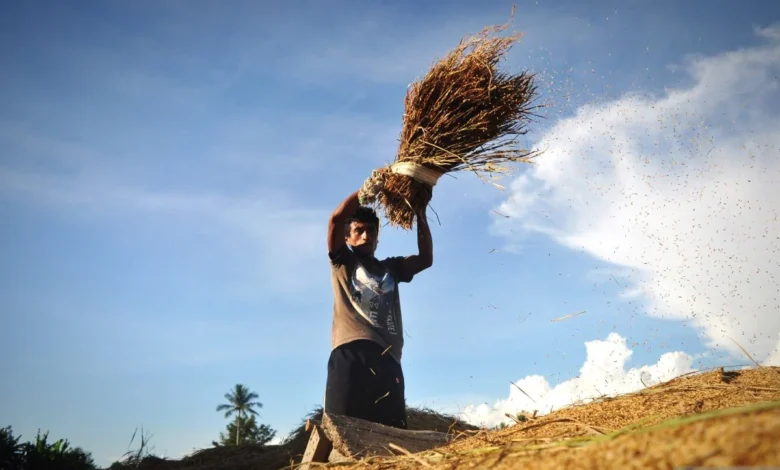
Beyond its environmental and energy security implications, Bobibos offers a tangible economic uplift for Indonesian farmers. What was once considered valueless waste, discarded or burned, is now being transformed into a product with significant market potential. This creates a new revenue stream for farmers, turning a post-harvest burden into a profitable resource. This integrated approach not only addresses energy needs but also fosters a circular economy within the agricultural sector, maximizing the value derived from every harvest.
Product Variants and Broad Applicability
Bobibos is being produced in two primary variants: gasoline and diesel. This dual-product strategy ensures wide applicability across a spectrum of engines and machinery. The fuel is designed to be compatible with a broad range of vehicles and equipment, including motorcycles, cars, tractors, fishing boats, and even small-scale industrial machinery. This versatility is a critical factor in its potential for widespread adoption.
Key Advantages of Bobibos
The development team highlights several key advantages associated with Bobibos:
- High Performance: Achieving a RON of 98, it matches or exceeds the performance of many premium gasoline grades.
- Environmental Friendliness: Near-zero emission output significantly reduces air pollution and greenhouse gas contributions.
- Renewable Source: Derived from agricultural waste, it offers a sustainable and replenishable energy alternative.
- Cost Competitiveness: Potential for lower production costs due to abundant local feedstock and efficient processing, leading to competitive pricing.
- Energy Independence: Reduces reliance on imported fossil fuels, bolstering national energy security.
- Rural Economic Empowerment: Creates new income opportunities for farmers and supports the agricultural sector.
Early Demonstrations and Official Endorsements
The efficacy and performance of Bobibos have already been subject to preliminary testing and demonstration. Governor of West Java, Dedi Mulyadi, personally conducted a trial of Bobibos using a diesel tractor at Lembur Pakuan. His observations indicated optimal engine performance, characterized by lighter operation and significantly cleaner exhaust fumes. This hands-on endorsement from a prominent regional leader underscores the practical viability of the biofuel.
The reception to Bobibos has extended beyond government officials to include key industry players. H. Amir Mahpud, owner of PT Primajasa, a prominent transportation company, has expressed a firm commitment to collaborating on the use of Bobibos. Primajasa operates a substantial fleet of buses serving the Jabodetabek (Jakarta, Bogor, Depok, Tangerang, Bekasi) and West Java regions. This partnership signifies a critical step towards scaling up the adoption of Bobibos, potentially influencing the broader transportation sector to transition towards greener fuels. Such collaborations are vital in demonstrating the commercial feasibility and widespread applicability of innovative renewable energy solutions.
Economic Multipliers and Sustainable Cycles
The economic benefits of Bobibos production extend far beyond the direct sale of fuel. The process itself generates additional valuable byproducts. It is estimated that each hectare of rice paddy can yield up to 3,000 liters of biofuel. Furthermore, the processing of rice straw can also generate animal feed and organic fertilizer. This multifaceted output creates a powerful economic multiplier effect, fostering a truly sustainable economic cycle within the agricultural sector. Farmers can transition from being solely food producers to also becoming vital contributors to the national supply of energy, animal feed, and organic fertilizer. This integrated approach not only enhances their livelihoods but also strengthens national resilience in multiple sectors.
Broader Context: Indonesia’s Renewable Energy Landscape
The development of Bobibos aligns with Indonesia’s broader strategic objectives in renewable energy. The nation has set ambitious targets for increasing the contribution of renewable energy sources to its overall energy mix, driven by both environmental concerns and the desire for energy security. The government has been actively promoting biofuels as a key component of this strategy.
Previous initiatives and ongoing research in Indonesia highlight a national commitment to diversifying energy sources. For instance, the development of bioavtur (bio-aviation fuel) from used cooking oil, as recognized by IPB experts, signifies the country’s innovative approach to utilizing waste streams for advanced fuels. The government’s interest in the potential of biofuels, as evidenced by international collaborations and policy discussions, underscores the strategic importance of this sector. Reports of Australia’s interest in plant-based fuels for emission reduction and Japan’s development of alternative fuels from diverse materials like wood and paper, further contextualize Indonesia’s efforts within a global trend towards sustainable energy.
The discourse surrounding alternative energy sources in Indonesia often includes discussions on the need for a clear roadmap for bioethanol and other bio-based fuels. This suggests a policy environment that is increasingly receptive to innovations like Bobibos, which can contribute to fulfilling these national energy goals. The challenges in implementing alternative energy research, as acknowledged by experts, often revolve around scaling up production, ensuring cost-effectiveness, and establishing robust supply chains. Innovations like Bobibos, which address these challenges by leveraging abundant local resources and creating integrated economic benefits, are therefore crucial for the success of Indonesia’s renewable energy transition.
Analysis of Implications: A Path Towards Energy Independence and Sustainability
The emergence of Bobibos holds significant implications for Indonesia. Firstly, it offers a tangible pathway towards reducing the nation’s dependence on imported fossil fuels. This is not merely an economic consideration but also a matter of national security, as volatile global energy markets can impact domestic stability. By harnessing domestic agricultural waste, Indonesia can significantly bolster its energy self-sufficiency.
Secondly, the environmental benefits are profound. With Indonesia being one of the world’s major contributors to greenhouse gas emissions, a transition to cleaner fuels like Bobibos is critical. The near-zero emission profile directly addresses air quality concerns, particularly in urban areas, and contributes to global efforts to combat climate change.
Thirdly, the socio-economic impact on rural communities is substantial. By creating value from agricultural waste, Bobibos empowers farmers, diversifies rural economies, and fosters a more sustainable agricultural ecosystem. This can lead to improved livelihoods, reduced rural-to-urban migration, and a more equitable distribution of economic benefits.
The successful scaling and widespread adoption of Bobibos will, however, depend on several factors. These include continued government support through favorable policies and incentives, robust investment in production infrastructure, ongoing research and development to optimize the process and explore further applications, and public awareness campaigns to encourage consumer adoption. The collaborative efforts between PT Inti Sinergi Formula, regional governments, and private sector entities like PT Primajasa are crucial for navigating these challenges and realizing the full potential of this innovative biofuel.
In conclusion, Bobibos represents more than just a new fuel; it embodies Indonesia’s ingenuity and commitment to a sustainable future. By transforming agricultural waste into a high-performance, environmentally friendly energy source, Bobibos paves the way for enhanced energy independence, cleaner air, and a more prosperous rural economy, marking a significant milestone in the nation’s green energy revolution.