Isuzu Astra Motor Indonesia Urges Enhanced Maintenance for Diesel Vehicles Amidst B50 Biodiesel Implementation


Jakarta, Indonesia – Isuzu Astra Motor Indonesia (IAMI) is strongly advising owners of diesel-powered vehicles to prioritize regular and meticulous maintenance following the nationwide rollout of B50 biodiesel. This proactive measure is deemed essential given the novelty of the B50 blend, which may necessitate specific adjustments and increased vigilance from vehicle operators.
Anjar Rosjadi, Business Solution Director at IAMI, confirmed that the company has undertaken a comprehensive series of trials to assess the performance and compatibility of its vehicle range with B50 biodiesel. These rigorous testing protocols are designed to ensure that Isuzu vehicles can continue to operate optimally as the mandated use of B50 becomes more widespread across the Indonesian archipelago.
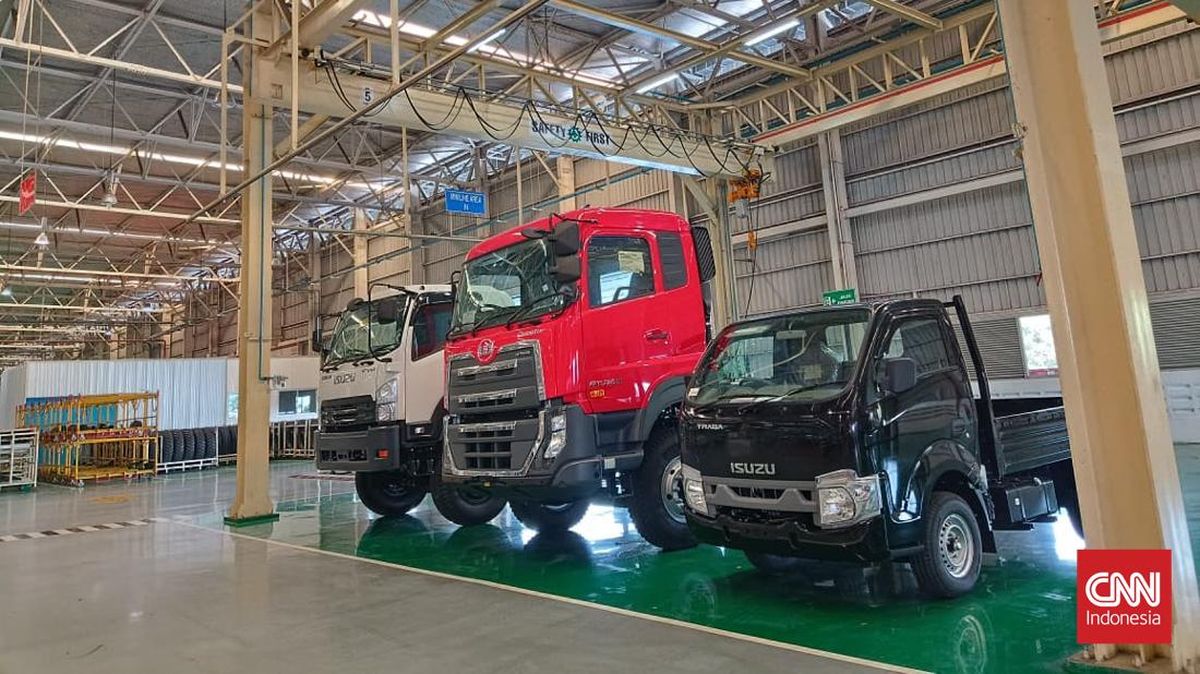
"As a form of our support and anticipation, we have naturally conducted trials and tests concerning the vehicles we produce in their use of B50," Rosjadi stated during an interaction at the Isuzu plant in Karawang, West Java, on Monday, July 20. This commitment to testing underscores Isuzu’s dedication to its customers and its role in adapting to evolving fuel standards.
Understanding B50 Biodiesel: Properties and Implications
Rosjadi elaborated on the distinct characteristics of B50 biodiesel, highlighting its higher vegetable oil content. This elevated proportion of bio-based components, he explained, means that B50 possesses properties that require greater attention from vehicle owners compared to conventional diesel fuel.
Specifically, Rosjadi pointed out that B50 exhibits a more hygroscopic nature, meaning it has a greater tendency to absorb moisture from the atmosphere. Furthermore, it possesses a notable cleansing capability. While the cleansing aspect can be beneficial in removing accumulated deposits within fuel systems, its hygroscopic characteristic introduces a potential challenge. The absorption of water can lead to issues such as corrosion and the proliferation of microbial growth within fuel tanks and lines, potentially impacting fuel quality and engine performance over time.
"Therefore, the characteristics of B50 fuel that I’ve mentioned, perhaps friends have read in the media, is its more hygroscopic nature and its significant cleansing ability. This needs to be anticipated; the condition of periodic maintenance must be heeded," Rosjadi emphasized, underscoring the critical role of consistent servicing.
Initial Test Results and Ongoing Monitoring
Despite these potential challenges, initial findings from Isuzu’s extensive testing phase have not indicated any significant negative impact on the performance of their vehicles when running on B50.
"The results from Isuzu’s tests so far show that the vehicles used are still running normally, and in terms of performance, there have been no significant changes," Rosjadi reported. This early assessment suggests that the company’s diesel engines are largely resilient to the B50 blend under current operating conditions.
However, Isuzu remains committed to a long-term evaluation process. The company is continuing to monitor the effects of B50 biodiesel usage over extended periods to identify any subtle or cumulative impacts that may not be immediately apparent. This sustained observation is crucial for developing long-term maintenance recommendations and ensuring the enduring reliability of their vehicles.
Government Policy and Industry Support
Isuzu, through IAMI, has expressed its fundamental support for the Indonesian government’s policy aimed at promoting the increased use of B50 biodiesel. This policy aligns with broader national objectives of enhancing energy security, reducing reliance on imported fossil fuels, and supporting the domestic agricultural sector by creating a consistent demand for palm oil and other vegetable-based feedstocks.
The implementation of such a significant shift in fuel composition is not without its complexities. Rosjadi acknowledged that several challenges persist, spanning from the operational aspects of vehicles themselves to the readiness of fuel distribution infrastructure across various regions of Indonesia.
"Indeed, there are several challenges, including the operational aspect of the vehicles themselves. Our hope is that the implementation of B50, in terms of distribution and preparation, can serve all communities across Indonesia," he remarked. This statement reflects an understanding of the logistical hurdles involved in ensuring consistent fuel quality and availability nationwide, particularly in remote or less developed areas.
Background and Context: The Evolution of Biodiesel in Indonesia
Indonesia’s journey towards greater biodiesel integration is part of a global trend driven by environmental concerns and the desire for energy independence. The nation, being a major producer of palm oil, has strategically leveraged this resource to develop its biodiesel program.
The B30 program, a blend of 30% palm oil-based biodiesel and 70% petroleum diesel, was mandated nationwide in January 2020. The transition to B50 represents a further escalation of this commitment, aiming to increase the domestic consumption of palm oil, support the livelihoods of millions of smallholder farmers, and contribute to reducing greenhouse gas emissions.
Supporting Data and Global Trends
Globally, the adoption of biodiesel has been driven by similar objectives. According to the U.S. Energy Information Administration (EIA), biodiesel is a renewable fuel derived from vegetable oils, animal fats, or recycled grease. It can be used in its pure form or blended with conventional diesel fuel. Biodiesel combustion results in lower emissions of particulate matter, carbon monoxide, and hydrocarbons compared to petroleum diesel.
However, the properties of biodiesel, such as its higher viscosity and potential for oxidation and polymerization, can necessitate adjustments in fuel storage, handling, and vehicle maintenance, especially with higher blend ratios. For instance, research published in the Journal of Cleaner Production has explored the impact of higher biodiesel blends on engine components, fuel filters, and elastomers, often recommending the use of more robust materials and more frequent filter replacements.
Broader Implications and Future Outlook
The successful implementation of B50 biodiesel hinges on a collaborative effort between fuel producers, vehicle manufacturers, government agencies, and consumers. For vehicle manufacturers like Isuzu, this means not only conducting rigorous testing but also potentially updating technical manuals and providing clear guidance to their dealer networks and end-users.
The long-term implications of B50 extend beyond vehicle maintenance. A consistent and robust demand for biodiesel can significantly impact Indonesia’s agricultural sector, potentially leading to increased investment in palm oil cultivation and processing. It also plays a crucial role in Indonesia’s energy security strategy, reducing the nation’s dependence on imported fossil fuels and stabilizing the trade balance.
However, the environmental impact of increased palm oil production, including deforestation and biodiversity loss, remains a significant concern that needs to be addressed through sustainable agricultural practices and stringent regulatory oversight. The debate surrounding the sustainability of palm oil production is ongoing, with various stakeholders advocating for certified sustainable palm oil (CSPO) initiatives.
IAMI’s proactive stance in advising its customers on enhanced maintenance reflects a responsible approach to navigating the complexities of the B50 transition. By emphasizing regular servicing, Isuzu aims to mitigate potential issues, ensure the continued reliability of its diesel fleet, and contribute to the smooth execution of the government’s biofuel policy. As the nation continues to embrace renewable energy solutions, such industry-manufacturer collaborations will be vital in achieving both environmental and economic objectives. The ongoing monitoring and adaptation by companies like Isuzu will be key to ensuring that the benefits of B50 biodiesel are realized without compromising the performance and longevity of the vehicles that are crucial to Indonesia’s economy and infrastructure.