An Innovative Coconut Shell Rujak Emerges from Semarang, Blending Tradition and Novelty

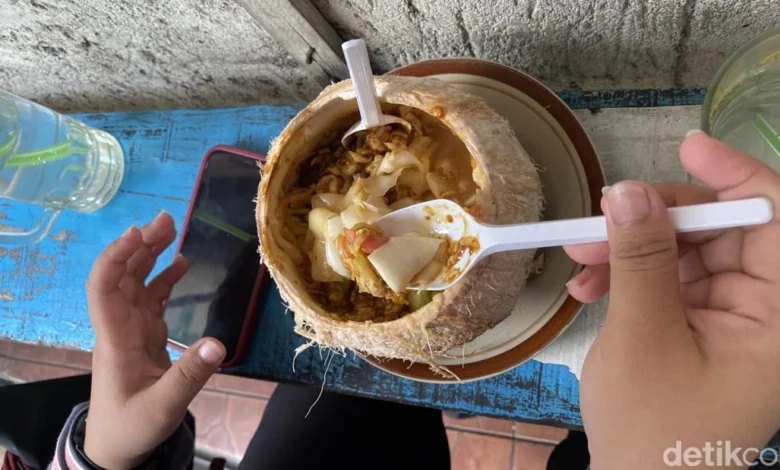
A unique culinary innovation is capturing the attention of Semarang residents, as a street food vendor has begun serving rujak, a popular Indonesian fruit salad, within the natural shell of a coconut. This distinctive approach, observed in front of SDN 4 Tambakaji in the Ngaliyan District, offers a refreshing twist on a familiar local delicacy, blending traditional flavors with an environmentally conscious and visually appealing presentation.
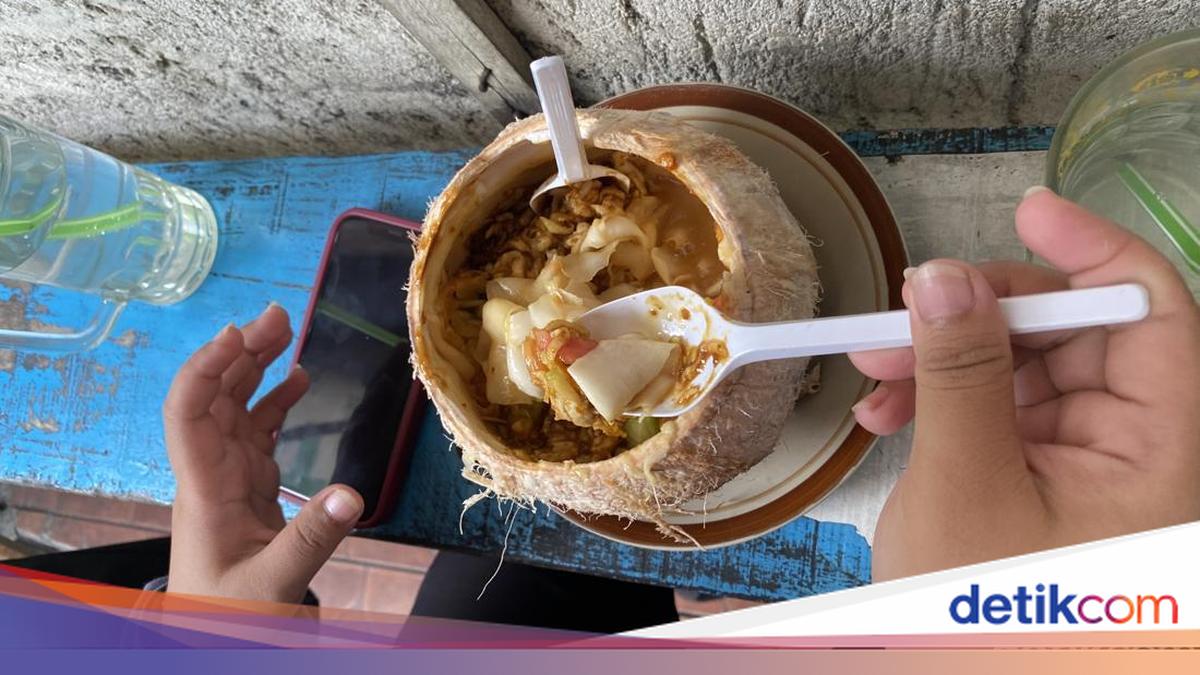
The vendor, operating under the banner of ‘Kedai Rujak Amerika’ (America Rujak Stall), has established a presence on Jalan Prof Dr Hamka, a bustling street shaded by mature trees. Their signature offering, "Rujak Degan," features a medley of fresh fruits and a unique inclusion: grated young coconut meat, all served in a halved coconut shell. This departure from conventional plates and bowls not only adds to the aesthetic appeal but also provides a sustainable and biodegradable serving vessel.
The Genesis of a Unique Culinary Creation
Arif, the 46-year-old proprietor of Kedai Rujak Amerika, is the creative force behind this innovative rujak variation. The concept for Rujak Degan was not born from extensive planning but rather from a spontaneous moment of culinary experimentation. Arif recounted how the idea sparked when he decided to combine the rujak he prepared with the young coconut (degan) being sold by a neighboring vendor.
"I was just trying it out," Arif explained to detikJateng, a local news outlet. "Next to my stall, there’s a young coconut ice seller. I thought, why not try adding my chili sauce to it? It turned out to be surprisingly delicious." This simple act of curiosity led to the development of a menu item that has since become a local sensation.
The initial reception to this novel dish was overwhelmingly positive. Arif shared his homemade Rujak Degan recipe with his wife, who then showcased it on social media. The post quickly garnered significant attention, piquing the curiosity of many and driving immediate sales. The visual appeal of the rujak served in its natural coconut shell, coupled with the promise of a new flavor profile, created a buzz that translated into tangible customer interest.
A Symphony of Flavors and Textures
Rujak Degan, at its core, is a harmonious blend of sweet, sour, spicy, and refreshing elements. The base consists of a variety of freshly cut fruits, including pineapple, kedondong (ambarella), mango, papaya, and bengkoang (jicama). These fruits are meticulously sliced and sometimes shredded, depending on the specific rujak variant ordered.
What sets Rujak Degan apart is the incorporation of young coconut flesh, finely grated and mixed with the fruits. This addition introduces a subtle sweetness and a tender texture that complements the crispness of the other fruits. The accompanying rujak sauce, a spicy concoction of chili, palm sugar, tamarind, and peanuts, is then generously drizzled over the fruit and coconut mixture.
The presence of the young coconut meat imparts a unique characteristic to the sauce. As Arif described, it creates a texture that is "a bit like a spicy coconut milk," adding a layer of richness without overpowering the inherent tang and freshness of the fruits. The natural liquid from the young coconut is served separately in a glass, providing a cooling and palate-cleansing beverage that effectively counteracts the spiciness of the rujak sauce. This thoughtful pairing enhances the overall dining experience, allowing patrons to savor each component of the dish.
Sustainable Serving and Customer Appeal
The use of the coconut shell as a serving vessel is a deliberate choice that aligns with growing consumer interest in sustainable practices. In an era where single-use plastics are a major environmental concern, offering food in biodegradable and compostable containers like coconut shells is a significant advantage. This eco-friendly approach resonates with environmentally conscious consumers and sets Kedai Rujak Amerika apart from competitors.
The visual presentation is another key factor contributing to the dish’s popularity. The vibrant colors of the fruits arranged within the rustic brown shell create an attractive and appetizing display, making it a popular subject for social media sharing. Customers often photograph their Rujak Degan before indulging, further amplifying its reach and appeal.
Pricing and Accessibility
Kedai Rujak Amerika offers a tiered pricing structure for its rujak varieties. The signature Rujak Degan is priced at Rp 35,000 per portion, which includes the mixed fruits, grated coconut, and the accompanying coconut water. Other rujak options, such as rujak serut (shredded rujak) and rujak potong (cut rujak), are available for Rp 15,000 per portion.
Despite fluctuations in the prices of raw ingredients, including fruits and coconuts, Arif has maintained his current pricing. This commitment to affordability has likely contributed to the consistent customer flow. He noted that the Rujak Degan is a substantial serving, often sufficient for sharing among two to three people, making the Rp 35,000 price point a reasonable value proposition for many.
Operational Details and Vendor History
Kedai Rujak Amerika operates daily from 10:00 AM to 5:00 PM. However, due to high demand, Arif occasionally closes his stall earlier, sometimes as early as 4:00 PM, once his ingredients are depleted. This indicates a strong and consistent customer base for his offerings.
Arif, originally from Mangkang, has been a street food vendor at this location for 16 years. He transitioned to selling rujak after a career as a truck driver. The Rujak Degan, however, is a relatively recent addition to his menu, having been introduced approximately five years ago.
The intriguing name, ‘Kedai Rujak Amerika,’ has a story of its own, unrelated to any direct connection with the United States. Arif explained that when he first started selling rujak, his cart featured an American flag. Customers, observing this, began referring to his stall as "that America rujak stall." Over time, the name stuck, adopted by the community rather than being a deliberate branding choice by Arif himself. This organic naming process adds a layer of local charm to the business.
Customer Testimonials and Market Reception
The innovative Rujak Degan has garnered positive feedback from customers, who often express surprise and delight at the unique combination. Elsa, a 25-year-old resident of Semarang Selatan, shared her experience after discovering the Rujak Degan on social media.
"I usually just buy regular fruit rujak, where the fruit pieces are cut large," Elsa stated. "But this Rujak Degan is something new and different because it uses a coconut shell and has grated coconut inside." She further elaborated, "It tastes fresh, but even fresher because of the coconut flavor. And there’s coconut water too. I found out from social media and rushed here, afraid they might be closed, as they close in the afternoon."
Elsa also commented on the value for money, noting, "It’s worth it. If the average rujak costs Rp 15,000, this one with the young coconut is Rp 35,000, but you get a lot, enough to share." This sentiment highlights that customers perceive the higher price as justified by the quantity, quality, and unique experience offered.
Broader Implications and Market Trends
The success of Kedai Rujak Amerika and its Rujak Degan can be viewed within the context of several emerging trends in the food industry. Firstly, it exemplifies the growing consumer demand for unique and Instagrammable food experiences. In an increasingly digital world, visually appealing dishes that lend themselves well to social media sharing often gain rapid popularity.
Secondly, the emphasis on sustainable and eco-friendly practices is a significant driver in consumer choices. As awareness of environmental issues grows, consumers are actively seeking out businesses that align with their values. Arif’s use of coconut shells taps into this demand, offering a guilt-free indulgence.
Thirdly, the story of Arif and Kedai Rujak Amerika underscores the power of local innovation and entrepreneurship. Simple, home-grown ideas, when executed with creativity and passion, can capture the imagination of a community and lead to business success. The concept of adapting traditional dishes with novel ingredients and presentation methods is a testament to the dynamic nature of street food culture.
Furthermore, the story highlights the influence of social media in shaping consumer behavior and driving culinary trends. Platforms like Instagram and Facebook have become powerful marketing tools for small businesses, allowing them to reach a wider audience and build a loyal customer base.
The emergence of Rujak Degan also suggests a broader movement towards reinterpreting classic dishes. By incorporating unexpected elements like young coconut and serving them in unconventional vessels, vendors like Arif are not just selling food; they are offering an experience. This approach encourages culinary exploration and keeps traditional flavors relevant and exciting for new generations of consumers.
The continued popularity of Rujak Degan may inspire other street food vendors to experiment with similar innovations, potentially leading to a wider array of unique culinary offerings in Semarang and beyond. The story of Kedai Rujak Amerika serves as an inspiring example of how a simple idea, combined with a commitment to quality and a touch of entrepreneurial spirit, can create a memorable and successful food business. The blend of tradition, innovation, and sustainability present in this humble coconut shell rujak signifies a promising future for creative culinary ventures in Indonesia.