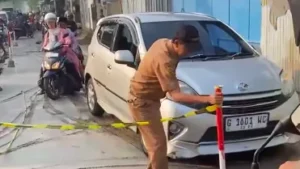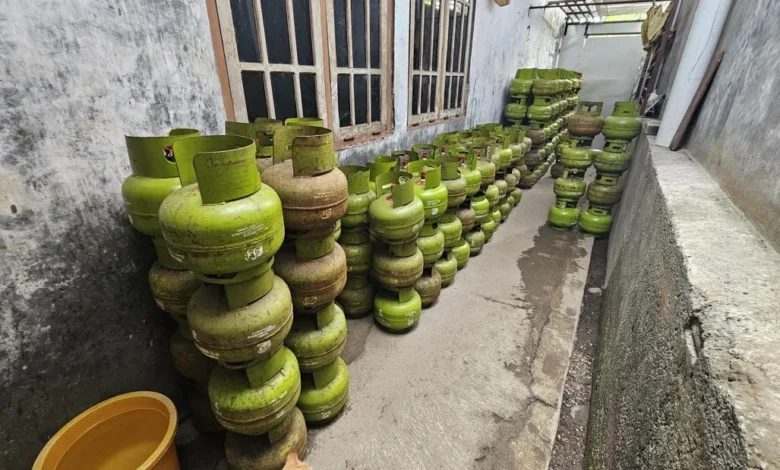
Purwokerto, Indonesia – Authorities in Purwokerto, Banyumas Regency, have dismantled a sophisticated operation involved in the illicit diversion and repackaging of subsidized 3-kilogram Liquefied Petroleum Gas (LPG) cylinders into larger, non-subsidized tanks. The Banyumas Resort Police (Sat Reskrim Polresta Banyumas) apprehended a 38-year-old suspect, identified by the initials ACY, also known as Prenjak, and seized a substantial quantity of illegally modified gas cylinders. This operation highlights a persistent challenge in Indonesia, where the subsidization of essential energy resources is often exploited for illicit profit, impacting both national energy policy and the accessibility of affordable fuel for intended beneficiaries.
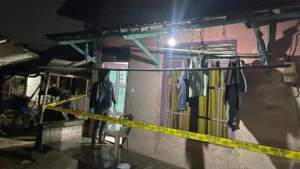
The investigation, which culminated in the raid on Thursday, July 16, 2026, at approximately 13:00 WIB, was reportedly initiated following credible intelligence from concerned members of the public. Residents in the Mersi sub-district of Purwokerto Timur reported suspicious activities emanating from a residential property, prompting a swift response from the Sat Reskrim. Upon arrival, law enforcement officers observed a clandestine operation in progress, specifically the siphoning of gas from the 3-kilogram subsidized cylinders into larger, non-subsidized 12-kilogram tanks.
The Anatomy of the Illicit Operation
According to Kombes Petrus Silalahi, the Chief of the Banyumas Resort Police, the modus operandi of the suspect, ACY, involved the procurement of 3-kilogram subsidized LPG cylinders. These cylinders, intended for lower-income households and specific businesses, were then illegally emptied using specialized equipment. The stolen gas was subsequently transferred into non-subsidized cylinders of both 5.5-kilogram and 12-kilogram capacities. The ultimate goal of this fraudulent enterprise was to profit from the price differential between subsidized and non-subsidized LPG, effectively deceiving consumers into purchasing refilled tanks at inflated prices.
"Acting on the public’s report, the Satreskrim team conducted an investigation and visited the location," Kombes Petrus Silalahi stated in a press release issued on Saturday, July 18, 2026. "Officers discovered activity involving the injection of gas from 3-kilogram subsidized LPG cylinders into non-subsidized 12-kilogram LPG cylinders. Subsequently, the suspect and all evidence were secured at the Banyumas Resort Police for further investigation."
Seized Evidence and Financial Gains
The police operation yielded a significant haul of evidence, underscoring the scale of the illicit operation. Confiscated items included:
- 215 sealed and full 3-kilogram subsidized LPG cylinders, indicating a substantial inventory ready for diversion.
- Dozens of other 3-kilogram subsidized and non-subsidized LPG cylinders, suggesting a continuous workflow and multiple stages of the process.
- Eight specialized injection tools, essential for the transfer of gas between cylinders.
- A digital scale, likely used to measure the quantity of gas transferred and ensure consistency in the refilled tanks.
- A seal-opening tool, necessary to bypass the tamper-evident seals on the subsidized cylinders.
- Hundreds of LPG cylinder seal caps, indicating the effort to reseal the refilled tanks to appear legitimate.
- Cash totaling Rp 3,430,000, representing the proceeds from the illegal sales of the refilled LPG.
- A mobile phone, suspected to have been used for coordinating the illicit activities, including procurement and sales.
The monetary gains, while significant for the perpetrator, represent a fraction of the potential economic damage caused by such schemes. The price difference between a subsidized 3-kilogram LPG cylinder and a non-subsidized 12-kilogram cylinder can be substantial, allowing for considerable profit margins when operating on a large scale and without regard for legal or ethical considerations.
Background: The Subsidy System and its Vulnerabilities
Indonesia’s LPG subsidy program is a cornerstone of the national energy policy, designed to alleviate the financial burden on low-income households and small businesses. The government allocates significant funds to subsidize the price of 3-kilogram LPG cylinders, making them significantly cheaper than their non-subsidized counterparts. This policy aims to ensure access to affordable cooking fuel for millions of Indonesians. However, the disparity in pricing creates a lucrative incentive for individuals and criminal networks to divert these subsidized resources for personal gain.
Historically, the diversion of subsidized goods, including fuel, rice, and fertilizer, has been a recurring issue in Indonesia. The porous nature of distribution networks, coupled with a demand for cheaper alternatives in the non-subsidized market, creates fertile ground for such illegal activities. The current case in Purwokerto is a stark reminder of the ongoing challenges faced by authorities in safeguarding these vital subsidies and ensuring they reach their intended recipients.
Chronology of the Event
- Prior to July 16, 2026: Concerned citizens in Purwokerto Timur, Banyumas Regency, observe suspicious activities at a residential property in the Mersi sub-district.
- July 16, 2026, approximately 13:00 WIB: Based on public intelligence, the Banyumas Resort Police (Sat Reskrim Polresta Banyumas) launch an investigation and raid the suspected location.
- During the raid: Officers discover the illicit operation of siphoning LPG from 3-kilogram subsidized cylinders to larger, non-subsidized ones.
- During the raid: The primary suspect, ACY alias Prenjak (38), is apprehended at the scene.
- During the raid: Law enforcement seizes a substantial quantity of evidence, including LPG cylinders, specialized equipment, cash, and a mobile phone.
- July 18, 2026: Kombes Petrus Silalahi, Chief of the Banyumas Resort Police, publicly announces the successful dismantling of the operation and provides details of the case and the charges against the suspect.
Official Statements and Legal Ramifications
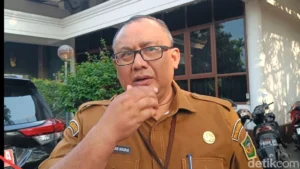
Kombes Petrus Silalahi emphasized the detrimental impact of such illegal activities, not only on the state’s finances but also on the welfare of the general populace. "The 3-kilogram LPG is designated for eligible members of the public, thus this kind of repackaging practice is not only against the law but also harms the interests of the wider community," he stated. He also commended the proactive role of the community in providing crucial information that led to the breakthrough.
The suspect, ACY, faces severe legal consequences. He has been charged under Article 55 of Law Number 22 of 2001 concerning Oil and Gas, as amended by Law Number 6 of 2023 concerning the Stipulation of Government Regulation in Lieu of Law Number 2 of 2022 on Job Creation into Law, and further amended by Law Number 1 of 2026 concerning the Adjustment of Criminal Acts. This legislation carries a maximum prison sentence of six years, reflecting the seriousness with which the Indonesian government views the diversion of subsidized energy resources.
Broader Implications and Analysis
The Purwokerto LPG diversion case is symptomatic of a larger, systemic issue that requires a multi-faceted approach. The financial burden of LPG subsidies in Indonesia is substantial, and leakage from the system not only represents a direct financial loss to the government but also undermines the very purpose of the subsidy. When subsidized LPG is diverted to the non-subsidized market, it reduces the availability of affordable fuel for those who rely on it most, forcing them to either seek more expensive alternatives or face difficulties in accessing essential energy.
Furthermore, such illegal operations can create artificial shortages in the supply chain for subsidized LPG, leading to price fluctuations and increased frustration among legitimate consumers. The use of specialized equipment and the systematic repackaging suggest a degree of organization and planning, indicating that this may not be an isolated incident but rather part of a broader network engaged in similar illicit activities.
Addressing the Challenge
Combating the diversion of subsidized LPG requires a concerted effort involving several key strategies:
- Enhanced Monitoring and Enforcement: Increased surveillance of distribution channels, from wholesale depots to retail outlets, is crucial. This includes leveraging technology such as GPS tracking for transportation and implementing stricter auditing procedures.
- Public Awareness Campaigns: Educating the public about the illegality and negative consequences of participating in or reporting such schemes can empower communities to act as informants and discourage involvement.
- Strengthening Distribution Networks: Ensuring that subsidized LPG reaches its intended beneficiaries efficiently and without leakage is paramount. This may involve optimizing distribution routes, improving infrastructure, and implementing better inventory management systems.
- Technological Solutions: Exploring the use of smart cards or digital identification systems for purchasing subsidized LPG could help verify eligibility and prevent multiple purchases by individuals or businesses not entitled to the subsidy.
- Community Engagement: As demonstrated by the Purwokerto case, active community participation is invaluable. Establishing clear and accessible channels for reporting suspicious activities, coupled with swift and transparent action by law enforcement, can build trust and encourage further cooperation.
The successful operation in Purwokerto serves as a positive example of law enforcement’s commitment to safeguarding public resources. However, the ongoing nature of these illicit practices underscores the persistent need for vigilance and continuous efforts to fortify the integrity of Indonesia’s vital subsidy programs. The economic and social implications of these diversions are far-reaching, impacting national budgets, consumer welfare, and the equitable distribution of essential resources.