Analyzing the Long-Term Investment Potential: Gold’s Enduring Reign Versus Silver’s Volatile Promise Amidst a "Hidden Treasure" Narrative

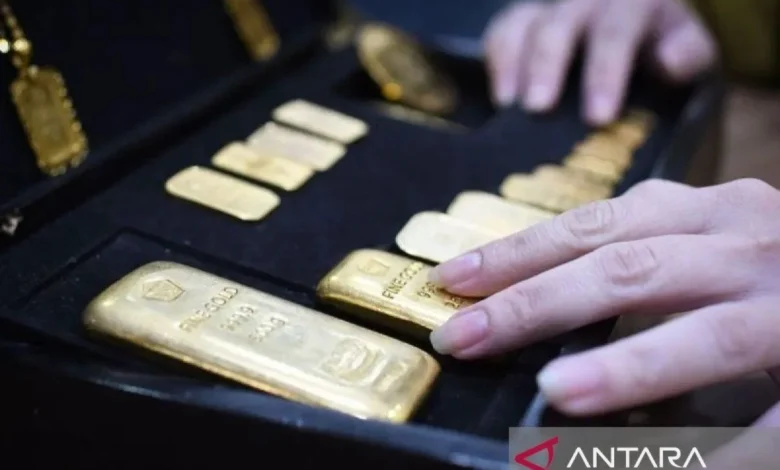
The financial landscape is currently experiencing a surge in discussions across social media platforms, with a compelling narrative emerging that positions silver as a "hidden treasure" poised to deliver significantly higher returns than its more celebrated counterpart, gold. This burgeoning discourse has ignited a wave of Fear of Missing Out (FOMO) among novice investors, prompting a critical re-evaluation of precious metals portfolios. The central question resonating through these debates is whether silver genuinely possesses the capacity to dethrone gold from its long-held position as the quintessential safe-haven asset and investment standard. A comprehensive examination of gold and silver’s respective investment characteristics, market dynamics, and underlying fundamentals is crucial to discerning their long-term viability.
Historical Context and Evolving Market Dynamics of Precious Metals
For millennia, both gold and silver have played pivotal roles in human civilization, serving as currency, symbols of wealth, and raw materials. Gold, with its inherent scarcity, immutability, and resistance to corrosion, has consistently been revered as the ultimate store of value, particularly during periods of economic instability and geopolitical turmoil. Central banks globally maintain substantial gold reserves, underscoring its enduring status as a sovereign asset and a hedge against currency devaluation. Its market behavior is primarily driven by investment demand, monetary policy, and its perception as a safe haven. The World Gold Council reports that central banks added 1,037 tonnes to global gold reserves in 2022, the highest level in 55 years, and continued significant purchases in 2023, reflecting a strategic shift towards de-dollarization and risk mitigation.
Silver, on the other hand, boasts a dual identity. While it historically functioned as coinage and a store of value, its industrial applications have grown exponentially, now constituting a significant portion of its overall demand. The Silver Institute projects industrial demand for silver to reach record highs, driven by its critical role in solar panels, electric vehicles (EVs), 5G technology, and various electronic components. This dual nature imbues silver with unique market dynamics, making its price more susceptible to fluctuations in industrial output, technological advancements, and broader economic cycles. The recent "hidden treasure" narrative surrounding silver is partly fueled by its perceived undervaluation relative to gold and the burgeoning demand from high-growth industrial sectors, particularly those linked to green energy and advanced electronics.
The current global economic climate—marked by persistent inflationary pressures, fluctuating interest rates, and geopolitical uncertainties—has reignited investor interest in precious metals. Inflation, in particular, erodes the purchasing power of fiat currencies, making tangible assets like gold and silver attractive hedges. For instance, in October 2023, global inflation rates, while moderating in some regions, remained elevated compared to pre-pandemic levels, with the US Consumer Price Index (CPI) hovering around 3-4% and the Eurozone Harmonized Index of Consumer Prices (HICP) showing similar trends. However, the distinct characteristics of each metal mean they respond differently to these macroeconomic forces, necessitating a nuanced understanding for long-term investment strategies.
Deep Dive into Investment Characteristics: Gold Versus Silver
Understanding the fundamental differences between gold and silver as investment vehicles is paramount for making informed decisions. Here, we dissect key aspects of their performance and practicality.
1. Stability and Value Appreciation: The Safe-Haven Standard vs. Industrial Volatility
Gold’s primary appeal lies in its unwavering stability as a safe-haven asset. Its value tends to appreciate consistently, albeit gradually, during times of economic uncertainty, acting as a reliable hedge against market downturns and currency depreciation. Over the past five decades, gold has delivered an average annual return of approximately 8-10%, demonstrating its resilience. For instance, during the 2008 global financial crisis, gold prices surged by over 20% in the immediate aftermath as investors sought refuge from collapsing equity markets. Similarly, in the wake of the COVID-19 pandemic’s initial shock in early 2020, gold saw significant upward momentum, reaching new all-time highs above $2,000 per ounce. While its growth is often described as slow, requiring an investment horizon of at least five years for satisfactory profits, this characteristic is precisely what appeals to conservative investors seeking capital preservation. Gold’s correlation with major equity markets is often negative or low, making it an excellent diversifier.
Silver, in stark contrast, is notoriously more volatile. Its price movements are often amplified compared to gold, a phenomenon sometimes referred to as silver’s "high beta." Historically, silver’s volatility has been observed to be 2-3 times that of gold. This heightened volatility stems from its significant industrial demand, which accounts for over 50% of its total consumption. When the global economy is robust, industrial demand for silver in electronics, solar panels, and automotive components drives prices up dramatically. For instance, the demand for silver in solar photovoltaic (PV) installations is projected to increase substantially, with some forecasts suggesting a doubling in the next decade due to aggressive renewable energy targets. Conversely, during economic slowdowns, industrial demand wanes, leading to sharp price declines. For example, during the 2008 crisis, while gold initially surged, silver experienced a much more dramatic drop before recovering. This potential for high returns is inextricably linked to a commensurately higher risk of drastic downturns when market sentiment or industrial output weakens. The gold-to-silver ratio, which indicates how many ounces of silver it takes to buy one ounce of gold, often serves as a barometer. Historically, this ratio has fluctuated widely, from lows of around 15:1 during periods like the late 1970s "silver squeeze" to highs exceeding 100:1 in early 2020, reflecting silver’s greater price swings. When the ratio is high, silver is considered historically cheap relative to gold, and vice versa.
2. Accessibility and Entry Barriers: Capital Requirements and Fractional Ownership
Traditionally, gold has required a substantially higher initial capital outlay compared to silver. As of late 2023, an ounce of gold typically trades for thousands of dollars (e.g., $2,000+), whereas an ounce of silver trades for tens of dollars (e.g., $20-$30). This stark price difference has historically made silver a more accessible entry point for novice investors or those with limited capital.
However, the investment landscape for gold has evolved significantly, offering greater flexibility. Modern investment products now allow individuals to start with much smaller amounts. Fractional ownership of gold, through digital gold platforms, gold ETFs (Exchange Traded Funds), or even physical purchases of small denominations (e.g., 0.01 gram or 0.1 gram), has democratized access to this asset. In Indonesia, platforms like Pegadaian’s "Tabungan Emas" (Gold Savings) enable investments starting from as little as IDR 10,000 (approximately $0.65), effectively removing the high entry barrier and making gold investment inclusive for a broader demographic. It’s also possible to invest in gold through various financial instruments, including gold futures contracts, gold mining stocks, and gold-backed exchange-traded notes (ETNs), catering to different risk appetites and investment sizes. While silver also benefits from similar fractional ownership and digital platforms, its lower unit price inherently makes it easier for new investors to acquire a more substantial physical quantity for the same budget, potentially offering a psychological advantage for those who prefer tangible assets.
3. Liquidity and Market Depth: Ease of Transaction and Bid-Ask Spreads
Liquidity, or the ease with which an asset can be converted into cash without significantly impacting its price, is a critical factor for any investment. Gold unequivocally holds a superior position in terms of liquidity. As the most popular precious metal investment, gold benefits from a vast and mature global market, with daily trading volumes often exceeding $100 billion. It can be easily bought and sold through a wide array of channels, including established financial institutions, dedicated bullion dealers, online trading platforms, and even pawnshops. This widespread accessibility ensures that investors can liquidate their gold holdings quickly and efficiently, often with minimal price discrepancy. Furthermore, the bid-ask spread—the difference between the price at which a buyer is willing to purchase and a seller is willing to sell—for gold is typically very narrow, often less than 1%. A thin spread indicates a highly efficient market and means investors retain more of their asset’s value when transacting, thereby preserving capital during sales.
Silver, while having a significant market, suffers from comparatively lower liquidity than gold. Its global market capitalization is considerably smaller (roughly one-tenth of gold’s), and its daily trading volume is lower. Its market is less extensive, and the number of specialized dealers or platforms catering specifically to silver investors is smaller. This can translate into a more challenging and potentially slower liquidation process, especially for larger physical quantities. The lower market depth for silver often results in a wider bid-ask spread, which can range from 3% to 10% or even higher for smaller transactions or less common forms of silver. A broader spread means that an investor selling silver might receive a significantly lower price than the prevailing market price, thus eroding a larger portion of their potential profit or even magnifying losses, especially during volatile periods. This factor is crucial for investors who anticipate needing to access their capital quickly or frequently, as the transaction costs can significantly impact overall returns.
4. Physical Storage and Maintenance Considerations: Volume, Security, and Oxidation
The practicalities of storing physical precious metals differ considerably between gold and silver. Gold’s high value-to-
Related posts: