Pertamina NRE and Toyota Motor Asia Announce Landmark Bioethanol Plant in Lampung to Drive Indonesia’s E10 Biofuel Mandate by 2028


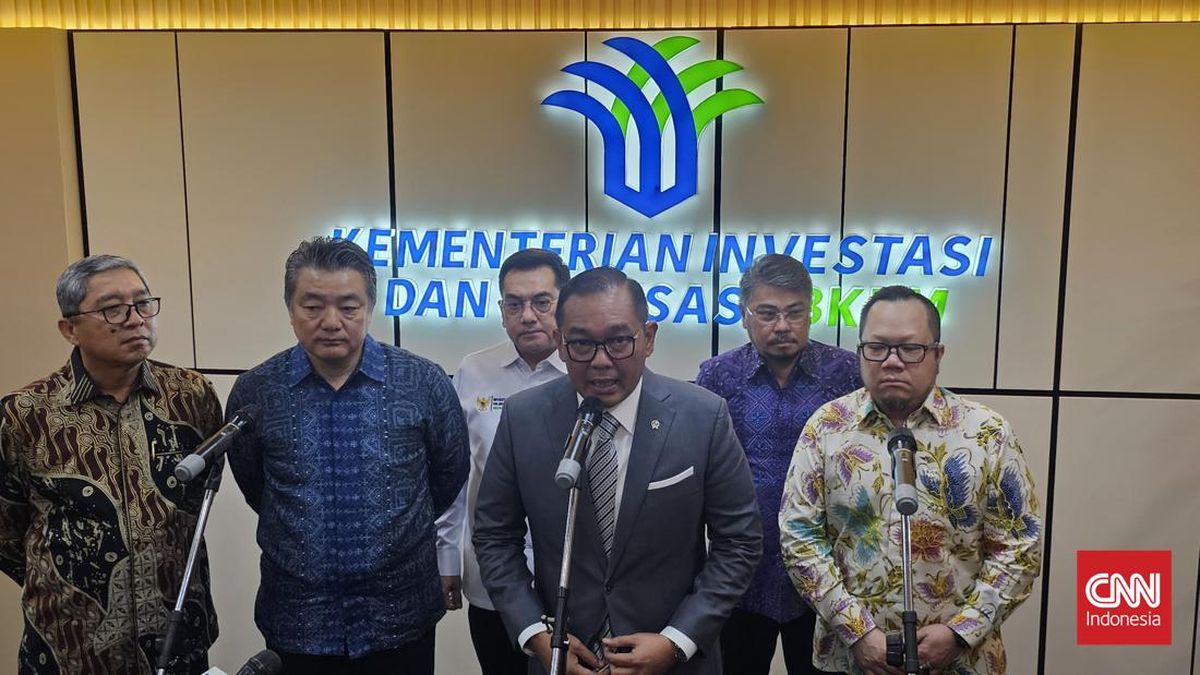
Jakarta, Indonesia – A significant stride towards Indonesia’s sustainable energy future was announced as Pertamina New & Renewable Energy (NRE), a subsidiary of the state-owned energy giant Pertamina, in collaboration with Toyota Motor Asia, revealed plans to construct a cutting-edge second-generation (2G) bioethanol plant in Lampung province. This ambitious project, slated to commence construction in the third or fourth quarter of 2026, is poised to become a cornerstone in the nation’s strategy to meet its ambitious E10 biofuel mandate by 2028, aiming to blend 10 percent ethanol into gasoline. The announcement, made at the Ministry of Investment and Downstreaming/BKPM office in South Jakarta on Monday, April 20, was met with strong government endorsement, signaling a concerted effort to bolster domestic biofuel production and reduce reliance on fossil fuels.
The initiative underscores a critical convergence of governmental policy, private sector investment, and advanced technological innovation, designed to enhance Indonesia’s energy security, foster rural economic development, and significantly contribute to national decarbonization targets. Deputy Minister of Investment and Downstreaming/Deputy Head of the Investment Coordinating Board (BKPM), Todotua Pasaribu, lauded the partnership, emphasizing its perfect alignment with the government’s long-term vision for renewable energy. "In preparation for that [E10 mandate], we must obviously prepare our domestic industry. This (the construction of the Pertamina and Toyota bioethanol plant) further strengthens and assures us," Pasaribu stated, highlighting the strategic importance of building a robust domestic supply chain for biofuels.
Strategic Location and Feedstock Advantage
Lampung province has been strategically selected as the site for this pioneering facility, primarily due to its abundant and diverse supply of feedstock, crucial for large-scale bioethanol production. Pasaribu elaborated that the region offers a strong agricultural base, providing various potential raw materials such as sugarcane, sweet potato, cassava, sorghum, and aren (palm sugar). This multi-feedstock approach is central to the project’s sustainability and resilience, mitigating risks associated with reliance on a single crop and maximizing agricultural waste utilization.
The project’s scope extends beyond merely constructing a processing plant; it encompasses the holistic development of feedstock cultivation areas. Specifically, there are plans to cultivate vast tracts of land for crops like sweet potato and sorghum, ensuring a consistent and sustainable supply chain for the bioethanol facility. This integrated approach not only secures raw material input but also promises to uplift local agricultural communities through enhanced demand for their produce and potential employment opportunities in cultivation and harvesting. The emphasis on agricultural diversification and value-addition is a key component of Indonesia’s broader rural development strategy, aiming to create more resilient and prosperous farming communities.
Technological Innovation and International Collaboration
A distinguishing feature of this project is its commitment to second-generation (2G) bioethanol technology. Unlike first-generation biofuels that typically rely on food crops, 2G technology leverages non-food biomass, including agricultural waste, lignocellulosic materials, and dedicated energy crops. This advanced approach allows for the conversion of waste products such as sugarcane bagasse, cassava peels, and sweet potato residues into high-quality ethanol, thereby minimizing competition with food resources and maximizing resource efficiency. The initial production capacity of the plant is estimated at 60,000 kiloliters per year, a substantial volume that will significantly contribute to Indonesia’s biofuel supply.
The technological sophistication of the project is further bolstered by an international collaboration with the Research Association of Biomass Innovation for Next Generation Automobile Fuels (RA-BIT) from Japan. RA-BIT is a prominent bioethanol research institution supported by Japan’s Ministry of Economy, Trade, and Industry (METI). This partnership is expected to bring invaluable expertise, research capabilities, and advanced processing techniques to the Indonesian project. Todotua Pasaribu also hinted at the exciting prospect of establishing a dedicated research facility in Indonesia as part of this collaboration. "There, they have research development which we have directly seen in their factories. We hope that there will also be plans for it to be built in Indonesia," he remarked, underscoring the potential for knowledge transfer and localized innovation in biofuel technology. This could position Indonesia as a regional hub for advanced biofuel research and development, fostering a new generation of scientists and engineers in the renewable energy sector.
Governmental Vision and Biofuel Mandate Context
Indonesia’s push for bioethanol is deeply embedded within its broader national energy policy, which prioritizes energy security, diversification, and decarbonization. The E10 biofuel mandate, targeting a 10 percent blend of ethanol into gasoline by 2028, is a critical component of this strategy. This policy is not an isolated measure but part of a progressive roadmap that has seen Indonesia gradually increase its biofuel blending targets over the years, particularly for biodiesel. The introduction of bioethanol, specifically 2G bioethanol, marks a strategic expansion of this commitment, offering a viable alternative to conventional gasoline with reduced carbon footprint.
The government’s rationale for promoting biofuels is multi-faceted. Firstly, it aims to reduce the nation’s dependence on imported fossil fuels, thereby enhancing energy independence and stabilizing fuel prices. Indonesia, while a significant oil and gas producer, is also a net importer of certain refined petroleum products. Domestic biofuel production helps to mitigate this vulnerability. Secondly, the initiative is a key pillar of Indonesia’s nationally determined contributions (NDCs) under the Paris Agreement, targeting a reduction in greenhouse gas emissions. Bioethanol, especially when derived from sustainable agricultural waste, offers a pathway to lower lifecycle carbon emissions compared to fossil fuels. Thirdly, the mandate is designed to stimulate the agricultural sector, creating new markets for crops and agricultural residues, and fostering rural economic growth. The consistent demand for feedstock will provide stable income streams for farmers and incentivize agricultural productivity.
Toyota’s Commitment to Diverse Powertrain Solutions
From Toyota Motor Asia’s perspective, this investment in Indonesia’s bioethanol production aligns perfectly with the company’s global sustainability goals and its strategy for diverse powertrain solutions. Masahiko Maeda, CEO of Toyota Motor Asia, affirmed that the bioethanol produced from the new plant would be utilized across various vehicle segments manufactured by Toyota, including passenger cars, commercial vehicles, and other specialized applications. "In line with the government, we can provide any type of car that we already have," Maeda stated, indicating Toyota’s readiness to adapt its vehicle lineup to accommodate higher biofuel blends.
Toyota has been a vocal proponent of a multi-pathway approach to decarbonization, recognizing that different regions and markets may require varied solutions depending on their energy infrastructure, economic conditions, and resource availability. While electric vehicles (EVs) are a significant part of their strategy, Toyota also invests heavily in hybrid electric vehicles (HEVs), plug-in hybrid electric vehicles (PHEVs), fuel cell electric vehicles (FCEVs), and internal combustion engines compatible with sustainable fuels like bioethanol. This flexibility ensures that consumers have access to a range of low-emission options, facilitating a smoother transition away from conventional fossil fuels without imposing a one-size-fits-all solution. For a market like Indonesia, with its vast agricultural potential and emerging EV infrastructure, bioethanol-compatible vehicles offer a practical and immediate solution for reducing transport emissions.
Economic and Environmental Implications
The Pertamina-Toyota bioethanol plant in Lampung is expected to generate substantial economic and environmental benefits. Economically, the project represents a significant investment in the region, creating direct employment opportunities in the plant’s construction and operation, as well as indirect jobs in feedstock cultivation, logistics, and supporting industries. The demand for agricultural raw materials will provide a stable market for local farmers, potentially improving their livelihoods and fostering agricultural innovation. This boost to the rural economy aligns with the government’s broader agenda of equitable development.
Environmentally, the project is a game-changer. By utilizing 2G technology and agricultural waste, it minimizes the carbon footprint associated with biofuel production. The conversion of waste into valuable fuel reduces landfill burden and greenhouse gas emissions from decomposing organic matter. Furthermore, the use of bioethanol in vehicles contributes to cleaner air by reducing particulate matter and other harmful pollutants compared to conventional gasoline. This initiative is a tangible step towards achieving Indonesia’s climate commitments and fostering a circular economy where waste is transformed into resources. The potential for a research and development facility in Indonesia, as suggested by the RA-BIT collaboration, could further accelerate the development of even more sustainable and efficient biofuel technologies tailored to local conditions.
Challenges and Future Outlook
While the prospects are bright, the project is not without its challenges. The investment value, currently under calculation through a comprehensive feasibility study, is expected to be substantial, necessitating robust financial planning and continued government support. "For the running cost investment, it is still ongoing, but (there is already) a plan for the construction of the ethanol plant and also for the planting of additional feedstock supporting, one of which is sorghum," Todotua Pasaribu noted, emphasizing the integrated nature of the investment across both industrial processing and agricultural development.
Ensuring a consistent and scalable supply of diverse feedstocks will be paramount. This requires careful land management, agricultural extension services for farmers, and potentially the development of new cultivation techniques to optimize yields. Policy stability and predictable regulatory frameworks will also be crucial to attract and sustain long-term investments in the biofuel sector. Market acceptance of E10 fuel by consumers and the adaptation of existing fuel distribution infrastructure will also require careful planning and public awareness campaigns.
Looking ahead, this collaboration between Pertamina NRE and Toyota Motor Asia serves as a powerful model for public-private partnerships in driving sustainable development. It demonstrates Indonesia’s commitment to diversifying its energy mix, embracing advanced green technologies, and leveraging its agricultural wealth for a more sustainable future. The Lampung bioethanol plant is more than just an industrial facility; it is a symbol of Indonesia’s transition towards a greener, more energy-independent economy, with profound implications for its energy landscape, agricultural sector, and environmental sustainability goals. The successful implementation of this project could catalyze further investments in advanced biofuels, solidifying Indonesia’s position as a leader in the renewable energy transition in Southeast Asia.
Related posts: