The Role of Higher Education in Bridging the Digital Talent Gap Amidst Rapid Industrial Transformation in Southeast Asia

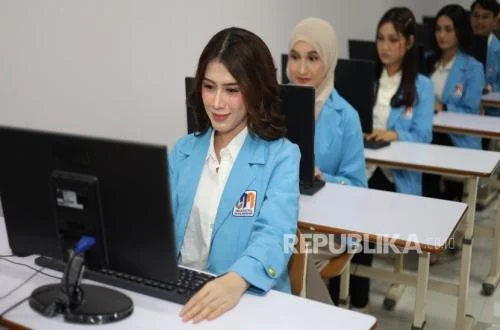
The landscape of global commerce is currently undergoing a radical metamorphosis, driven by the relentless advancement of digital technology. In this era of rapid evolution, the traditional boundaries of industry are being redrawn as companies increasingly pivot toward digital-first strategies. Technologies such as cloud computing, process automation, and artificial intelligence (AI) have transitioned from being optional luxuries to becoming the fundamental pillars of organizational survival and growth. This shift is not merely a technical upgrade but a profound transformation in how business is conducted, products are developed, and decisions are made. As a result, the demand for a new breed of professional—one who can bridge the gap between complex technological systems and strategic business objectives—has reached an all-time high.
The phenomenon of digital transformation has created a significant paradigm shift in the labor market. Modern enterprises are no longer satisfied with graduates who possess only theoretical knowledge. Instead, they are actively seeking "hybrid talents" who can integrate technological tools into the fabric of business operations. This evolving requirement has placed immense pressure on educational institutions to modernize their curricula and ensure that students are equipped with the practical skills necessary to navigate an increasingly digitized economy. The convergence of technology and business strategy is now the primary driver of innovation, efficiency, and competitive advantage in the global marketplace.
The Accelerating Pace of Digital Adoption in Southeast Asia
The urgency of this transformation is particularly visible in Southeast Asia, one of the world’s fastest-growing digital regions. Recent global data indicates that more than 60 percent of companies across the ASEAN bloc are currently in the midst of comprehensive digital transformation initiatives. This surge is fueled by the need to remain competitive in a market characterized by high consumer expectations and a rapidly maturing digital infrastructure. The "e-Conomy SEA" reports published by Google, Temasek, and Bain & Company have consistently highlighted that Indonesia, in particular, is a major engine of this growth, with its digital economy projected to reach hundreds of billions of dollars by the end of the decade.
The shift toward digital maturity is characterized by the adoption of sophisticated tools. Cloud computing allows businesses to scale operations without the massive overhead of physical servers, while Big Data analytics enables companies to predict consumer behavior with unprecedented accuracy. Furthermore, the integration of Artificial Intelligence is revolutionizing customer service through chatbots and optimizing supply chains through predictive modeling. However, the hardware and software are only as effective as the people operating them. This has led to a "digital talent gap," where the pace of technological advancement outstrips the availability of skilled workers capable of managing these new systems.
Academic Responses to Industrial Shifts
Recognizing this critical juncture, Bryan Givan, the Head of Campus at Universitas Nusa Mandiri (UNM) Jatiwaringin, has emphasized that digital transformation is not a burden to be borne solely by the corporate sector. Rather, it represents a strategic opportunity for the academic world to redefine its role in society. Speaking on Sunday, April 19, 2026, Givan noted that the responsibility of preparing the next generation for this digital future starts within the halls of higher education. He argued that students must begin their preparation long before they enter the workforce to ensure they are not just participants in the digital economy, but leaders of it.
According to Givan, the modern student must possess a dual competency. They must understand the technical nuances of how a system operates while simultaneously grasping how that system creates value for a business. "Students who can understand how technology can improve business processes will have a significant added value," Givan stated. He further explained that the ability to apply academic theories to real-world industrial contexts is what differentiates a standard graduate from a high-value professional. This synergy between technical proficiency and business acumen is the cornerstone of what UNM describes as its "Digital Business" philosophy.
Case Study: The UNM Digital Business Curriculum
As an institution branding itself as a "Digital Business Campus," Universitas Nusa Mandiri has structured its academic offerings to align directly with these industrial needs. The university’s approach is divided into specialized programs that target different facets of the digital economy. The Information Systems Program, for instance, is designed to produce architects of digital infrastructure. Students in this track are taught not just how to code, but how to design and manage integrated systems that support complex business processes. They learn the art of data-driven decision-making, ensuring that every technological implementation serves a clear strategic purpose.
Parallel to this, the Digital Business Program focuses on the commercial and managerial aspects of the tech world. This curriculum covers essential modern domains such as digital marketing strategies, technology-based project management, and the development of innovative business models. By focusing on these areas, the university aims to produce graduates who can navigate the nuances of e-commerce, fintech, and digital entrepreneurship. The goal is to foster an environment where innovation is not just a buzzword but a practical skill set that students can use to solve contemporary industrial challenges.
The Evolution of the Digital Workforce Timeline
To understand the current state of digital transformation, it is necessary to look at the timeline of its evolution. The early 2010s were defined by the "Mobile First" era, where businesses focused on establishing a presence on smartphones. By the late 2010s, the focus shifted to "Cloud First," as organizations moved their data and operations to the web. The onset of the 2020s, accelerated by global disruptions such as the COVID-19 pandemic, pushed the world into the "AI and Automation" era.
By 2026, the current year of Givan’s address, the integration of these technologies has become seamless. We are now in a period where "Hyper-Automation" and "Edge Computing" are becoming standard. This timeline shows that the window for adaptation is shrinking. For a student entering university today, the technologies they study in their first year may be significantly upgraded by the time they graduate. This reality necessitates a shift in educational philosophy from rote learning to "learning how to learn." Adaptability, as Givan noted, is the most critical asset for success in the modern era.
Broader Implications for the Global Economy
The implications of this digital shift extend far beyond individual career success. On a macro-economic level, the ability of a nation to supply a digitally-literate workforce determines its standing in the global value chain. Countries that fail to invest in digital education risk being left behind as "digital consumers" rather than "digital producers." Analysts suggest that the digital economy could contribute up to 25 percent of the global GDP by 2030, provided that the talent gap is adequately addressed.
For companies, the stakes are equally high. The transition to digital operations is no longer about saving costs; it is about agility. In a volatile market, the ability to pivot strategies based on real-time data is the difference between thriving and bankruptcy. This organizational agility is only possible when the workforce is comfortable with technology. Therefore, the collaboration between universities like UNM and the industrial sector is a vital component of national economic resilience. By producing graduates who are "agents of change," higher education institutions are effectively future-proofing the economy.
Analysis of the "Skills-First" Hiring Trend
A fact-based analysis of current recruitment trends reveals a move toward "skills-first" hiring. Major tech giants and even traditional manufacturing firms are increasingly de-emphasizing the prestige of a degree in favor of verifiable digital competencies. Certifications in cloud architecture, data science, and AI ethics are becoming as valuable as a traditional diploma.
Universitas Nusa Mandiri’s strategy of integrating these certifications and practical "tools" into their degree programs is a direct response to this trend. By providing students with hands-on experience in digital strategy and system management, the university ensures its graduates meet the specific criteria of modern HR departments. This approach reduces the "onboarding" time for new hires, allowing them to contribute to company goals almost immediately upon employment.
Conclusion: Navigating the Future of Digital Innovation
The digital transformation of the business world is an unstoppable force, driven by the relentless pursuit of efficiency and innovation. As Southeast Asia continues its trajectory toward becoming a global digital powerhouse, the need for integrated talent will only intensify. The insights provided by Bryan Givan and the pedagogical model adopted by Universitas Nusa Mandiri highlight a necessary evolution in the relationship between education and industry.
Ultimately, the success of this transition depends on the ability of the younger generation to embrace technology not just as a tool, but as a mindset. By fostering a culture of continuous learning, adaptability, and strategic thinking, educational institutions are laying the groundwork for a future where technology and humanity work in tandem to solve the world’s most pressing problems. The graduates of today, equipped with the right digital and business competencies, are the innovators who will define the landscape of tomorrow, ensuring sustainable growth and meaningful progress in an ever-changing digital world.