The Paradox of Christmas: Why Some Embrace the Festivities While Others Choose Solitude

The annual celebration of Christmas, intrinsically linked with the warmth of family gatherings and the end-of-year holiday season, is eagerly anticipated by many worldwide. However, for a significant portion of the population, the joyous cacophony of the festive period can paradoxically transform into a source of considerable stress. This aversion stems from a complex interplay of personal reasons, including strained family dynamics, unresolved past traumas, and the pervasive pressure of societal expectations. Furthermore, psychological factors such as social anxiety, mental fatigue, and discomfort in crowded environments contribute to a desire for avoidance. Economic burdens, too, play a role, with the financial strain of travel, gift-giving, and other celebratory expenses adding to the pressure.
This article delves into the multifaceted reasons behind why some individuals, including prominent public figures, opt to distance themselves from traditional Christmas celebrations. It examines the personal narratives and public statements of several celebrities who have openly shared their struggles with the holiday season, offering a glimpse into the less-discussed aspects of this globally recognized festival.
The Weight of Expectation and the Shadow of Loneliness
The societal narrative surrounding Christmas often paints a picture of idyllic family reunions, abundant joy, and unwavering happiness. This idealized portrayal, amplified by media and cultural traditions, can inadvertently create a high-pressure environment for individuals who do not conform to these expectations. The obligation to appear perpetually cheerful, to adhere to specific personal values or beliefs that may differ from family norms, or to participate in long-standing traditions can be overwhelming.
For some, the absence of a harmonious family environment is a primary driver of avoidance. Interpersonal conflicts, unresolved disputes, or a general lack of emotional connection can make the enforced proximity of the holidays a source of dread rather than delight. Past negative experiences, whether personal or observed within the family unit, can cast a long shadow, making the prospect of reliving similar situations unbearable.
Psychological Toll of the Season
Beyond familial and societal pressures, internal psychological states significantly influence one’s experience of Christmas. Social anxiety, a condition characterized by an intense fear of social situations, can make large gatherings and obligatory interactions feel like insurmountable challenges. The need to navigate conversations, maintain social graces, and be constantly "on" can lead to profound exhaustion and a desire for solitude.
Mental fatigue, often exacerbated by the demands of the year leading up to the holidays, can also diminish the capacity to engage with festive activities. The idea of adding further social obligations and emotional labor to an already depleted mental state can be profoundly unappealing. For individuals who are introverted or who simply require periods of quiet reflection, the boisterous nature of many Christmas celebrations can be draining rather than rejuvenating.
Economic Realities and the Holiday Strain
The financial implications of Christmas celebrations cannot be understated. For many, the holiday season represents a significant economic burden. The costs associated with travel to visit family, purchasing gifts for loved ones, decorating homes, and attending festive events can accumulate rapidly. This financial pressure can be particularly acute for individuals with limited incomes or those facing economic instability. The perceived obligation to participate in gift-giving, even when financially strained, can lead to feelings of guilt, inadequacy, and a strong desire to avoid situations where these financial pressures are most evident.
Celebrity Testimonials: Voices of Dissension
Several prominent public figures have bravely shared their personal struggles with the Christmas season, offering a candid perspective that resonates with many who experience similar feelings. Their experiences highlight the diverse reasons for avoiding the festivities and challenge the monolithic perception of Christmas as a universally joyous occasion.
Miley Cyrus: The Loneliness in the Crowd
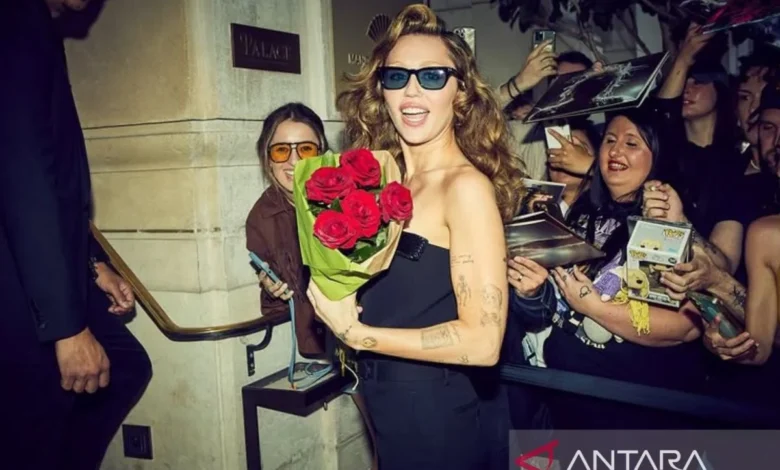
Singer-songwriter Miley Cyrus has been vocal about her complex relationship with Christmas. In 2019, she released the song "My Sad Christmas Song," which openly articulated her feelings of loneliness during the holiday period. Cyrus revealed that despite being surrounded by family and friends, she often experiences a profound sense of isolation. She has also humorously alluded to the tendency for holiday family gatherings to devolve into arguments, followed by apologies.
Her candid remarks, as reported by outlets like the Daily Mail and The Sun, suggest that the festive period can amplify existing feelings of sadness and disconnection for her. Cyrus has described the Christmas and New Year’s period as a time that makes her feel down, even going as far as to label it a "waste of time and money." This sentiment underscores the idea that the external trappings of celebration do not always translate to internal happiness, especially when underlying emotional needs are not met.
Marion Cotillard: A Childhood Rejection of Tradition
French actress Marion Cotillard has spoken about her lack of affinity for the Christmas spirit since her early childhood. Her aversion to the season was so pronounced that it led to conflict with her mother. Cotillard recounted an incident where she refused a Christmas gift, causing significant distress to her mother.
"She was very angry with me because she couldn’t bear to see me among other children who were not getting gifts. And I said, ‘I’m fine, I don’t need anything, I don’t want it’," the Inception star shared in an interview with the Daily Mail. This anecdote illustrates a deep-seated discomfort with the commercial and obligatory aspects of gift-giving, suggesting a more profound rejection of the societal rituals associated with the holiday, even at a young age.
Noel Gallagher: A Scathing Critique of Festivities
Noel Gallagher, the former lead guitarist and songwriter for the iconic band Oasis, is notoriously outspoken about his disdain for Christmas. Ironically, his first name, "Noel," is French for Christmas. Gallagher has described the holiday as "boring" and "pointless," preferring to opt out of traditional activities.
Instead of participating in common Christmas traditions like baking cookies, Gallagher has admitted to indulging in simpler, more solitary pleasures. As reported by Deutsche Welle and The Sun, he would rather consume a large bag of crisps on Christmas Day than engage in what he perceives as tedious festive rituals. "Christmas is a drag. It’s so boring it’s unbelievable," the musician stated, articulating a sentiment that many who find the holiday overhyped and performative might share. His critique highlights a disconnect between the enforced jollity of Christmas and his personal preference for straightforward, unembellished experiences.
Ozzy Osbourne: Confronting Consumption and Discomfort
Rock legend Ozzy Osbourne has openly expressed his strong dislike for Christmas, even recounting extreme measures he took to cope with the holiday during his more turbulent years. The Black Sabbath frontman revealed that he once consumed 28 gallons of alcohol on Christmas Eve to get through the celebration.
Osbourne’s aversion extends beyond personal discomfort to a critique of the rampant consumerism that characterizes the modern Christmas season. "I hate Christmas. It makes me sick. Back in the day when I used to drink myself stupid, I bought a 28-gallon barrel of booze for myself. I drank it all before Christmas Eve," Osbourne said, as quoted by The Sun. His statement reflects a deep-seated unease with the commercialization of the holiday and the pressure to participate in a culture of excessive spending. His personal anecdote, while extreme, underscores the profound negative feelings the season can evoke.
The Broader Implications of Christmas Avoidance
The experiences of these public figures, while individual, are indicative of a wider societal trend. As the world becomes increasingly diverse, with a growing recognition of varying cultural, religious, and personal beliefs, the traditional, monolithic celebration of Christmas is being challenged. The pressure to conform to a single, idealized version of the holidays can be alienating for those who do not fit the mold.
The willingness of individuals like Cyrus, Cotillard, Gallagher, and Osbourne to speak out about their negative experiences with Christmas is a crucial step in fostering a more inclusive and understanding approach to the holiday season. It encourages a dialogue that acknowledges that not everyone experiences Christmas with unadulterated joy and that there are valid reasons for individuals to seek solitude or alternative ways of marking the end of the year.
Moving Towards a More Inclusive Holiday Landscape
The implications of this widespread desire to avoid Christmas extend beyond individual well-being. For businesses and organizations that rely heavily on the holiday season, understanding these sentiments can lead to more nuanced marketing strategies and product offerings. For families, it can prompt conversations about creating traditions that are more inclusive and less prescriptive, allowing for individual needs and preferences to be accommodated.
Ultimately, the paradox of Christmas lies in its potential to both unite and divide. While it remains a cherished time for many, it is also a period that can exacerbate existing anxieties and discomforts for others. Recognizing and respecting these divergent experiences is essential for fostering a society that celebrates diversity not just in its people, but also in its traditions and expressions of joy. The willingness of public figures to share their less-than-festive feelings helps to normalize these experiences, paving the way for a more empathetic and understanding approach to the holiday season for everyone.