The Digital Frontlines: Memes Erupt as Spain and Argentina Prepare for the 2026 World Cup Final

Jakarta, July 19, 2026 – As the highly anticipated 2026 FIFA World Cup final between Spain and Argentina draws near, social media platforms, particularly X (formerly Twitter), have become a vibrant battleground for humor and rivalry, with a plethora of memes circulating globally. A significant portion of these digital jests has been aimed squarely at fans of Cristiano Ronaldo and supporters of Spanish giants Real Madrid, adding an extra layer of narrative to the already electric atmosphere surrounding football’s pinnacle event. The proliferation of these memes underscores the evolving nature of fan engagement, where digital content plays a crucial role in amplifying excitement, rivalries, and shared experiences in the lead-up to major sporting spectacles.
The Road to the Grand Finale: A Tournament of Twists and Triumphs
The 2026 FIFA World Cup, co-hosted across North America, has been a tournament of unprecedented scale and drama, featuring an expanded format that brought more nations into the global spotlight. Both Spain and Argentina navigated grueling group stages and intense knockout rounds to earn their places in the final, set to be held in the iconic MetLife Stadium.
Spain’s journey to the final has been characterized by a blend of youthful exuberance and tactical brilliance. Under the astute guidance of their national coach, La Roja showcased a dynamic, possession-based style that culminated in a series of impressive victories. Key to their success has been the emergence of prodigious talents like Lamine Yamal, whose electrifying performances on the wing captivated audiences and dismantled opposing defenses. Yamal, a product of Barcelona’s famed La Masia academy, has been instrumental in Spain’s attacking prowess, scoring crucial goals and providing vital assists throughout the tournament. Their semi-final clash, a thrilling encounter against a formidable European rival, saw them overcome adversity with a late surge, securing their spot in the final with a display of sheer determination and skill.
Argentina, the reigning champions from 2022, embarked on their quest for a historic second consecutive World Cup title with immense pressure and expectation. Led by the evergreen Lionel Messi, who, at 39, continues to defy expectations, La Albiceleste demonstrated resilience and flashes of individual brilliance. Messi’s unparalleled vision and execution, even in the twilight of his illustrious career, remained a central force, inspiring his teammates and thrilling millions. Argentina’s path to the final was marked by gritty performances, often coming from behind, and a semi-final victory against a South American powerhouse that was decided in a dramatic penalty shootout, showcasing their mental fortitude and champion’s spirit. Their defensive solidity, combined with opportunistic attacks, proved to be a winning formula once again.
The final between these two footballing titans represents a clash of styles: Spain’s fluid, technical football against Argentina’s passionate, individual-driven brilliance. The stakes are monumental, with Spain aiming for their second World Cup title and Argentina seeking to solidify their dynasty by defending their crown.
The Digital Deluge: Memes as a Mirror of Fan Sentiment
As the final whistle of the semi-finals blew, signaling the ultimate matchup, the internet exploded with creative content. Memes, a ubiquitous form of digital expression, quickly became the primary vehicle for fans to channel their excitement, anxiety, and, most notably, their long-standing rivalries. The focus on Cristiano Ronaldo and Real Madrid fans was particularly pronounced, reflecting the deep-seated club rivalry between Real Madrid and FC Barcelona, which often spills over into international football narratives.
Several prominent meme themes emerged, painting a vivid picture of the pre-final atmosphere:
-
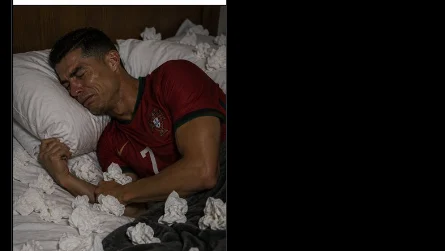
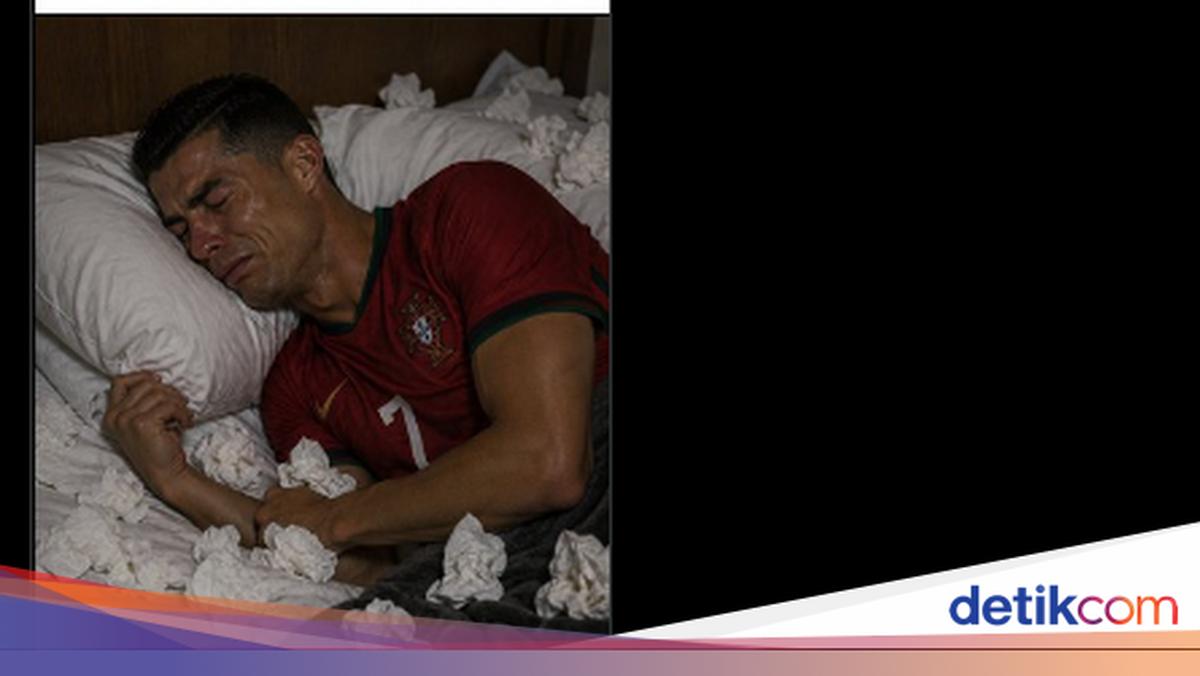
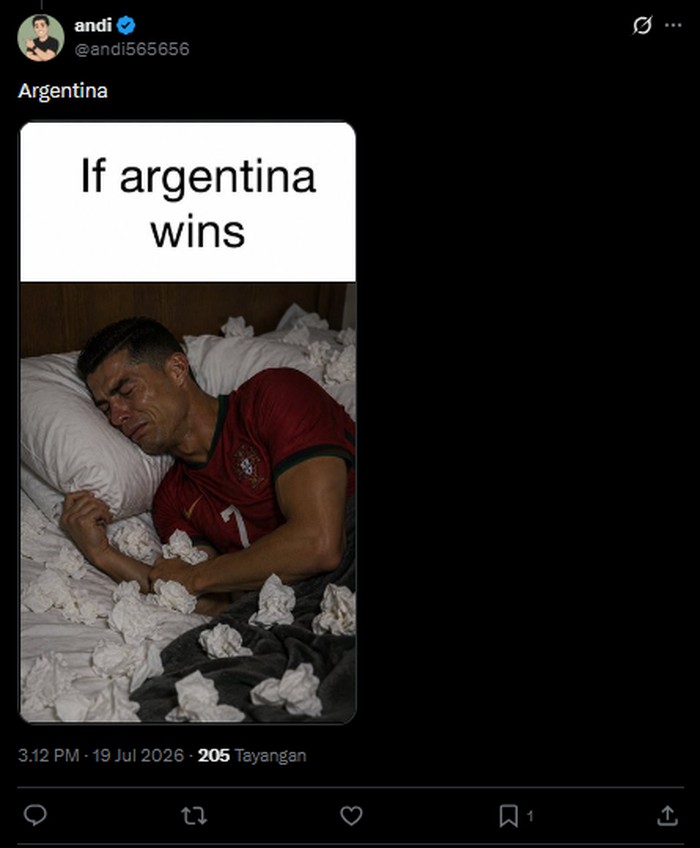
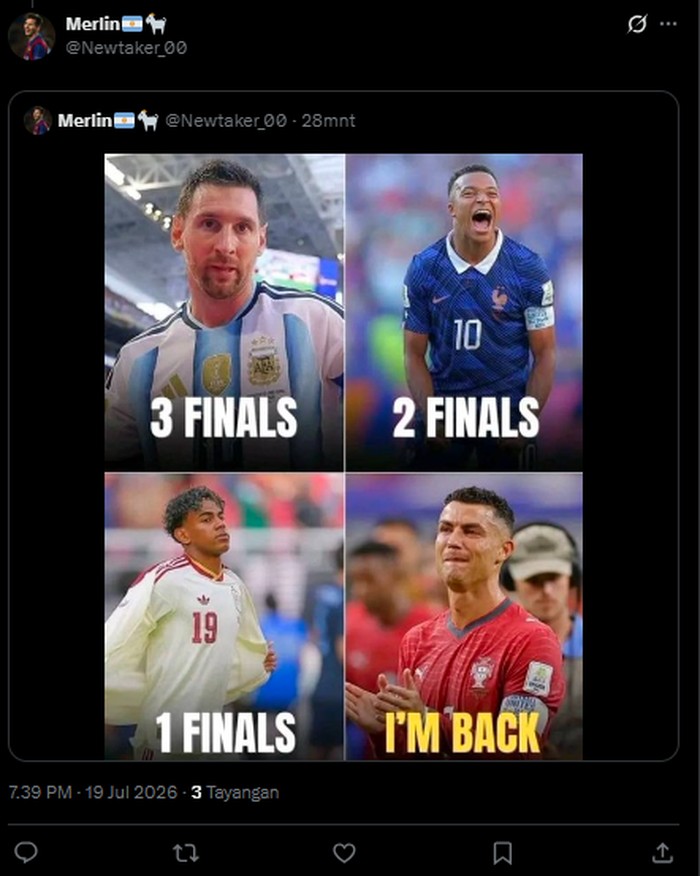
The Ronaldo Reaction: One recurring meme depicted a forlorn Cristiano Ronaldo, often with an exaggerated look of despair or frustration, accompanied by captions speculating on his reaction should Argentina, and by extension, Lionel Messi, lift the World Cup trophy for a second time. This narrative plays directly into the enduring "Greatest of All Time" (GOAT) debate between the two legends, suggesting that another World Cup title for Messi would definitively tip the scales in his favor, much to the chagrin of Ronaldo’s staunch supporters. The imagery, often humorous in its over-the-top portrayal, highlights the personal stakes fans associate with their idols.
-
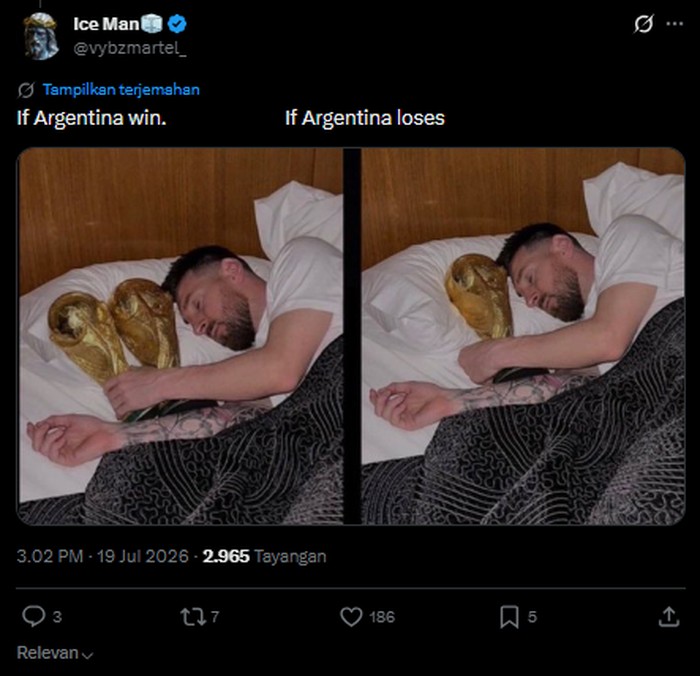
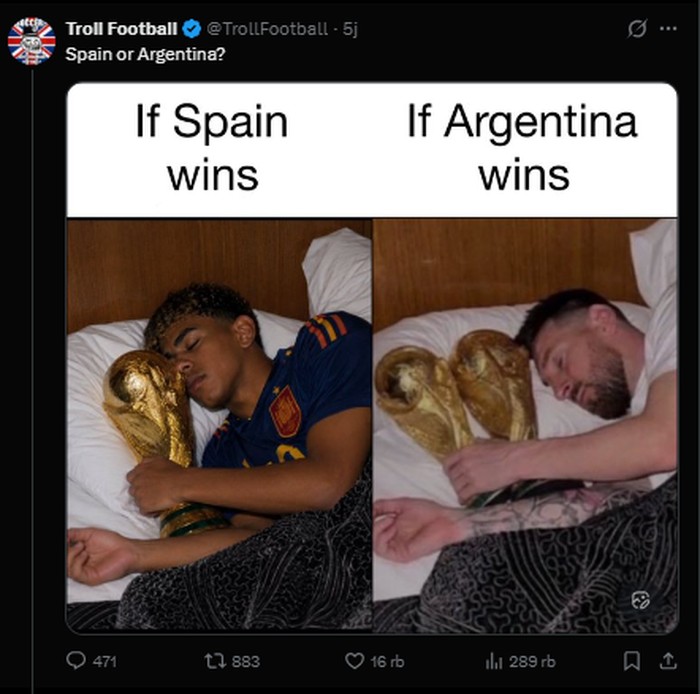
Messi’s Double Crown: Conversely, memes celebrating Lionel Messi’s potential second World Cup triumph were abundant. Images showed Messi with two World Cup trophies, signifying an unprecedented achievement in modern football and further cementing his legacy. These memes often came with triumphant captions, forecasting a celebratory parade and an undeniable claim to the GOAT title. The sentiment among Argentina fans and Messi loyalists was one of immense pride and anticipation for a historic moment.
-
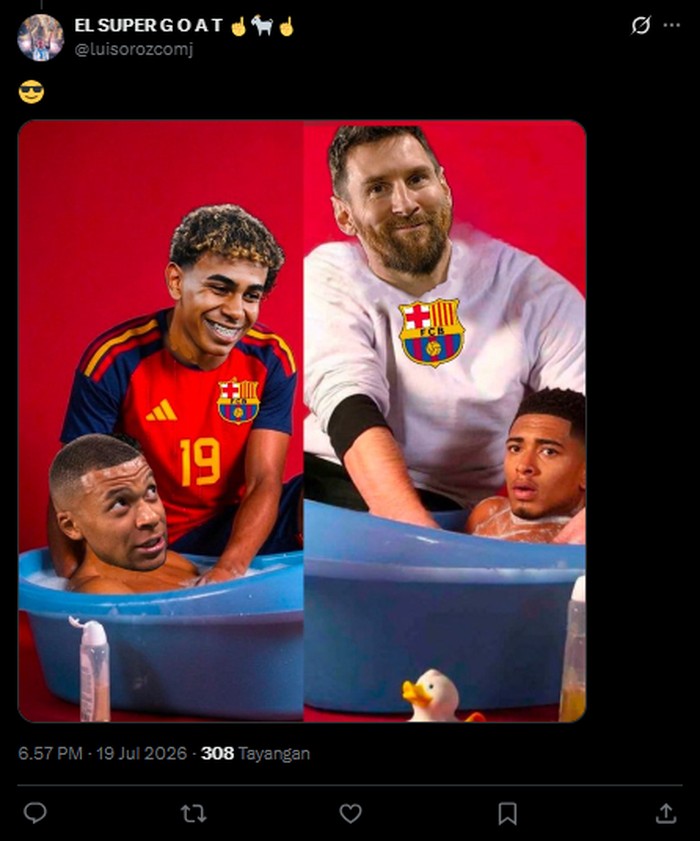
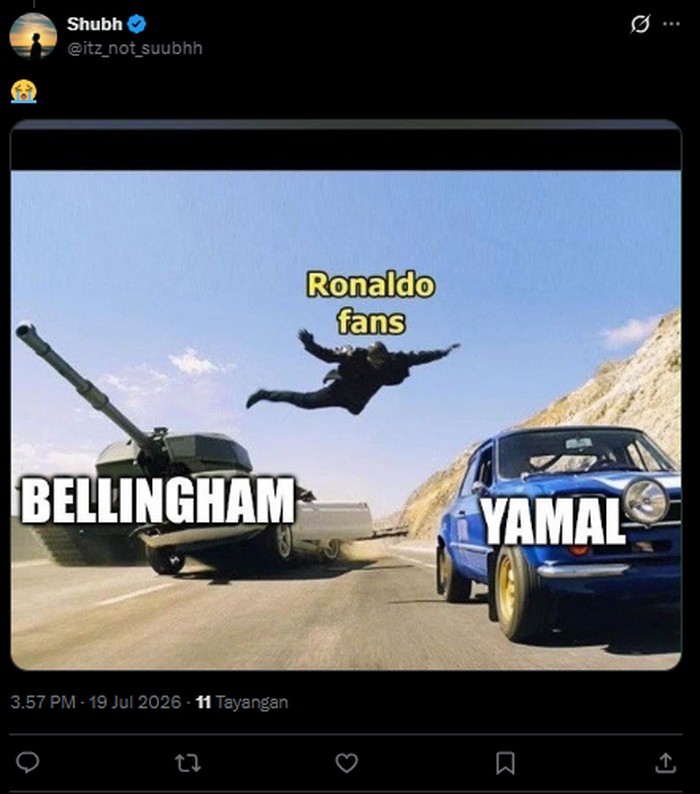
Spain’s Ascent and the Barcelona vs. Real Madrid Subplot: The success of Spain brought another layer to the meme war, intricately linking it to the El Clásico rivalry. Memes frequently pitted Barcelona’s rising star Lamine Yamal against Real Madrid’s marquee signing, Kylian Mbappé, and even Lionel Messi (a former Barcelona icon) against Real Madrid’s Jude Bellingham. The narrative suggested that Barcelona-affiliated players were outshining their Real Madrid counterparts on the grandest stage, leading to a sense of vindication for Barça fans. One meme explicitly showed Yamal "defeating" Mbappé and Messi "defeating" Bellingham, playing on the idea of individual player performances translating into club bragging rights.
-
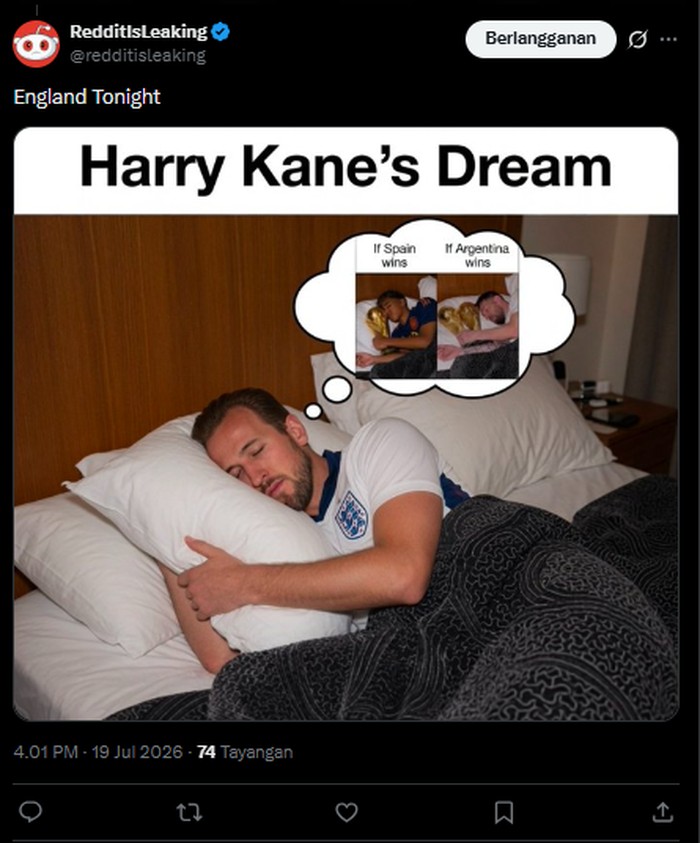
Harry Kane’s Perpetual Hope: A humorous meme depicted England’s Harry Kane dreaming of either Spain or Argentina winning the World Cup, a wry commentary on England’s perennial struggle to win major international tournaments despite often being considered contenders. This meme resonated with neutral fans and those who enjoy good-natured teasing of other national teams.
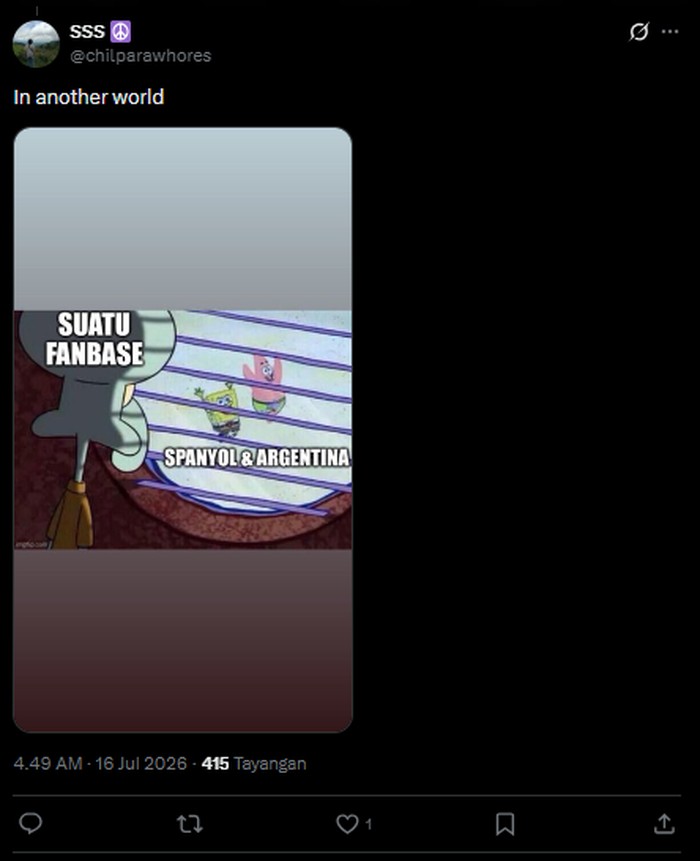
-
The Shifting Allegiance of Ronaldo Fans: A particularly sharp meme observed the hypothetical tactical shift of Ronaldo’s fanbase. It suggested that after their preferred players (like Bellingham, a Real Madrid player) were eliminated from the tournament, Ronaldo fans would now "transfer" their support to Lamine Yamal (a Barcelona player) in the hope that Yamal could prevent Messi and Argentina from winning. This meme brilliantly satirized the often-opportunistic nature of some fan bases, prioritizing the defeat of a rival over consistent team loyalty.
-
The World United for Spain (Against Argentina): Another prevalent theme suggested that "the world currently supports Spain" in their bid to defeat Argentina. This sentiment likely stems from various factors: a desire for a new champion, a preference for Spain’s playing style, or a counter-narrative against Argentina potentially winning back-to-back titles. It also indirectly fuels the rivalry, portraying Argentina as the team everyone else wants to see dethroned.
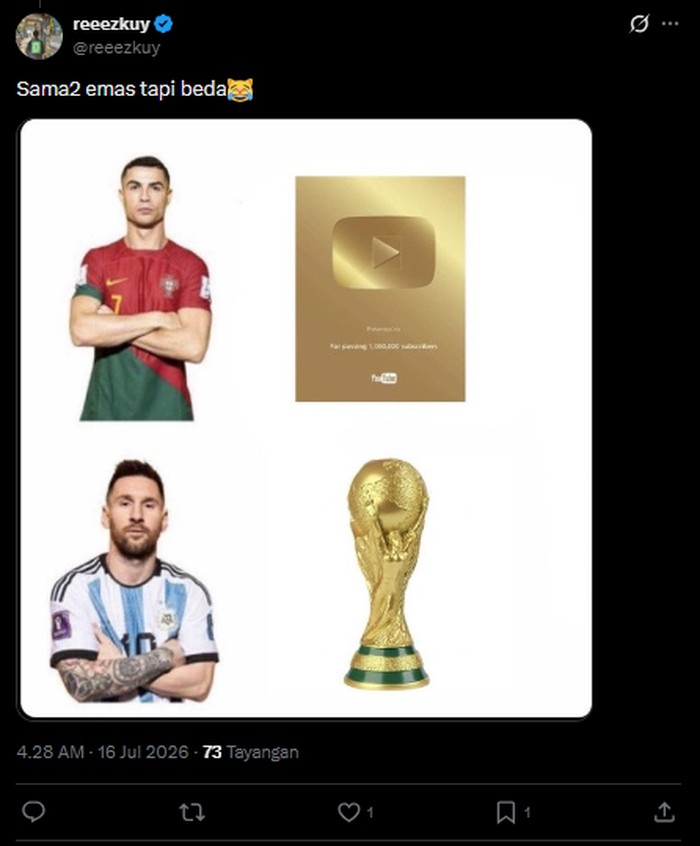
-
Barcelona Fans in Disarray: A humorous meme portrayed Barcelona fans as "confused" about who to support. While Spain features several Barcelona players (like Yamal), Argentina has their legendary former captain, Lionel Messi. This dilemma captured the complex loyalties of club fans when their beloved players are spread across different national teams, especially when those teams face each other.
-
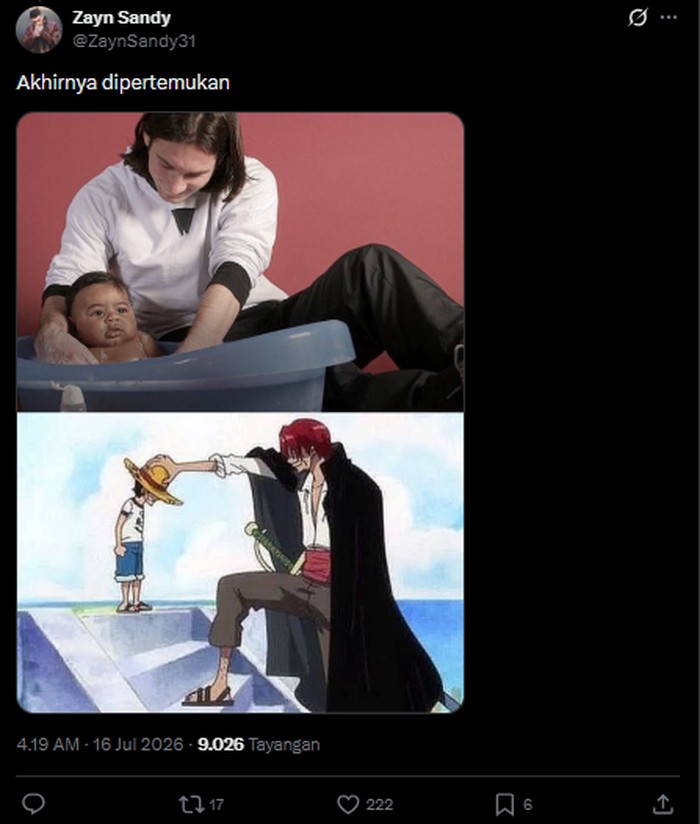
The Anime Crossover: A creative meme drew a parallel between Messi and Yamal (depicted as younger versions) to Shanks and young Luffy from the popular anime One Piece. This crossover highlighted the passing of the torch or the mentorship dynamic, portraying Messi as the seasoned veteran passing wisdom to the promising youngster, adding a layer of cultural relevance beyond just football.
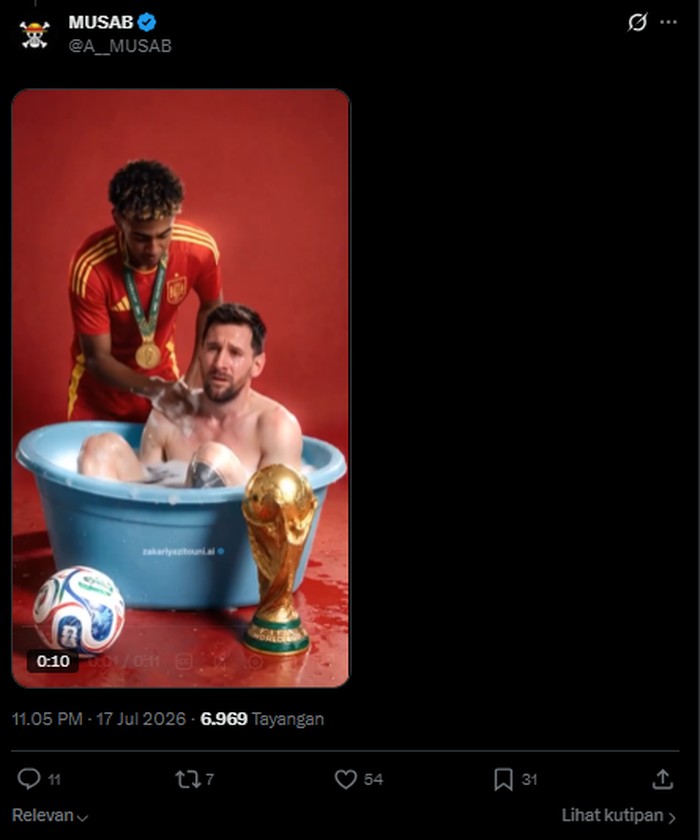
These memes, primarily shared on platforms like X.com, quickly garnered hundreds of thousands of likes, shares, and comments, becoming an integral part of the pre-final dialogue. They reflect not just the humor of the internet, but also the deep passion, complex loyalties, and rich narratives that underpin global football fandom.
The Enduring Rivalry: Messi vs. Ronaldo, Barcelona vs. Real Madrid
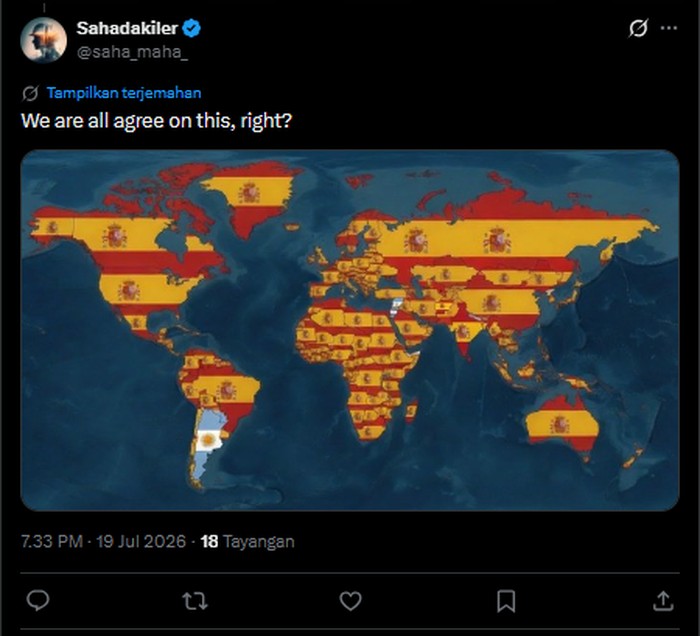
The intensity of these memes can largely be attributed to the unparalleled rivalry between Lionel Messi and Cristiano Ronaldo, a saga that has dominated football for over a decade. Their individual battle for records, accolades, and the title of "greatest ever" has transcended club and national boundaries, creating a binary choice for millions of fans. Ronaldo fans, deeply invested in their idol’s legacy, often view Messi’s success as a direct challenge to Ronaldo’s standing, and vice-versa.
This personal rivalry is inextricably linked to the institutional rivalry between FC Barcelona and Real Madrid. For years, Messi led Barcelona while Ronaldo spearheaded Real Madrid, turning their encounters into epic clashes that defined an era. Even with both players having moved on from those clubs, the emotional attachment and the "us vs. them" mentality persist. When players associated with these clubs—like Yamal from Barcelona or Bellingham and Mbappé from Real Madrid—feature prominently in a World Cup final, these club loyalties are re-ignited on the international stage, providing fertile ground for meme creators. The perceived "victory" of a Barcelona-affiliated player over a Real Madrid player in the context of the World Cup becomes a surrogate battle for club supremacy.
Analysis: Implications of Meme Culture in Sports
The widespread proliferation of memes ahead of the 2026 World Cup final offers several insights into modern sports fandom and digital culture:
- Amplified Fan Engagement: Memes serve as powerful tools for fan engagement, allowing millions to participate in the pre-match hype beyond simply discussing tactics or predictions. They create a sense of community, allowing fans to share laughter, commiserate, or express their allegiances in a lighthearted, relatable format. This engagement extends the reach of the event beyond traditional sports media.
- Narrative Shaping and Counter-Narratives: Memes contribute significantly to the unofficial narrative surrounding a sporting event. They can highlight specific player performances, amplify rivalries, or even create entirely new storylines (like the "Ronaldo fans switching allegiance"). This unofficial commentary often runs parallel to, and sometimes influences, mainstream sports journalism.
- Emotional Release and Bonding: For fans, creating and sharing memes can be a form of emotional release, a way to cope with pre-match nerves, celebrate successes, or playfully mock rivals. It fosters a sense of collective identity and belonging within specific fan communities.
- Global Reach and Cultural Relevance: The universal language of humor, combined with the global reach of social media, means that memes can quickly cross borders and resonate with diverse audiences. The incorporation of popular culture references, such as the One Piece analogy, further broadens their appeal and demonstrates the intermingling of different cultural phenomena.
- Commercial Implications (Indirect): While not directly tied to advertising in this instance, the massive engagement generated by these memes indirectly benefits the broader ecosystem of the World Cup. Increased discussion means increased visibility, which can translate into higher viewership and greater commercial interest in the sport itself.
Social media analysts suggest that these meme wars are not merely frivolous online banter but a significant component of contemporary sports culture. "The internet has democratized sports commentary, allowing every fan to be a pundit and a satirist," notes Dr. Anya Sharma, a digital culture expert. "These memes are a testament to the passionate, often tribal, nature of football fandom, where humor becomes a weapon in the psychological warfare leading up to a monumental clash."
Looking Ahead: The Final Showdown
As July 19, 2026, progresses, the digital landscape will undoubtedly continue to churn with more memes, predictions, and fervent discussions. Regardless of the outcome of the Spain vs. Argentina final, the event has already etched itself into the annals of World Cup history, not just for the on-field heroics but for the vibrant, often hilarious, digital narratives that preceded it. The final whistle will determine the champion, but the memes have already declared a victor in the battle for online engagement and humor, proving that in the modern era, the beautiful game is played as much on the screens as it is on the pitch. The world watches, laughs, and waits to see which nation will ultimately lift the most coveted trophy in football.
Related posts: