The significant tax burden imposed on new vehicles in Indonesia is causing potential buyers to hesitate, with taxes sometimes accounting for as much as 40% of a car’s price, a figure that deters many from purchasing, according to industry experts. This substantial tax structure is identified as a key factor contributing to the decline in new car sales over recent years, impacting the nation’s once-booming automotive market.
The Indonesian automotive industry, a significant contributor to the national economy and employment, is grappling with a complex web of taxation that experts argue is stifling consumer demand. The Association of Indonesian Automotive Manufacturers (Gaikindo) has highlighted that the total tax components for new cars can reach a staggering 40% of the vehicle’s base price. For higher-end or luxury models, this percentage can even exceed the stated average, making new car ownership an increasingly inaccessible aspiration for a large segment of the Indonesian population.
Kukuh Kumara, Secretary General of Gaikindo, elaborated on the issue in a recent interview. "It has an impact (on car sales)," Kumara stated. "If we look at ASEAN, Indonesia is the largest market for four-wheeled or more vehicles. We have a population of 280 million, which is perhaps half of ASEAN’s population of around 600 million." This comparison underscores the missed opportunity for growth, given Indonesia’s substantial population base. The sheer volume of potential buyers, coupled with the high cost of acquisition due to taxes, creates a significant disconnect between market potential and actual sales figures.
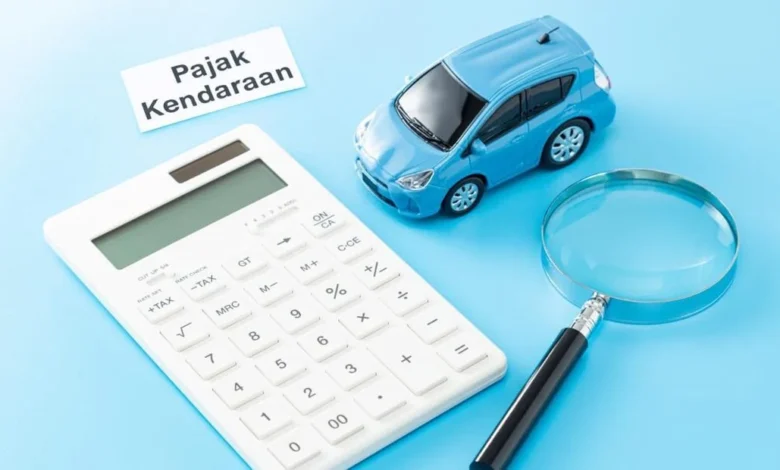
The intricate taxation system involves at least seven distinct components levied on the purchase of a new car. These include the Motor Vehicle Tax (PKB), Motor Vehicle Name Transfer Fee (BBNKB), and Luxury Goods Sales Tax (PPnBM), each with varying rates that collectively inflate the final price. Understanding these individual components is crucial to grasping the full extent of the financial burden on consumers.
Breakdown of New Car Taxation Components in Indonesia
-
Motor Vehicle Tax (PKB)
The Motor Vehicle Tax (PKB) is a provincial tax levied on the ownership and/or possession of motor vehicles. The rates for PKB vary depending on the province. According to Law No. 1 of 2022, the maximum tariff for PKB on first-time ownership has been capped at 1.2%. This represents a reduction from the previous law, which allowed a maximum rate of 2% for first-time ownership. However, in Jakarta, the PKB rate for privately owned vehicles remains at 2% for the first ownership. For subsequent vehicle ownerships (fifth and beyond), the PKB can reach up to 6%. For vehicles registered under corporate names, the rate is consistently 2%. This provincial variation means that tax liabilities can differ significantly based on the buyer’s location within Indonesia. -
Motor Vehicle Name Transfer Fee (BBNKB)
The Motor Vehicle Name Transfer Fee (BBNKB) is essentially a tax on the transfer of motor vehicle ownership. This transfer occurs due to various transactions, including sales, exchanges, gifts, inheritance, or contributions to businesses. Under Law No. 1 of 2022, the maximum BBNKB rate is set at 12%. However, for regions equivalent to provinces that are not divided into regencies or cities, the maximum BBNKB rate can be as high as 20%. This fee is paid when the ownership of the vehicle changes hands, typically at the point of initial registration for a new car. -
Value Added Tax (PPN)
Value Added Tax (PPN), equivalent to Goods and Services Tax (GST) or sales tax in other countries, is applied to most goods and services, including motor vehicles. Currently, passenger cars are subject to a PPN rate of 11% (as of April 1, 2022, following a legislative change to increase the standard rate from 10%). The rationale for applying PPN to vehicles, especially those considered luxury items, is consistent with its application to other high-value goods and services. The adjustment of PPN rates often reflects government policy on luxury consumption and revenue generation. -
Luxury Goods Sales Tax (PPnBM)
The Luxury Goods Sales Tax (PPnBM) is specifically levied on items deemed to be luxury goods. Automobiles are a primary category for PPnBM in Indonesia, with almost all types of cars subject to this tax, albeit at different rates depending on engine capacity, fuel efficiency, and the price bracket of the vehicle. For motorcycles, PPnBM is only applied to those with engine capacities exceeding 250cc. This tax directly contributes to the significant price increase of new vehicles, particularly those with larger engines or higher specifications. -
Administrative Fees (STNK, TNKB, BPKB, and SWDKLLJ)
Beyond direct taxes, consumers also incur various administrative fees associated with vehicle registration and ownership. These include fees for the Registration Certificate (STNK), Vehicle Registration Number Plates (TNKB), Vehicle Ownership Certificate (BPKB), and the Compulsory National Accident Fund Contribution (SWDKLLJ). These fees are stipulated by Government Regulation No. 76 of 2020 regarding Types and Tariffs of Non-Tax State Revenue. SWDKLLJ, in particular, is collected by Jasa Raharja and is a mandatory contribution for all vehicle owners, paid periodically at the Samsat (vehicle tax payment center) during registration or renewal of the STNK. While not taxes in the strictest sense, these fees add to the overall acquisition cost. -
PKB Surcharge (Opsen PKB)
Beginning in January 2025, an additional surcharge, known as "Opsen PKB," will be imposed on vehicles. This surcharge is levied by regencies/cities on the principal Motor Vehicle Tax (PKB) amount, as stipulated by prevailing laws. Essentially, Opsen Pajak Daerah (Regional Tax Surcharges) are designed to replace the revenue-sharing mechanism for provincial taxes (PKB and BBNKB) with regencies/cities. The aim is to ensure that when taxpayers pay provincial taxes for PKB and BBNKB to the provincial government, the regency/city’s share of these provincial taxes is immediately received by the local government. Law No. 1 of 2022 on Fiscal Relations between the Central and Regional Governments, specifically Article 83, sets the tariff for Opsen PKB at 66% of the principal PKB amount. This means that for every Rupiah of PKB owed, an additional 66% will be collected by the local government. -
BBNKB Surcharge (Opsen BBNKB)
Similarly, an "Opsen BBNKB" surcharge will be applied to the Motor Vehicle Name Transfer Fee (BBNKB). This surcharge is also levied by regencies/cities on the principal BBNKB amount. Like Opsen PKB, Opsen BBNKB is set at 66% of the principal BBNKB owed. This surcharge is calculated by multiplying the 66% tariff by the total BBNKB due. The introduction of these surcharges signifies a shift in revenue collection and distribution mechanisms between provincial and local governments, potentially leading to a further increase in the overall cost of vehicle ownership.
Cumulative Impact and Industry Concerns
The cumulative effect of these seven components can indeed push the total tax burden to approximately 40% of the vehicle’s ex-factory price. Kukuh Kumara provided a simplified example: "Simply put, for example, if a car (Car A) leaves the factory with a price of IDR 100 million, but to buy it, one has to pay IDR 150 million, the total payment is IDR 150 million, meaning IDR 50 million is tax." This stark illustration highlights how the consumer ultimately bears the brunt of the multifaceted tax structure.
Comparatively, Indonesia’s vehicle taxes are significantly higher than those in other ASEAN nations for identical models. Kumara pointed out, "For the same vehicle (e.g., Avanza) exported to Malaysia, their annual tax is around IDR 600,000, and in Thailand, it’s IDR 150,000, in Rupiah equivalent." This disparity raises questions about the competitiveness of the Indonesian automotive market and its impact on affordability for the average citizen.
The implications of this high tax regime extend beyond individual purchasing decisions. The sustained decline in new car sales has a ripple effect throughout the entire automotive ecosystem. This includes manufacturers, dealerships, component suppliers, after-sales service providers, and a vast network of ancillary businesses. The automotive industry in Indonesia is a significant employer, with an estimated 1.5 million people directly and indirectly involved in its operations. A slowdown in sales translates to reduced production, potential job losses, and a dampening effect on economic growth.
Calls for Re-evaluation and Potential Solutions
Gaikindo, through representatives like Kukuh Kumara, has repeatedly called for a re-evaluation of the new car tax system by the government. The argument is that a more competitive and affordable tax structure could significantly boost car sales, thereby revitalizing the automotive industry. "More cars mean more workshops, more suppliers, and more jobs," Kumara emphasized. "If more people are employed in formal jobs with fixed salaries, they will pay taxes, so there’s no need to worry about tax revenue not coming in." This perspective suggests a virtuous cycle: lower taxes lead to higher sales, which in turn drives employment and ultimately increases tax revenue through income and consumption taxes from a more robust economy.
The current tax structure, while a source of government revenue, is seen by industry stakeholders as a double-edged sword. It generates income but simultaneously stifles the very industry that provides jobs and contributes to economic activity. The long-term sustainability of the Indonesian automotive sector hinges on finding a balance between fiscal objectives and market dynamics.
Background and Broader Context
Indonesia has historically been a significant automotive market in Southeast Asia, driven by a large and growing middle class. The nation’s strategic importance in the region’s automotive supply chain has attracted substantial foreign investment over the decades. However, recent economic shifts, coupled with policy-related factors like taxation, have presented challenges. The government’s focus on revenue generation, particularly post-pandemic, has likely contributed to the maintenance or even increase of certain tax rates.
The Law No. 1 of 2022 on Fiscal Relations between the Central and Regional Governments represents a significant legislative overhaul aimed at redistributing fiscal authority and revenue streams. While introducing new mechanisms like surcharges (Opsen), its ultimate impact on the affordability of goods like vehicles requires careful monitoring. The stated intention of Opsen is to streamline revenue collection for local governments, but its direct application to vehicle taxes adds another layer of cost for consumers.
Analysis of Implications
The high taxation on new cars in Indonesia has several far-reaching implications:
- Affordability Gap: It widens the gap between the aspiration of car ownership and the financial reality for many Indonesians. This can lead to a greater reliance on public transportation or older, potentially less safe and more polluting, second-hand vehicles.
- Second-Hand Market Boom: Conversely, high new car prices can fuel demand in the used car market. While this benefits some consumers and businesses, it can also lead to an aging vehicle fleet, potentially exacerbating environmental concerns and road safety issues.
- Reduced Competitiveness: As highlighted by Gaikindo, Indonesia’s tax burden makes its vehicles less competitive compared to neighboring countries. This can deter foreign manufacturers from expanding their operations or even maintaining current production levels if local demand remains sluggish.
- Impact on Related Industries: The slowdown in vehicle sales has a cascading effect on industries such as spare parts, maintenance, car insurance, and financing. A healthy automotive sector stimulates growth across numerous related economic activities.
- Government Revenue vs. Economic Growth: There is an inherent tension between the government’s need for revenue and its objective of fostering economic growth. The current tax policy appears to prioritize immediate revenue generation, potentially at the expense of long-term industrial development and job creation.
Official Responses and Future Outlook
While Gaikindo has been vocal in its concerns, official responses from government bodies regarding potential tax reforms have been cautious. The Ministry of Finance and other relevant agencies are responsible for setting tax policy, and any significant changes would require thorough economic analysis and political consensus. The introduction of Opsen PKB and Opsen BBNKB, scheduled for 2025, indicates a direction towards local government revenue enhancement, which may not align with the industry’s desire for tax reduction.
However, the government also recognizes the importance of the automotive sector to the national economy. Future policy decisions will likely involve a delicate balancing act. Potential avenues for reform could include:
- Tiered Taxation: Implementing a more progressive tax system where taxes are more steeply graduated based on vehicle price, luxury features, or environmental impact, rather than a broad-brush approach.
- Incentives for Local Production: Offering tax incentives for vehicles manufactured domestically that meet certain local content requirements or environmental standards.
- Phased Reduction: Gradually reducing specific tax components over a period to allow the market to adjust and for consumers to benefit from incremental price decreases.
- Focus on Emission Standards: Shifting the tax focus towards incentivizing the purchase of cleaner, more fuel-efficient vehicles, including electric vehicles (EVs), through targeted tax breaks.
The trajectory of Indonesia’s automotive market in the coming years will largely depend on the government’s willingness and ability to address the deeply ingrained issue of high vehicle taxation. Without significant policy adjustments, the industry risks continued stagnation, underscoring the urgent need for a comprehensive review and reform of the tax structure to foster growth, create jobs, and make car ownership more accessible to the Indonesian populace.
(dry/rgr)