South Korean Horror Hit Salmokji Whispering Water Triggers Surge in Dark Tourism as Fans Flock to Haunted Reservoir Site

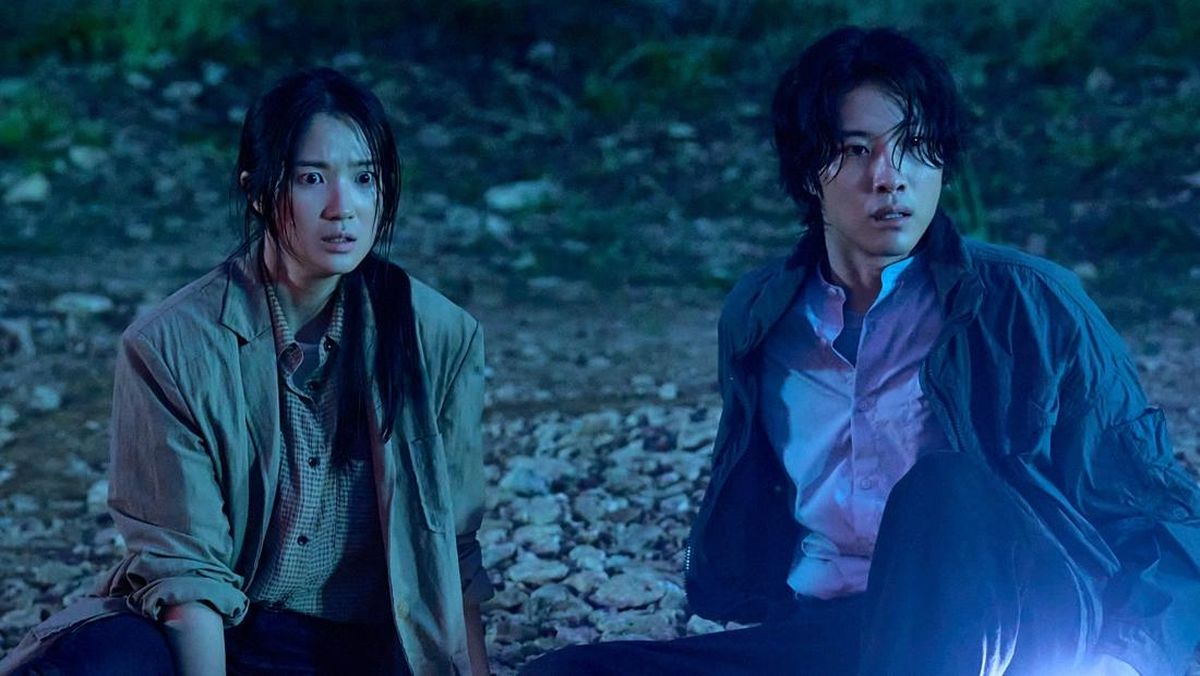
The South Korean cinematic landscape has been gripped by a chilling new phenomenon following the release of the horror film Salmokji: Whispering Water. While the film has dominated the box office and sparked intense discussions on social media, its impact has transcended the silver screen, leading to a massive surge in visitors to the real-life location that inspired the story. The Salmokji Reservoir, located in the quiet rural district of Yesan in South Chungcheong Province, has transformed overnight from a local irrigation site into a premier destination for "dark tourism" and "courage testing." This surge in interest has raised concerns among local authorities and residents as hundreds of thrill-seekers descend upon the remote area during the early hours of the morning, hoping to experience the supernatural occurrences depicted in the movie.
Salmokji: Whispering Water centers on the deep-seated urban legends surrounding the reservoir, weaving a narrative of water spirits, unresolved trauma, and the thin veil between the living and the dead. The film’s success is largely attributed to its use of a real, accessible location, which has prompted fans to verify the "haunted" reputation of the site for themselves. As social media platforms like TikTok, Instagram, and YouTube become flooded with footage of late-night excursions to the reservoir, the line between cinematic fiction and local folklore continues to blur, creating a cultural moment that is as much about digital virality as it is about traditional horror.
The Historical and Mythological Roots of Salmokji
To understand the current hysteria, one must look at the history of the Salmokji Reservoir. Built in 1982, the reservoir was originally a standard civil engineering project designed to provide a consistent water supply for the surrounding agricultural plains of Yesan. For decades, it served its purpose quietly, known only to local farmers and the occasional clandestine fisherman. However, within the South Korean occult community, the site began to develop a sinister reputation. Rumors of strange mists, unexplained electronic interference, and sightings of "Mul-gwishin" (water ghosts) began to circulate in niche paranormal forums.
The reservoir’s transition from a local secret to a national legend began in earnest in 2021, when it was featured on the popular MBC program "Midnight Horror Story." The show, which features celebrities reading eerie accounts submitted by viewers, shared a particularly harrowing story from a woman who claimed to have been led to the reservoir by a malfunctioning GPS. A self-described skeptic with a background in physics, the woman recounted how her car’s navigation system seemingly took control, directing her toward the water’s edge in the middle of the night. She claimed that after narrowly avoiding a fatal plunge into the depths, she was plagued by a string of misfortunes that she attributed to the "energy" of the site. This broadcast laid the groundwork for the reservoir’s reputation, providing a modern, technological twist to ancient fears of water spirits.
Director Lee Sang-min and the Concept of Liminal Spaces
The creative force behind the film, Director Lee Sang-min, was deeply influenced by these accounts when developing the script for Salmokji: Whispering Water. In press statements, Lee revealed that his initial goal was to create a quintessential Korean water-based horror film. "When I began researching urban legends involving water, the stories of Salmokji were unavoidable," Lee explained. "The site has a unique visual and atmospheric quality that is difficult to replicate on a soundstage. It exists as what we call a ‘liminal space’—a place that feels like a threshold between two states of being."
During the location scouting phase, Lee was struck by the eerie natural beauty of the reservoir. He described the sight of trees growing directly out of the water—partially submerged and skeletal—as a visual metaphor for the spirits that supposedly inhabit the depths. The persistent fog that rolls off the surrounding mountains and settles on the water’s surface added to the sense of isolation. "It feels as though the water is trying to pull you in," Lee remarked. This aesthetic choice is central to the film’s narrative, which focuses on characters who are drawn to the reservoir by their own internal demons—guilt, revenge, and obsession—only to find that the water reflects their darkest impulses back at them.
Supernatural Occurrences During Production
The mystique of the film has been further bolstered by reports from the cast and crew regarding unexplained events during the shooting process. Production in remote areas of South Chungcheong Province is notoriously difficult due to the terrain, but the crew reported issues that defied logical explanation. Director Lee noted that the area is a "dead zone" for cellular signals, yet multiple crew members reported hearing clear dial tones or rhythmic tapping coming from audio equipment that was not connected to any network.
Perhaps most chilling were the testimonies of crew members who claimed to have seen the apparitions of children near the stone towers (doltap) that dot the landscape around the reservoir. In Korean tradition, these towers are often built as a form of prayer or to appease spirits. The sighting of "child ghosts" aligns with local folklore regarding the reservoir, adding an extra layer of dread to the production. These behind-the-scenes stories, whether perceived as genuine paranormal activity or the result of high-stress environments, have been utilized effectively in the film’s marketing, fueling the public’s desire to visit the site.
The Rise of Dark Tourism and Social Media Virality
The phenomenon surrounding Salmokji is indicative of a broader trend in South Korea known as "dark tourism," where travelers seek out locations associated with death, tragedy, or the supernatural. This trend was previously seen with the Gonjiam Psychiatric Hospital, which became a global sensation following a 2018 found-footage horror film. Like Gonjiam, Salmokji offers a tangible connection to a fictionalized horror, allowing fans to step into the world of the movie.
Social media has played a pivotal role in this surge. Bloggers and "vloggers" have documented their journeys to Yesan, often filming their experiences in the dead of night. One prominent blogger noted that their mobile phone and internet connection ceased to function as they approached the reservoir, a common occurrence attributed to the mountainous terrain but interpreted by many as a supernatural interference. These "courage tests" (uji nyali) have become a rite of passage for young Koreans, who share their "proof" of visiting the site via short-form videos, further driving the location’s viral status.
Safety Concerns and Local Implications
While the influx of visitors has brought a temporary spotlight to Yesan, it has also created significant challenges for the local community and authorities. The Salmokji Reservoir was never intended to be a tourist attraction. The roads leading to the site are narrow, unlit, and often dangerous during inclement weather. Furthermore, the terrain around the water is unstable, and the lack of reliable cellular service means that if an accident were to occur, calling for emergency services would be nearly impossible.
Local residents have expressed mixed feelings about the reservoir’s newfound fame. While some see an opportunity for increased economic activity in the rural province, others are disturbed by the late-night noise and the "disrespectful" nature of the thrill-seekers. Fishing is officially prohibited at the reservoir, yet many visitors have been caught trespassing or leaving litter behind. There are also concerns regarding the psychological impact on visitors; the "Midnight Horror Story" account of a driver nearly plunging into the water serves as a grim reminder of the physical dangers posed by the site.
Analysis: Why Salmokji Resonates
The overwhelming response to Salmokji: Whispering Water can be analyzed through several lenses. Culturally, water has always held a significant place in Korean horror. The "Mul-gwishin" is a powerful trope representing the "han" (unresolved grief or resentment) of those who died by drowning. Unlike other ghosts, water spirits are often depicted as predatory, needing to pull a living person into the water to take their place so they can finally move on to the afterlife. This cycle of tragedy creates a perpetual narrative of fear that resonates deeply with the Korean psyche.
Psychologically, the film and the subsequent visits to the reservoir reflect a human fascination with the unknown. In an era of hyper-connectivity and scientific rationalism, "haunted" locations offer a rare sense of mystery. The act of "courage testing" allows individuals to confront their fears in a controlled, albeit spooky, environment. However, when the boundary between the screen and reality is crossed, as it has been in Yesan, the potential for real-world consequences increases.
Chronology of the Salmokji Phenomenon
To understand the timeline of how a simple agricultural reservoir became a national horror landmark, one can look at the following key milestones:
- 1982: Construction of the Salmokji Reservoir in Yesan, South Chungcheong Province, for agricultural irrigation.
- 1980s–2010s: Local rumors persist regarding the "heaviness" of the area and occasional sightings of mist-shrouded figures. The site remains largely unknown to the general public.
- 2021: The MBC program "Midnight Horror Story" airs an episode featuring the "Salmokji Reservoir" account. This marks the first time the location receives national media attention.
- 2024–2025: Pre-production and filming of Salmokji: Whispering Water take place. Reports of "cursed" sets and supernatural occurrences begin to leak to horror fan sites.
- April 2026: The film is released in South Korean theaters, becoming an instant hit.
- Mid-April 2026: Social media "challenges" emerge, encouraging fans to visit the reservoir at 3:00 AM. Local authorities report a spike in nighttime traffic in the Yesan district.
Future Implications for K-Horror and Tourism
The Salmokji phenomenon is likely to influence how horror films are produced and marketed in South Korea moving forward. The "real-world tie-in" model has proven to be incredibly effective at engaging modern audiences who crave immersive experiences. However, this also places a burden of responsibility on filmmakers and local governments to ensure that such "viral" locations are managed safely.
As of late April 2026, the Yesan local government is reportedly considering increased patrols and better signage around the reservoir to prevent accidents. There are also discussions about potentially developing the area into a formal "film tourism" site—one that provides a safe environment for fans while respecting the peace of the local residents. Whether the "ghosts" of Salmokji are real or merely a product of cinematic brilliance and collective imagination, the reservoir has firmly cemented its place in the annals of South Korean urban legend. For now, the "whispering water" continues to draw the curious and the brave, proving that some stories are too powerful to stay confined to the screen.
Related posts: