Yamaha Nmax Turbo Completes 350km Maxi Tour Boemi Nusantara in North Sumatra, Revealing Fuel Efficiency Insights

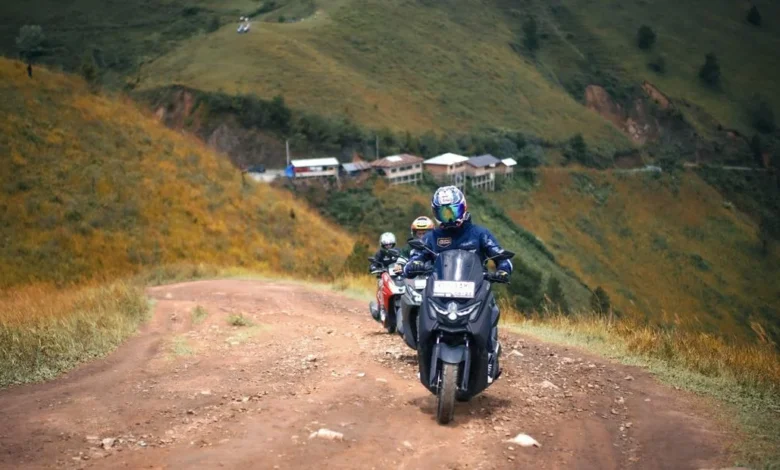
The Yamaha Nmax Turbo has successfully navigated a demanding 350-kilometer journey through the picturesque landscapes of North Sumatra as part of the Maxi Tour Boemi Nusantara 2026 event. This extensive test ride, traversing routes from Balige, circling Samosir Island, and embracing the scenic shores of Lake Toba, provided valuable insights into the scooter’s performance, particularly its fuel consumption.
During this significant long-distance test ride, the editorial team from detikOto recorded a fuel consumption figure of 35 kilometers per liter, as indicated on the instrument panel’s Multi-Information Display (MID). This figure has garnered considerable attention, especially when contrasted with results from other participants who reported achieving up to 42 kilometers per liter.
It is crucial to acknowledge that such variations in fuel efficiency are not uncommon and can be influenced by a multitude of factors. These include the rider’s individual riding style, the rider’s body weight, the prevailing road conditions, and even environmental factors such as ambient temperature and weather patterns. Yamaha’s advanced technology, coupled with rider input and external conditions, can lead to a spectrum of fuel economy outcomes.
Maxi Tour Boemi Nusantara: An Exploration of Landscape and Culture
The Maxi Tour Boemi Nusantara 2026 event is designed to be more than just a test of Yamaha’s flagship maxi-scooters. It serves as a comprehensive exploration, combining the thrill of riding with an immersive cultural experience. The opening leg of this particular tour focused on a 360-degree exploration of the Toba-Samosir region, commencing from Balige, proceeding through Tele, circumnavigating Samosir Island, and concluding in Parapat before returning to Balige.
This carefully curated route offered participants not only breathtaking views of iconic natural scenery but also an opportunity to delve into the rich and vibrant Batak culture, renowned for its exotic traditions, warm hospitality, and deep-rooted values. The juxtaposition of modern engineering with ancient cultural heritage underscores Yamaha’s commitment to connecting with the local fabric of the regions where its vehicles are ridden.
Navigating Diverse Terrains: A Test of the Nmax Turbo’s Capabilities
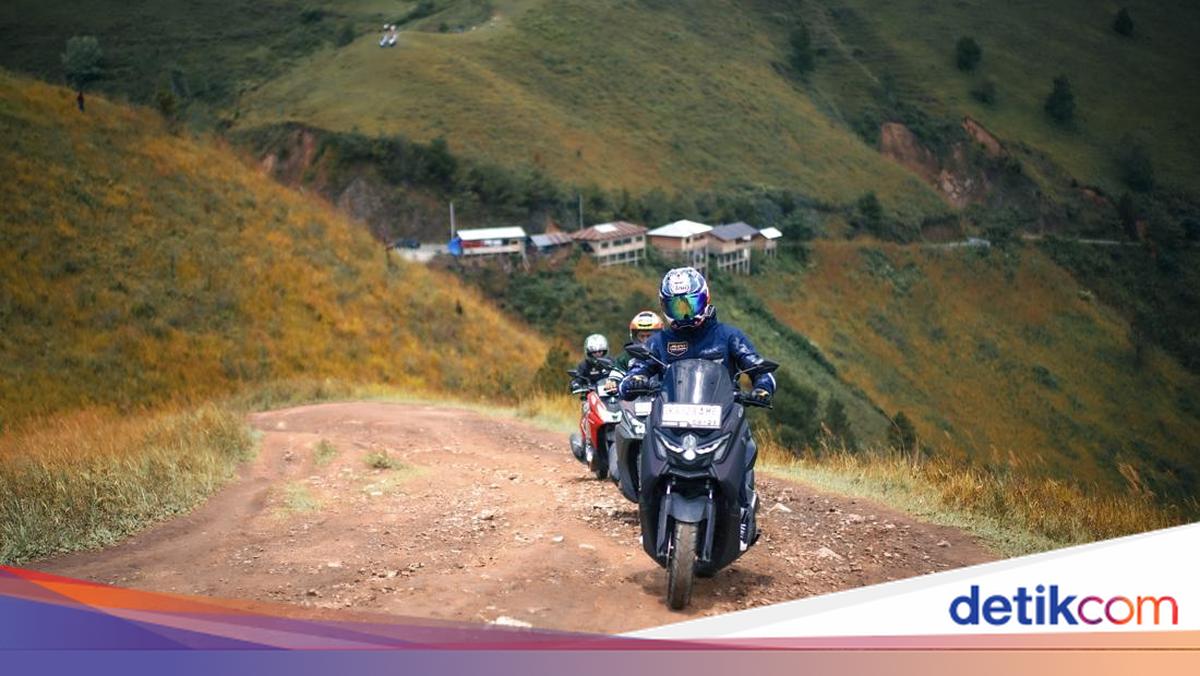
The road conditions encountered throughout the Toba-Samosir region presented a dynamic and challenging environment for testing the Yamaha Nmax Turbo’s capabilities. The route featured a combination of long, straight stretches ideal for sustained cruising, demanding steep ascents that tested the powertrain’s responsiveness, and technical descents requiring precise control. The winding, sinuous roads also provided an excellent arena for evaluating the scooter’s handling and the effectiveness of its various features.
The editorial team specifically focused on the Nmax Turbo equipped with Yamaha’s Electric Continuously Variable Transmission (YECVT) system. A significant portion of their riding was conducted in the Sport mode, activated via the Y-Shift button. This mode proved particularly effective in delivering responsive acceleration when tackling inclines. Furthermore, the YECVT system demonstrated a more pronounced deceleration effect, enhancing control and confidence when navigating corners and descending steep gradients.
Understanding the YECVT System and its Impact
The Yamaha Electric Continuously Variable Transmission (YECVT) represents a significant technological advancement in scooter design. Unlike traditional V-belt systems, YECVT utilizes electric motor assistance to manage gear ratios. This allows for smoother transitions between simulated gears and provides greater flexibility in optimizing engine performance for different riding conditions.
The Y-Shift function, integrated into the YECVT, offers riders the ability to manually influence the transmission’s behavior. In Sport mode, as observed during the Maxi Tour, engaging the Y-Shift can lead to quicker downshifts or a more aggressive power delivery, enhancing the riding experience, particularly in situations demanding rapid acceleration or precise engine braking. This adaptive capability allows the Nmax Turbo to cater to a wider range of rider preferences and environmental challenges.
Factors Influencing Fuel Consumption: A Deeper Dive
The reported fuel consumption of 35 km/liter by the detikOto editorial team, while lower than some other participants, is by no means indicative of poor performance. A detailed analysis of contributing factors is essential for a comprehensive understanding.
- Riding Style: Aggressive acceleration and braking, common in spirited riding or when frequently engaging Sport mode, will naturally consume more fuel than a more measured approach. The editorial team’s emphasis on testing the Y-Shift in Sport mode would have undoubtedly influenced this figure.
- Rider and Passenger Weight: The total weight of the rider and any luggage directly impacts the engine’s workload. A heavier load requires more energy to move, consequently increasing fuel consumption.
- Terrain and Road Conditions: Ascending steep gradients, as prevalent in the Toba-Samosir region, demands significantly more power and therefore fuel compared to riding on flat terrain. Similarly, frequent stops and starts due to traffic or road conditions can reduce overall efficiency.
- Environmental Factors: Riding in strong headwinds or at higher altitudes can also impact fuel economy. While the specific altitude of the Toba-Samosir region varies, it is generally at a higher elevation than coastal areas.
- Vehicle Load: The presence and weight of luggage, beyond the rider, will also contribute to increased fuel consumption.
- Tire Pressure: Incorrect tire pressure can lead to increased rolling resistance, thereby impacting fuel efficiency.
- Engine Temperature: While modern scooters are efficient, consistent operation within the optimal temperature range contributes to better fuel economy.
The reported 42 km/liter achieved by other participants likely reflects a more conservative riding style, potentially utilizing a different mode on the Y-Shift system or encountering less demanding terrain on their specific segments of the tour. Yamaha’s own stated fuel efficiency figures often represent an idealized scenario, achieved under controlled conditions.
Broader Implications for Yamaha and the Market
The Maxi Tour Boemi Nusantara serves as a crucial platform for Yamaha to showcase the real-world performance and versatility of its Nmax Turbo. By subjecting the scooter to such rigorous testing in diverse environments, the company gathers invaluable data that can inform future product development and marketing strategies.
The event also reinforces Yamaha’s position in the premium maxi-scooter segment. The Nmax Turbo, with its advanced YECVT technology and robust design, is positioned as a competitor to other high-end offerings in the market. Demonstrating its capability on challenging routes and highlighting its technological innovations helps to build consumer confidence and brand loyalty.
Furthermore, the integration of cultural experiences within the tour underscores a growing trend in the automotive industry to offer more than just a product. These events foster community among riders and create memorable experiences, contributing to a stronger emotional connection with the brand.
Yamaha’s Commitment to Innovation and Rider Experience
Yamaha’s consistent investment in research and development, exemplified by the YECVT system, highlights its dedication to pushing the boundaries of scooter technology. The goal is not only to enhance performance but also to improve rider comfort, safety, and overall experience.
The Maxi Tour Boemi Nusantara 2026, by incorporating extensive mileage and diverse riding conditions, provides a comprehensive validation of these technological advancements. The data collected from such tours is instrumental in fine-tuning the performance characteristics of future models and ensuring that Yamaha scooters remain at the forefront of innovation.
The success of the Yamaha Nmax Turbo in completing this demanding 350-kilometer tour is a testament to its engineering prowess and its suitability for a wide range of riding scenarios. The insights gained into its fuel efficiency, while variable, offer a realistic perspective for potential buyers, emphasizing the importance of riding style and external factors. As Yamaha continues to expand its presence and offerings, events like the Maxi Tour Boemi Nusantara will remain critical in showcasing its capabilities and fostering a deeper connection with its rider community.