Marvel Cinematic Universe Gears Up for a Pivotal 2026 with Ambitious Slate of Releases

2026 is poised to be a landmark year for the Marvel Cinematic Universe (MCU), a crucial phase that promises to reshape the narrative landscape following the intricate multiverse sagas. Marvel Studios is preparing to unveil a robust lineup of films and series, not only continuing the journeys of beloved iconic characters but also introducing new conflicts and figures set to profoundly influence the future trajectory of this expansive cinematic universe. This highly anticipated slate of 2026 Marvel releases has captivated fan attention, with many believing it will serve as a critical connective tissue leading into the next major saga, promising a narrative of unprecedented scale and ambition.
The comprehensive list of MCU projects scheduled for release in 2026, as meticulously gathered from various industry reports and official announcements, paints a picture of a studio strategically building towards its next evolutionary leap. This year is not just about delivering individual stories; it’s about weaving a tapestry of interconnected narratives that will define the MCU for years to come.
A Chronology of Cosmic and Street-Level Narratives: The 2026 MCU Release Schedule
Marvel’s 2026 calendar is a carefully curated mix of established fan favorites and exciting new ventures, designed to engage audiences across a spectrum of genres and storytelling styles.
January 2026: The Dawn of a New Hero with "Wonder Man"
Kicking off the year on January 27, 2026, is the Disney+ series "Wonder Man." Executive produced by Destin Daniel Cretton, known for his work on "Shang-Chi and the Legend of the Ten Rings," and with Andrew Guest serving as head writer, this series is set to introduce audiences to Simon Williams. In the comic book lore, Wonder Man is a character with deep ties to the Avengers and the synthetic being, Vision. His introduction is anticipated to have a significant ripple effect on the MCU’s future narrative development. Yahya Abdul-Mateen II is slated to portray the titular hero, with Ben Kingsley reprising his role as Trevor Slattery. Kingsley’s return, a character who previously provided a blend of comedic relief and unexpected depth, suggests a potential for bridging the gap between past MCU events and the unfolding new narratives. This casting choice, in particular, hints at a nuanced exploration of the character’s place within the MCU, potentially delving into his past exploits and his evolving understanding of heroism. The choice of Cretton to oversee the project further solidifies a commitment to quality storytelling and character-driven narratives, a hallmark of his previous MCU contributions.
March 2026: Legal Battles and Political Intrigue in "Daredevil: Born Again – Season 2"
Following the events of its critically acclaimed first season, "Daredevil: Born Again" is set to return for its second season on Disney+ in March 2026. Charlie Cox will once again don the mask as Matt Murdock, while Vincent D’Onofrio continues his formidable portrayal of Wilson Fisk, who has now ascended to the influential position of Mayor of New York City. This season is expected to delve deeper into the complex legal and ethical quandaries that define Daredevil’s world. The narrative will likely explore the intricate power dynamics within the city’s political landscape, as Fisk consolidates his influence. Furthermore, the personal toll of Matt Murdock’s life, particularly the emotional weight of significant losses, is anticipated to be a central theme. The presence of Fisk as the city’s mayor introduces a unique dynamic, blurring the lines between law and corruption and forcing Daredevil into increasingly precarious situations. The exploration of these themes is expected to resonate with audiences who appreciate grounded, character-focused storytelling within the superhero genre.
July 2026: A Fresh Start for the Web-Slinger in "Spider-Man: Brand New Day"
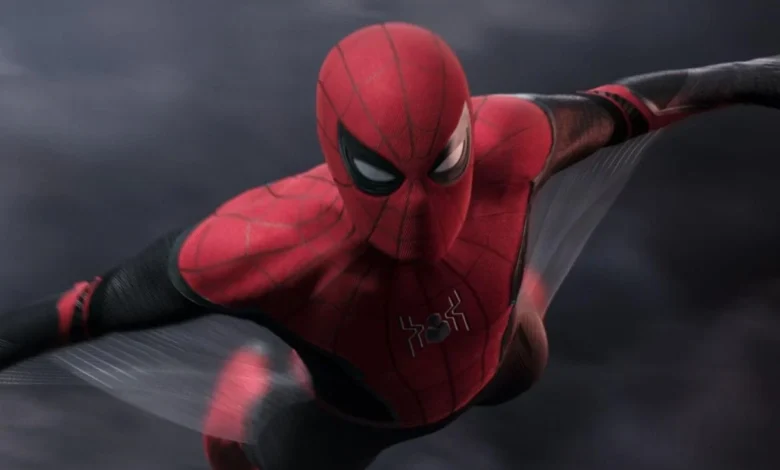
Scheduled for a theatrical release on July 31, 2026, "Spider-Man: Brand New Day" marks the fourth live-action MCU installment for the iconic web-slinger and will once again feature Tom Holland as Peter Parker. Destin Daniel Cretton is also set to direct this highly anticipated film, indicating a consistent creative vision guiding key MCU projects. While specific plot details remain under wraps, the film is widely expected to herald a new chapter for Spider-Man following the reality-altering events of "Spider-Man: No Way Home." Tom Holland himself has hinted at a script possessing significant emotional depth, promising a more mature and evolved portrayal of Peter Parker. This suggests a narrative that will not only address the lingering consequences of past events but also explore Peter’s growth as he navigates the complexities of his dual life. The title itself, "Brand New Day," strongly implies a sense of renewal and a departure from the immediate aftermath of the multiverse chaos, allowing for new challenges and character development.
Summer 2026: Animated Echoes of a Beloved Team in "X-Men ’97 – Season 2"
The immense success of its inaugural season has paved the way for "X-Men ’97" to return for a second season on Disney+ during the summer of 2026. This animated series continues to honor its 1990s roots by retaining the original voice cast, ensuring a seamless continuation of the story and preserving the cherished nostalgic appeal. Marvel has indicated plans to expand the scope of the mutant narrative, introducing more expansive conflicts while incorporating socially relevant themes that resonate with contemporary issues, all while remaining faithful to the distinctive spirit of the X-Men. The critical reception of the first season, which lauded its faithful adaptation and compelling storytelling, has set high expectations for this next chapter. The inclusion of the X-Men within the broader MCU framework, even in an animated capacity, signals a significant step towards integrating these iconic characters more formally into the Marvel tapestry.
Fall 2026: The Everyday Adventures Continue in "Your Friendly Neighborhood Spider-Man – Season 2"
Following a successful first season that introduced a host of beloved characters, the animated series "Your Friendly Neighborhood Spider-Man" is confirmed for its second season, slated for a fall 2026 release on Disney+. Marvel has also officially greenlit development for a third season, underscoring the significance of Peter Parker’s animated adventures within the evolving MCU narrative. This series, distinct from the live-action films, offers a more lighthearted and character-focused exploration of Spider-Man’s early days. Its continued development suggests that Marvel sees substantial value in this format for character exploration and world-building, providing a complementary narrative to the larger cinematic events.
A Multiversal Climax Looms: "Avengers: Doomsday"
Arguably one of the most anticipated films of 2026, "Avengers: Doomsday" is positioned as a monumental event, bringing together a vast array of Marvel’s most powerful factions. Wakanda, the Avengers, the New Avengers, the Fantastic Four, and the X-Men are all slated to unite in a desperate struggle against the formidable threat of Doctor Doom. In a surprising and highly buzzed-about casting decision, Robert Downey Jr., who is indelibly linked to his iconic portrayal of Tony Stark/Iron Man, is reportedly set to embody Doctor Doom. This casting choice alone has generated immense speculation and excitement. The film has already released four teaser trailers, each fueling considerable fan conjecture. The initial teaser offered a nostalgic glimpse of Steve Rogers’ return, while the second focused on Thor, suggesting his continued pivotal role. The third teaser highlighted the burgeoning presence of mutants, featuring Professor X, Magneto, and Cyclops prominently. The fourth teaser showcased Wakanda, with Shuri and M’Baku leading, alongside a brief appearance by Namor, and a fleeting glimpse of Ben Grimm from the Fantastic Four, further cementing the colossal scale of the narrative being constructed. The convergence of these disparate elements suggests an event of unprecedented magnitude, potentially serving as a definitive culmination of several ongoing storylines and character arcs. The strategic inclusion of Downey Jr. as the antagonist, a figure synonymous with heroism in the MCU, is a bold move that promises to add layers of complexity and emotional resonance to the conflict.
2026: A Quest for Identity in "Vision Quest"
Slated for a 2026 release on Disney+, "Vision Quest" is set to continue the narrative threads established in "WandaVision," with Paul Bettany reprising his role as the synthezoid hero. Terry Matalas will serve as the showrunner for the series. The series is anticipated to delve into Vision’s personal journey of self-discovery and his quest for identity in a post-"WandaVision" world. Furthermore, it is expected to explore potential connections to Wanda Maximoff’s fate and her ongoing role within the evolving MCU. This focus on Vision’s internal struggle and his potential interactions with other cosmic or mystical entities opens up new avenues for character exploration and narrative expansion. The series’ premise suggests a deeper dive into the philosophical underpinnings of Vision’s existence and his place in the universe, moving beyond his established relationships to explore his individual purpose.
A Darker Vigilante Returns: "The Punisher – Marvel TV Special"
Marvel is also preparing to unleash "The Punisher" in a "Special Presentation" format, scheduled to premiere on Disney+ in 2026. This project will see Jon Bernthal return as the formidable Frank Castle. Following the precedent set by "Werewolf by Night," this special is expected to embrace the darker, more brutal aspects of The Punisher’s character, exploring his inherent moral conflicts and his place within the increasingly complex MCU. This format allows for a more contained and focused narrative, enabling a deep dive into the character’s psyche and his relentless pursuit of justice. The inclusion of The Punisher in this manner suggests a strategic approach to incorporating more mature and grounded characters into the MCU, catering to a segment of the audience that appreciates gritty, anti-hero narratives.
Broader Implications: A Universe in Transition
The ambitious 2026 slate from Marvel Studios signifies a deliberate and strategic pivot in the MCU’s overarching narrative. After the multiverse-centric sagas of the preceding years, this year’s releases appear designed to consolidate disparate plotlines, introduce a new generation of impactful characters, and set the stage for future cosmic and terrestrial conflicts. The introduction of the X-Men and Fantastic Four into the mainstream MCU narrative, alongside the continued exploration of street-level heroes like Daredevil and The Punisher, signals a broadening of the universe’s scope.
The strategic deployment of both animated and live-action projects, alongside limited series and special presentations, demonstrates a multi-pronged approach to storytelling. This allows Marvel to cater to diverse audience preferences while ensuring a cohesive and interconnected universe. The emphasis on character-driven narratives, as evidenced by "Wonder Man," "Daredevil: Born Again," and "Vision Quest," suggests a continued commitment to exploring the human element within extraordinary circumstances, a key factor in the MCU’s enduring appeal.
The potential return of iconic actors in new or reprised roles, most notably Robert Downey Jr.’s rumored appearance as Doctor Doom, underscores a strategy of blending legacy with innovation. This approach leverages the immense goodwill and nostalgia associated with past characters while simultaneously pushing the narrative into uncharted territories.
As Marvel Studios navigates this critical juncture, the 2026 release schedule stands as a testament to its ongoing ambition and its commitment to evolving the cinematic universe. The coming year promises to be a period of significant transformation, laying the groundwork for an even more expansive and thrilling future for the MCU. The careful orchestration of these diverse projects indicates a clear vision for the next phase of Marvel storytelling, one that is poised to captivate audiences and redefine superhero cinema once again. The integration of established fan-favorite characters with the introduction of new threats and allies suggests a universe that is both familiar and constantly reinventing itself, ensuring its continued relevance and appeal in the years to come.