President Prabowo Subianto Expresses Pride in Indonesian-Made TNI Vehicles, Highlighting National Industry Development

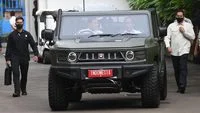
President Prabowo Subianto has voiced his strong satisfaction with the Indonesian National Armed Forces (TNI) adopting the domestically produced Maung jeep as an operational vehicle. This decision, he emphasized, underscores a strategic commitment to bolstering the nation’s automotive industry, even when faced with the initial higher costs compared to imported alternatives. The sentiment was conveyed during his address at the TNI’s Harvest Festival in Support of Food Security Programs at Abdulrachman Saleh Airbase in Malang, East Java, on Friday, July 17th.
The genesis of the Maung’s integration into the TNI’s fleet dates back to Prabowo’s tenure as Minister of Defense. He recounted a pivotal moment when presented with vehicle options by the TNI. "I was presented with options, ‘Sir, this jeep is good, Sir, it’s cheap, foreign-made. This one is Indonesian-made but expensive, Sir, because we are just starting.’ Well, if I choose this cheaper jeep, when will Indonesia have its own jeep?" Prabowo stated, as quoted by Antara news agency on the same day. This introspective question framed his subsequent decision.
A Strategic Investment in National Defense Industry
Choosing the Maung, despite its higher initial price tag, was a deliberate strategic move by Prabowo. He articulated this as a crucial investment in nurturing the capabilities of Indonesia’s defense industry and its broader manufacturing sector. "So, I chose the one that’s a bit more expensive but made by our own Indonesian children, namely the Maung. Which our officers are now using. Our officers are using the Maung," he explained. This perspective highlights a long-term vision that prioritizes self-reliance and the cultivation of domestic expertise over immediate cost savings.
The Maung is a tactical vehicle manufactured by PT Pindad, a state-owned defense company. Data from the Cabinet Secretariat, as previously reported, indicates that over 3,200 units of the Maung had been produced by May 2026. President Prabowo himself has been seen utilizing the Maung since assuming office on October 20, 2024, further cementing its role as a symbol of national pride and capability within the highest echelons of government and the military.
Expanding the Reach: From Officers to Grassroots Personnel
The integration of domestically produced vehicles within the TNI is not limited to high-ranking officers. Prabowo revealed that the utilization of national products is being progressively expanded across various levels of the armed forces. He noted that a number of "Danramil" (Komandan Rayon Militer or Military District Commander) have begun using the Maung as their official duty vehicles. This signifies a broader adoption across command structures.
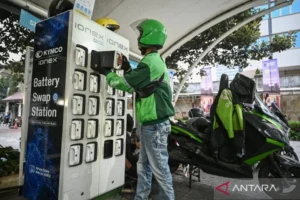
Furthermore, to support the operational duties of "Babinsa" (Bintara Pembina Desa or Village Guidance Non-Commissioned Officers), who are instrumental in grassroots community engagement and security, the TNI is introducing electric motorcycles as their operational transport. "I heard Danramil are already using jeeps too, right? They look imposing. Well, it can’t all happen at once. Babinsa have started receiving motorcycles, electric motorcycles," Prabowo remarked, indicating a phased yet comprehensive approach to modernizing military transport.
The Dawn of the Indonesian Electric Motorcycle
In the same address, President Prabowo unveiled another significant development: Indonesia is on the cusp of launching its own national electric motorcycle. The official rollout is anticipated within the coming weeks. "Soon, we will have a national motorcycle. I will be launching a national electric motorcycle in a few weeks," he announced.
This initiative is envisioned to extend beyond military or official use, with the government aiming for widespread adoption by the general public, including farmers, as a more efficient and affordable mode of transportation. The development of these national vehicles is presented as a tangible manifestation of the government’s optimism and commitment to enhancing the domestic industrial landscape.
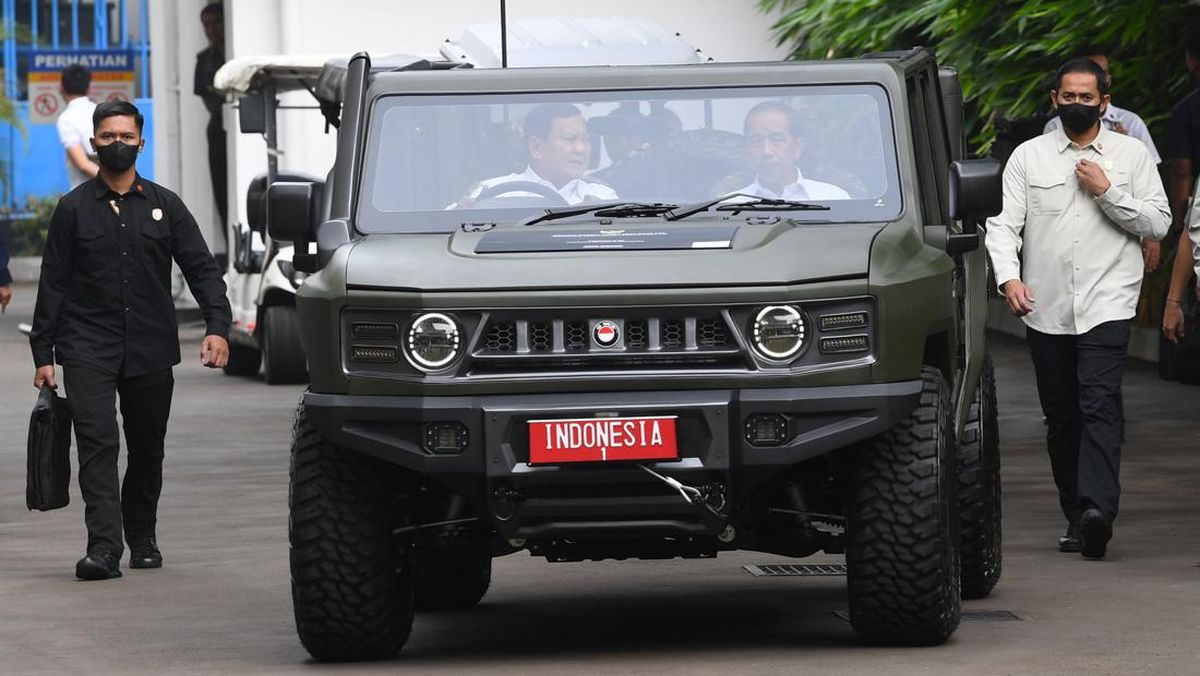
Prabowo reiterated his personal pride whenever he observes the Maung being utilized across different regions of Indonesia. This visual confirmation, for him, serves as a potent testament to the ingenuity and capability of Indonesian citizens in producing their own vehicles. "So now, when you see jeeps in the cities, I feel proud too. The TNI is now using its own jeeps," he concluded, underscoring the emotional and nationalistic significance of this industrial achievement.
Context and Broader Implications
The strategic push towards domestically produced defense equipment and other national vehicles is part of a larger, multi-faceted government agenda aimed at fostering economic independence and strengthening national security. For decades, Indonesia has relied heavily on imported defense hardware, a practice that not only drains foreign exchange reserves but also creates vulnerabilities in supply chains and maintenance.
The Maung jeep, developed by PT Pindad, represents a significant step towards reducing this dependency. PT Pindad, established in 1971, has a long history of producing military equipment, including small arms, ammunition, and armored vehicles. The Maung, with its reported production exceeding 3,200 units, signifies a scaled-up effort in vehicle manufacturing. Its adoption by the TNI indicates a successful validation of its performance and suitability for military operations.
The initial higher cost of the Maung, as acknowledged by President Prabowo, is a common challenge faced by nascent domestic manufacturing industries. This often stems from economies of scale, less mature production processes, and the need for initial investment in research and development. By prioritizing the Maung over cheaper imported alternatives, the government is essentially investing in the future growth and competitiveness of Indonesia’s automotive and defense sectors. This approach is mirrored in the development of the national electric motorcycle, aiming to capture a growing global market and reduce reliance on imported electric vehicles.
Supporting Data and Production Figures
While specific performance metrics of the Maung are not detailed in the provided text, its designation as a tactical vehicle suggests it is designed for rugged terrain and operational demands. Production figures provide a tangible measure of its integration. The reported over 3,200 units produced by May 2026 indicate a substantial commitment from PT Pindad and the TNI. This volume suggests that the Maung is not merely a token vehicle but is being deployed across a significant portion of the TNI’s operational needs.
The introduction of electric motorcycles for Babinsa also aligns with global trends towards sustainable transportation and technological advancement. While specific models and manufacturers for these electric motorcycles are not yet detailed, their deployment signifies a modernization effort that considers both operational efficiency and environmental impact.
Broader Impact and Analysis
The implications of President Prabowo’s statements and the TNI’s adoption of Indonesian-made vehicles are far-reaching:
- Economic Stimulus: Increased domestic production creates jobs, supports local suppliers, and generates economic activity within Indonesia. This contributes to national GDP and can help diversify the economy.
- Technological Advancement: The push for national vehicles drives innovation in design, engineering, and manufacturing processes. This can lead to spillover effects into other industries.
- National Security and Self-Reliance: Reducing reliance on foreign suppliers for critical military equipment enhances national security. It provides greater control over the supply chain and reduces vulnerability to geopolitical pressures.
- Industrial Ecosystem Development: The success of products like the Maung can catalyze the growth of a robust domestic industrial ecosystem, including component manufacturers, research institutions, and skilled labor.
- Symbol of National Pride: The visible use of Indonesian-made vehicles by the military and potentially by the public serves as a powerful symbol of national achievement and self-sufficiency.
The phased approach, starting with officers and expanding to grassroots personnel, suggests a pragmatic strategy to manage costs and ensure the successful integration of new technologies and vehicles. The acknowledgment of initial higher costs and the commitment to long-term investment signal a mature understanding of industrial development challenges. This strategy, if consistently pursued, could position Indonesia as a more significant player in the global automotive and defense manufacturing landscape. The success of these initiatives will likely be measured not only in production numbers but also in the sustained growth and competitiveness of Indonesia’s domestic industries.