Jakarta State University Sees Record Growth in Disability Admissions as Inclusive Education Becomes a Strategic Priority

Universitas Negeri Jakarta (UNJ) has recorded a significant milestone in its ongoing commitment to inclusive education, reporting a consistent upward trend in the number of applicants for its Independent Admission Path for Students with Disabilities (Penmaba Mandiri Jalur Disabilitas). For the 2026 academic cycle, the university saw participation rise to 138 applicants, marking a 9.6 percent increase from the 125 participants recorded in 2025. This growth highlights a burgeoning demand for accessible higher education in Indonesia and reflects a deepening public trust in the institutional capacity of UNJ to provide specialized support for students with diverse needs.
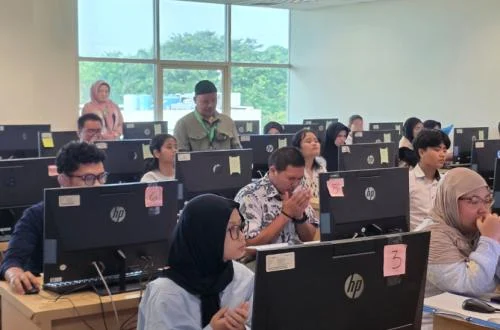
The selection process for the 2026 intake was conducted in person at the Dewi Sartika Building on the UNJ campus on Saturday, July 18, 2026. The atmosphere at the venue was one of focused academic rigor tempered by a comprehensive support infrastructure designed to level the playing field for all candidates. As the university continues to position itself as a pioneer in inclusive pedagogy, the steady rise in applicant numbers serves as a critical indicator of the shifting landscape of Indonesian higher education, where disability is increasingly viewed through the lens of diversity and potential rather than limitation.
Analyzing the 2026 Admission Data and Trends
The 9.6 percent year-on-year growth is not merely a statistical anomaly but the result of sustained outreach and the implementation of more robust support systems. According to I Wayan Sugita, the Head of the UNJ Admissions Office, this increase is a dual testament to the aspirations of the disabled community and the university’s evolving reputation. Sugita noted that the rising numbers demonstrate that more individuals with disabilities are not only interested in pursuing higher degrees but specifically view UNJ as a primary destination for their academic journeys.
A closer look at the data reveals specific areas of interest among the 138 applicants. Three faculties emerged as the most sought-after destinations for this cohort: the Faculty of Engineering, the Faculty of Education, and the Faculty of Languages and Arts. Within these faculties, the Applied Bachelor’s Program (Sarjana Terapan) in Culinary Arts and Food Service Management stood out as the program with the highest number of applicants.
The popularity of the Culinary Arts and Food Service Management program suggests a strategic choice by students to enter vocational fields that offer tangible pathways to entrepreneurship and employment. Experts in inclusive education suggest that such trends often reflect a desire for practical skills that can bypass some of the traditional barriers found in the corporate labor market. By choosing UNJ’s Faculty of Engineering—which houses the culinary program—these students are positioning themselves in sectors where technical proficiency and creativity are the primary currencies of success.
Operational Excellence: The Role of REDIS and Specialized Support
To facilitate a fair and accessible testing environment, UNJ deployed a sophisticated network of logistical and psychological support. Central to this effort was the UNJ Disability Volunteers (Relawan Disabilitas UNJ, known as REDIS). For the 2026 selection process, REDIS mobilized 65 volunteers drawn from various academic years and programs across the university.
Prila Ahdanila, the Coordinator of REDIS for the Penmaba Disabilitas, explained that the support process began long before the examination day. The team conducted a comprehensive mapping of the applicants’ needs based on data provided by the Admissions Office. This allowed for a personalized approach to assistance, ensuring that every candidate—whether they lived with visual impairments, hearing loss, autism, or Attention-Deficit/Hyperactivity Disorder (ADHD)—received the specific accommodations required to navigate the campus and the examination materials.
On the day of the exam, the logistics were meticulously managed:
- Visual Impairment Support: Volunteers provided sighted guidance, assisting candidates from their arrival on campus to their designated seats in the examination hall.
- Neurodiversity Accommodations: For candidates with autism and ADHD, the volunteers provided a calming presence and environmental navigation to minimize sensory overload, ensuring the testing environment remained conducive to their specific cognitive needs.
- Hearing Impairments: The university stationed professional sign language interpreters in the examination rooms. These interpreters played a vital role in communicating instructions from the proctors and ensuring that candidates with hearing impairments were fully informed of the procedural requirements of the test.
This infrastructure is part of a broader institutional shift toward "Universal Design for Learning" (UDL), an educational framework that aims to optimize teaching and learning for all people based on scientific insights into how humans learn.
Institutional Philosophy and the Right to Education
The Independent Admission Path for Students with Disabilities is rooted in a constitutional mandate. Vice Rector for Academic, Student, and Alumni Affairs, Ifan Iskandar, emphasized that this initiative is a core component of the university’s mission to ensure that every citizen, regardless of physical or cognitive condition, has an equal opportunity to access higher education.
"UNJ is committed to ensuring that every prospective student has an equal opportunity to demonstrate their academic potential," Professor Ifan stated during the event. He further explained that the university’s focus is not just on the point of entry but on creating a sustainable ecosystem where these students can thrive once they are enrolled. This includes ongoing physical accessibility audits of campus buildings and the continuous training of faculty members in inclusive teaching methodologies.
The university’s approach aligns with Indonesia’s Law No. 8 of 2016 concerning Persons with Disabilities, which mandates that the government and educational institutions provide "reasonable accommodation" for students with disabilities. By exceeding the minimum requirements and fostering a culture of volunteerism through REDIS, UNJ is setting a benchmark for other State Universities (PTN) across the archipelago.
The Rector’s Assessment: Moving Toward Assessment Equity
While the 2026 selection process was deemed a logistical success, UNJ Rector Komarudin provided a critical perspective on the future of the program. During his inspection of the examination process at the Dewi Sartika Building, he praised the dedication of the volunteers and the smooth execution of the day’s events. However, he raised important questions regarding the nature of the assessment itself.
Rector Komarudin noted that if the examination questions remain identical to those used in the regular admission paths, there must be a corresponding adjustment in the evaluation criteria. "If the questions are the same as the regular path, then there needs to be adjustments in the grading criteria to ensure the selection process is truly fair," he remarked.
This observation touches on a complex debate within the global academic community: the tension between standardized testing and equitable assessment. Advocates for disability rights argue that standardized tests often measure a student’s ability to navigate the format of the test rather than their actual academic potential or subject matter expertise. Komarudin’s call for a review of assessment criteria suggests that UNJ may soon move toward more nuanced evaluation models, such as portfolio-based assessments or modified testing formats that account for the diverse ways in which students process information.
The Broader Impact: From Education to the Workforce
The success of UNJ’s inclusive admission path has implications that extend far beyond the campus gates. As more students with disabilities graduate from high-ranking institutions like UNJ, the Indonesian workforce stands to benefit from a more diverse pool of talent.
Historically, persons with disabilities in Indonesia have faced significant hurdles in securing formal employment, often relegated to the informal sector or low-skilled positions. However, with the rise of graduates in fields like Engineering, Culinary Arts, and Education, this narrative is beginning to change. By providing high-quality vocational and academic training, UNJ is empowering a new generation of professionals who can contribute to the national economy and challenge social stigmas.
Furthermore, the presence of students with disabilities on campus fosters a more empathetic and socially aware student body. The 65 volunteers of REDIS, for instance, gain invaluable experience in advocacy and social service—skills that are highly transferable to any professional environment. This interaction helps to dismantle the barriers of "otherness" that often isolate the disabled community.
Chronology of Progress: A Five-Year Outlook
To understand the significance of the 138 participants in 2026, it is helpful to look at the timeline of UNJ’s inclusive initiatives:
- 2022-2023: UNJ began formalizing the REDIS volunteer program, moving from an ad-hoc support system to a structured organization with specialized training for students.
- 2024: The university expanded its sign language interpreter services and began integrating digital accessibility tools for the computer-based portions of the Penmaba exams.
- 2025: Enrollment for the disability path reached 125 students, prompting the university to increase the budget for assistive technologies and classroom modifications.
- 2026: The record high of 138 applicants was reached, accompanied by a call from the Rector to re-evaluate the pedagogical fairness of the entrance exams.
This chronology suggests that UNJ is in a phase of rapid scaling. The challenge for the coming years will be to ensure that the quality of support keeps pace with the quantity of students. This will require continued investment in infrastructure, such as elevators, tactile paving, and screen-reading software for library resources.
Conclusion: A Model for National Inclusivity
The 2026 Penmaba Mandiri Jalur Disabilitas at Universitas Negeri Jakarta stands as a beacon of progress for the Indonesian education system. The 9.6 percent increase in participation is a clear signal that the barriers to higher education are slowly being dismantled through a combination of institutional will, volunteer dedication, and a clear-eyed recognition of the rights of all citizens.
As Rector Komarudin and his administration look toward the future, the focus will likely shift from "access" to "equity." While getting students through the door is the first step, ensuring they have a fair chance to succeed—through modified assessments and inclusive curricula—is the ultimate goal. UNJ’s journey serves as a reminder that a truly world-class university is defined not just by its research output or its rankings, but by its ability to open its doors to the full spectrum of human potential.
With the continued growth of programs like REDIS and the potential for revised assessment criteria, UNJ is not just educating students; it is reshaping the social fabric of the nation, one inclusive admission at a time. The 138 individuals who sat for their exams on July 18 are more than just applicants; they are the pioneers of a more equitable Indonesia.